Why Repointing Matters More Than Most Homeowners Realise
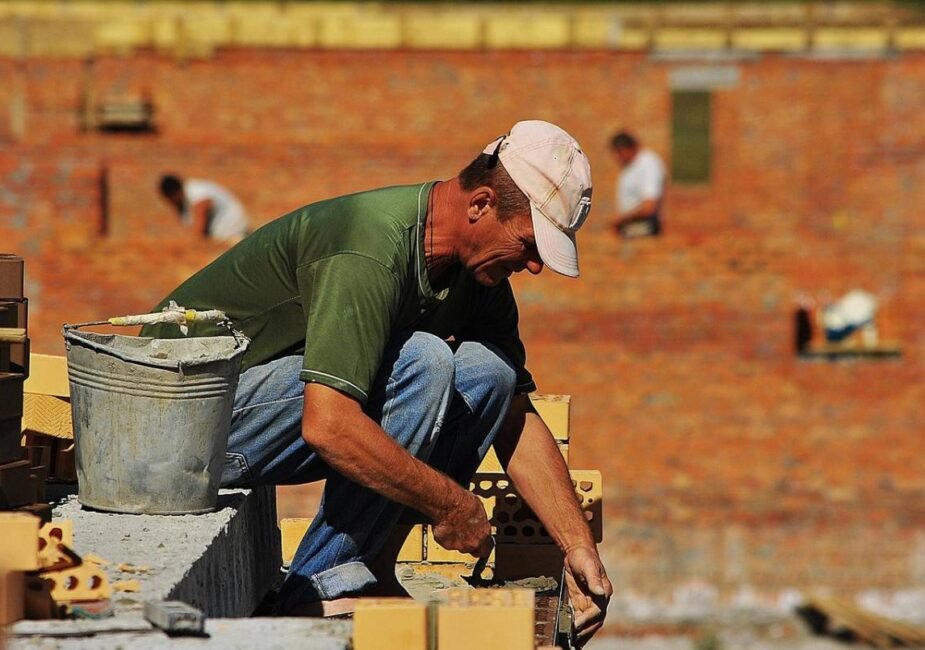
Homeowners pour thousands into renovating the inside of their home. Kitchens. Fresh coats of paint. Updated bathrooms.
What about the one thing protecting their home from the outside in?
Ah yes. Totally forgotten.
Repointing is hardly sexy. But it is something.
Ignoring it is a big mistake.
What You’ll Learn:
- What Is Repointing?
- How Long Does Mortar Actually Last?
- The Dangers of Failing Mortar Joints
- How to Spot a Professional Repointing Contractor
- Signs You Need Repointing on Your Home
- Choosing the Right Contractor
What Is Repointing?
If you’ve never heard of repointing before, here’s what it is.
Essentially, repointing is the process of removing old, deteriorated mortar from between brick joints and replacing it with new mortar.
Simple enough.
But the thing people overlook with repointing… is that it’s far more important than simply making a home look better. Keeping walls weatherproof and dry starts with healthy mortar joints. The damage isn’t noticed until it’s too late and water starts penetrating the brickwork.
How Long Does Mortar Actually Last?
Here’s a fun fact.
Mortar is only designed to last 25 to 50 years. The bricks a home is built from? Often last more than double that lifespan.
Hold up.
That means that over time, the mortar WILL need replacing. Whether it’s through weather deterioration, ground movement or even just rain. Once years of exposure have taken their toll and visible signs of damage show, chances are the mortar has been weakened long before it becomes obvious.
The Dangers of Failing Mortar Joints
But wait, there’s more.
Cracked or crumbling mortar lets water into wall cavities. Water in the walls equals:
- Damp spots and rising damp inside the home
- Mould, which can become a serious health hazard over time
- Structural weakening of bricks from the inside out
- Individual bricks start to crack, break away, or “spall”
- Costly restoration work in the future
Oh yeah… about that restoration work.
Restoring brickwork can cost homeowners anywhere from $5,000 to $35,000! Factor in the size of a home and how far the water damage has spread. Repointing damaged mortar? Significant cost savings.
The moral of the story? Don’t wait until bricks are visibly failing.
Deal with repointing problems as soon as possible with the help of a professional contractor. It’s the smarter financial decision.
How to Spot a Professional Repointing Contractor
Let’s say repointing needs to get done. How do you know the right contractor is being chosen?
Simply put; not all repointing is created equal.
As mentioned earlier, doing a poor repointing job can be just as detrimental to a home as not doing it at all. Applying mortar that’s too strong actually damages the brick itself — causing cracks and spalling.
The opposite of that is what’s needed.
A professional repointing contractor knows the right mortar mix to use. Not only will they understand how to apply it without damaging existing bricks, they’ll also ensure the right type is used based on the specific brick type of the home. When looking for brickwork services, knowing how different mortar mixes interact with different bricks can mean the difference between a job that lasts five years and one that lasts fifty.
It costs more to fix bad repointing work.
Expect the same level of diligence when examining why the mortar is failing. Whether it’s overflowing gutters, rising damp or even building settlement; the right contractor will know how to identify the root cause of the problem before beginning work. They’ll also fix the issue instead of just “putting a bandaid on it” by repointing.
Signs You Need Repointing on Your Home
Think the home could benefit from repointing? Look for these signs.
Take a walk around the outside of the property. Look at the brickwork closely and examine the mortar joints. Does the mortar crumble under slight pressure? Can a screwdriver push in easily? If so, the mortar has already gone too far.
Other things to look out for include:
- Cracked or missing mortar around brick joints
- White, powdery substance on bricks (efflorescence)
- Damp spots or water staining on walls inside the home
- Brickwork that looks chipped or flaky, or bricks that feel loose when touched
- Gaps appearing between the bricks and the mortar
See one of these issues? Grab the phone and give a professional repointing contractor a call.
Don’t wait for multiple signs to show up. The damage has likely already spread through the brickwork by then and will only get more expensive.
Choosing the Right Contractor
Now to the most important stuff.
How do you know who to actually hire?
Ask them these questions.
- Have they worked on similar brickwork before? Old homes and heritage homes require special mortar mixes compared to new build properties. Know the difference.
- Do they inspect the problem before handing out a quote? Any reliable repointing professional will want to take a look at what the mortar currently looks like, why it’s deteriorating and the extent of the damage. No one will know this until they take a look themselves.
- Can they colour match the mortar? There’s nothing worse than brand new mortar sticking out like a sore thumb against the existing brick. A good contractor will match, or closely replicate, the existing finish.
- Will they repoint over the cause of the issue? This circles back to question one. If guttering is overflowing, or there’s rising damp — that needs fixing first. A contractor willing to “repoint over the problem” is not the right choice.
- Are they insured? Always ask for proof. Repointing isn’t a simple hammer and bucket job. They’ll be working off ladders and fixing structural damage. If they’re not insured, find someone who is.
Pro tip: On older homes or heritage properties, ask them to repoint a small section first. Not only does this allow workmanship to be assessed, it also ensures the mortar colour matches before committing to the entire project.
Wrap Up
Think repointing is overrated?
Think again.
When it comes to maintaining a home, repointing is one of the most important things that can be done.
Why?
- Mortar isn’t meant to last as long as bricks. Don’t let them fail together.
- Letting mortar fail will cause water penetration. Water equals costs no homeowner needs.
- Poor repointing damages brick. More costs.
- The longer it’s ignored, the more it will cost to fix.
- A professional repointing contractor is non-negotiable for structural or large-scale work.
Walk around the outside of the home. Take a look at the brickwork. See anything that doesn’t look right?
Call a pro.
Last modified: March 9, 2026