Winter Home Woes: What Can Go Wrong and How to Stay Ahead of It
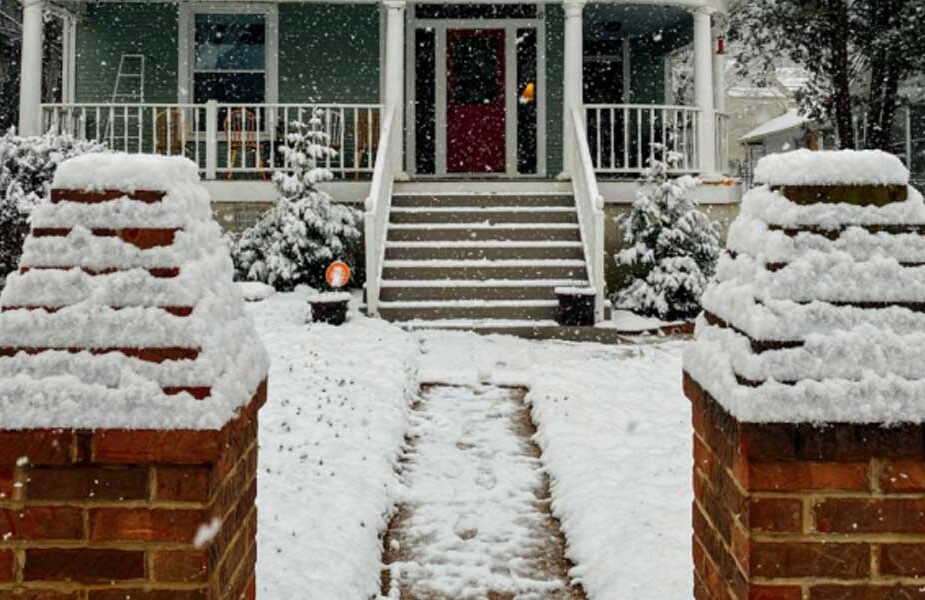
Winter has a way of changing how you see your home. The season starts to feel less magical and more demanding once winter problems make their way in.
And, even though you might be living in a great place like Windsor, CO, with its safe neighborhoods, a strong local economy, and a low cost of living, you can’t escape the frosty winters.
So what can actually go wrong when the temperature drops? And more importantly, how do you stay ahead of it instead of reacting when something breaks?
That’s exactly what we’re diving into here.
Stay Ahead of Plumbing Emergencies
Pipes freeze when temperatures drop low enough for long enough. Water expands as it freezes, and that pressure can split a pipe open. The real trouble often starts when the ice thaws and water pours into walls or floors.
So what can you do? Start simple. Insulate exposed pipes, especially those near exterior walls or in basements. During extreme cold, let faucets drip slightly (moving water resists freezing). Open cabinet doors under sinks so warm air can circulate.
Suspect a frozen pipe? Shut off the main water supply ASAP! Use a hair dryer to apply heat (don’t use an open flame). And if you discover water damage from a burst pipe, don’t delay repairs. Remove excess water if you can do so safely. Then contact professionals right away. For water damage restoration Windsor CO has emergency service providers who respond quickly. Make sure you contact them promptly before the damage increases. Water can weaken structural materials, damage flooring, and lead to mold growth if left untreated.
Protect Your Roof Before Snow Piles Up
Your roof does a lot more than you think, especially in winter. It stands there quietly while snow stacks up, ice forms along the edges, and freezing winds test every shingle. You may not notice a problem right away. That’s what makes it tricky.
Have you looked at your roof lately? Even a small weak spot can turn into a leak once heavy snow starts to melt and refreeze. Water finds the tiniest gaps. Once it slips in, it spreads fast.
Before the first big storm, clear out your gutters. Leaves and debris block proper drainage, which encourages ice buildup. Ice dams often form when heat escapes from the attic and melts snow unevenly. That melted snow refreezes near the roof’s edge and traps water behind it. Good insulation and ventilation help prevent that cycle.
Check and Service Your Heating System
Winter comfort depends on one thing: a heating system that works when you need it most. And it works hard during cold months. That constant demand can expose hidden issues. So first, you need to answer this question: When was the last time you changed the filter? Has it been some time? A whole season, perhaps? A clogged filter restricts airflow and strains the system. That strain shortens its lifespan and increases energy costs.
Therefore, the solution is simple here. Replace filters on schedule. It’s one of the easiest maintenance steps you can take.
Moreover, listen to your system. Does it make unusual sounds? Do certain rooms feel colder than others? Uneven heating often signals a problem with airflow or ductwork. Schedule a professional tune-up before winter hits full force. A technician can inspect components, clean parts, and catch minor issues before they turn into breakdowns.
Drafty Windows and Doors? Seal Them!
Have you ever walked past a window and felt a sudden chill? That subtle draft might seem harmless, but it’s not a treat for your heating system. It has to work more than it should. Cold air slips through worn weatherstripping and cracked caulk. Over time, those tiny openings widen. Warm air escapes. Your energy bill rises.
Run your hand along window frames and door edges. Feel air moving? Replace weatherstripping and reapply caulk where needed. Install door sweeps at the base of exterior doors. These fixes don’t take much time, yet they make a noticeable difference.
Ice Dams and Gutter Blockages: Prevention Tips
Ice dams form quietly. Snow melts during the day, then refreezes overnight near the roof’s edge. That ice buildup blocks proper drainage. Water backs up under shingles. The solution starts with clean gutters. Remove leaves and debris before winter sets in. Water needs a clear path to flow away from the roof.
Next, check attic insulation. Warm air escaping upward causes uneven melting. Proper insulation keeps roof temperatures consistent and reduces the risk of ice formation.
If you notice thick icicles hanging from the roofline, treat that as a warning. They often signal poor ventilation or insulation problems. Addressing the root cause early prevents interior water damage later.
Watch for Foundation and Exterior Cracks
Winter doesn’t just test your roof and pipes. It tests the very base of your home. When temperatures swing between freezing nights and slightly warmer days, materials expand and contract. And that movement can widen even the smallest crack.
Have you walked around your home recently and really looked at the exterior walls or foundation? Hairline cracks might not seem urgent. But once water seeps in and freezes, those cracks can grow.
Pay attention to gaps near window frames, doors, and where siding meets masonry. Seal small openings early. Make sure downspouts push water several feet away from the foundation. You don’t need to panic over every tiny line you see. But you shouldn’t ignore them either. Early repairs are manageable. Structural repairs later? That’s a different story.
Maintain Your Water Heater
Winter puts your water heater under pressure. Showers get hotter. Laundry runs more often. Dishwashers work overtime. The demand rises quietly, but steadily.
When was the last time you flushed the tank? When sediment builds up at the bottom, it reduces efficiency and forces the heater to work harder. Flushing it once a year helps extend its lifespan.
Listen for popping or rumbling sounds. Notice inconsistent water temperatures? Those are signs your system needs attention.
Also, check for rust around connections or small leaks near the base. Even minor drips can signal larger issues inside the tank. A failing water heater rarely chooses a convenient time to quit. It often fails when you need it most.
Winter doesn’t have to feel like a season of constant repairs. This article has covered some of the most common trouble spots. The real question is simple: will you wait for something to fail, or will you stay ahead of it?
A home that gets steady attention handles winter far better. And when the snow starts falling outside, there’s something comforting about knowing you’ve already taken care of what matters most.
Last modified: February 26, 2026