How to Handle HVAC Emergencies When the System Stops Unexpectedly
Modern homes depend on climate control systems to maintain a pleasant indoor atmosphere throughout the year. Sudden equipment failure disrupts daily comfort and creates immediate stress for every occupant in the house. A systematic approach helps resolve these mechanical issues without unnecessary panic or delay. This article outlines the best practices for the management of sudden furnace or air conditioner malfunctions.
Initial System Assessment
Power supply issues cause the sudden stop of climate control units. A simple flip of a switch restores function if an electrical surge caused the shutdown. Professional HVAC repair services become necessary if the breaker continues to trip after several reset attempts. The thermostat also requires a battery check to ensure it sends signals to the unit properly. Dirt or dust inside the device can block sensors and lead to total system failure.
Air Filter and Airflow Inspection
Blockages in the ventilation path lead to automatic safety shutdowns. A clogged filter restricts the air volume and causes the motor to overheat rapidly. Homeowners should inspect the filter for debris or dust buildup that hinders performance.
The following list details items to check for better airflow:
- The filter surface must stay clean and free of thick grey dust.
- Vent covers in every room should remain in the open position.
- Furniture or curtains must not block the return air intake.
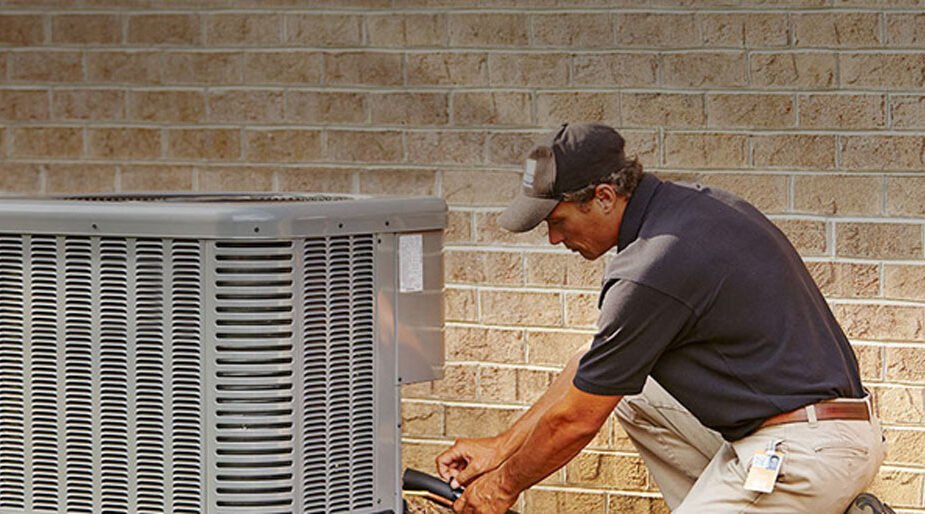
- Outdoor condenser units need a clear space from bushes or trash.
Condensate Drain Line Clearance
Water backup in the drain line triggers a float switch that kills all power to the machine. This safety feature prevents water damage to the floors and ceilings of the residence. Algae or slime clogs the PVC pipes during periods of heavy use. A vacuum can sometimes clear the blockage and allow the system to restart immediately. If the pan remains full of water, the switch stays open and prevents operation. Clear lines ensure that the moisture from the air exits the home correctly.
Professional Diagnostic Requirements
Complex mechanical failures involving the compressor or motor require specialized tools and knowledge. Expert HVAC repair technicians possess the gear to measure refrigerant levels and electrical resistance safely. Internal components like capacitors or contactors fail due to age and wear. A professional identifies these faulty parts and provides a reliable fix for the system. Homeowners should observe the unit for unusual sounds or smells before the technician arrives. The following list identifies signs of internal component trouble:
- Loud metallic screeches indicate a failure in the blower motor.
- Rapid clicks suggest an electrical issue with the start capacitor.
- A hum without fan movement points to a seized motor.
- Acrid scents mean a wire or a board burned out.
Safety Switch and Reset Procedures
Many units feature a manual reset button located near the outdoor condenser or the indoor furnace. This button pops out when the internal sensors detect a spike in temperature or pressure. A single press might restore the connection and allow the cycle to continue as normal.
However, a system that requires constant resets indicates a serious underlying defect. Continuous operation under these conditions leads to more extensive damage over time. Careful observation of the unit’s behavior helps in communicating the problem to a specialist.
Prompt action and methodical checks resolve many climate control emergencies before they escalate. A homeowner who understands the basic power and airflow requirements can restore comfort within minutes. If the machine remains silent after these steps, a professional technician provides the best path toward a functional home. Keep the contact information for a trusted service provider ready to minimize downtime during extreme weather. Strategic maintenance throughout the year further reduces the likelihood of these sudden and inconvenient mechanical stops.
Last modified: February 20, 2026