House Flipping for Beginners: A Practical Step-by-Step Guide
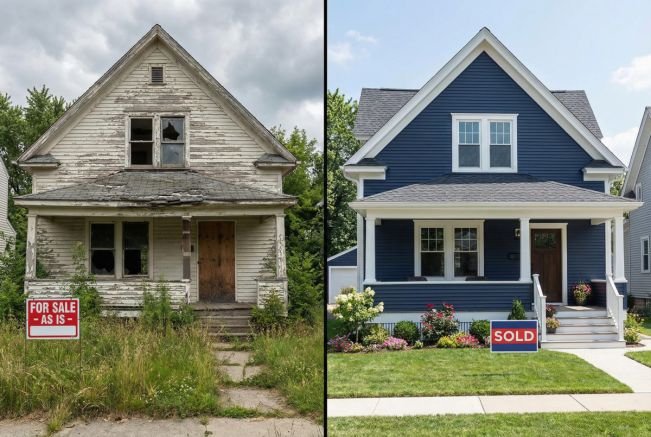
House flipping — purchasing a property, renovating it, and selling it for a profit — has become one of the most recognized real estate investment strategies. For beginners, the process can appear straightforward but involves significant financial, logistical, and market risks. This guide walks through the fundamentals of house flipping for beginners, from finding the right property to managing renovations and executing a profitable sale.
What Is House Flipping?
House flipping is the practice of purchasing a residential property below market value, making improvements to increase its value, and selling it within a short timeframe — typically six months to one year — at a profit, mentions Buda Property Management. The profit margin depends on the purchase price, renovation costs, holding costs, and the final sale price.
Successful flips require accurate property valuation, realistic renovation budgeting, efficient project management, and an understanding of local buyer preferences. A common industry benchmark is the 70% rule: an investor should pay no more than 70% of the after-repair value (ARV) minus estimated repair costs. For a property with an ARV of $300,000 and $50,000 in repairs, the maximum purchase price would be $160,000.
Building Your Flipping Team
House flipping is rarely a solo endeavor. A successful flip typically requires a real estate agent experienced with investment properties, a reliable general contractor, a real estate attorney, a lender or hard money source, and an accountant familiar with real estate taxation. Assembling this team before making your first purchase reduces costly delays.
The general contractor relationship is particularly critical. Vet contractors carefully: check licenses, insurance, references, and completed project portfolios. Obtain at least three bids for major renovation work. A detailed written contract specifying scope, timeline, payment schedule, and change order procedures protects both parties and reduces disputes.
Finding Properties to Flip
Profitable flip properties are typically found through distressed sale channels: foreclosures, estate sales, short sales, properties listed as “as-is,” and off-market deals sourced through direct mail campaigns or wholesalers. Properties listed on the MLS at full market value rarely offer sufficient margin for a profitable flip.
Driving for dollars — physically driving neighborhoods to identify neglected or vacant properties — remains an effective sourcing strategy. Connecting with probate attorneys, estate sale companies, and local wholesalers can provide access to off-market inventory before it reaches the general public.
When evaluating a potential flip, always conduct a thorough property inspection before finalizing the purchase. Hidden structural issues, foundation problems, mold, or outdated electrical systems can dramatically increase renovation costs and eliminate profit margins.
Financing Your First Flip
House flips are most commonly financed through hard money loans, private money lenders, or cash. Hard money loans are asset-based, short-term loans (typically 6–18 months) secured by the property. They close quickly but carry higher interest rates (8–15%) and origination fees, making holding time a critical cost factor.
| Financing Type | Interest Rate | Speed | most suitable For |
|---|---|---|---|
| Hard money loan | 8–15% | 7–14 days | Quick acquisitions, no income verification |
| Private money | 6–12% | Varies | Relationship-based, flexible terms |
| Cash | N/A | Immediate | Maximum profit, no financing costs |
| HELOC | Prime + margin | 2–4 weeks | Experienced investors with existing equity |
| Conventional rehab loan | Market rate | 30–45 days | Owner-occupant flippers |
Renovation Strategy: What to Fix and What to Skip
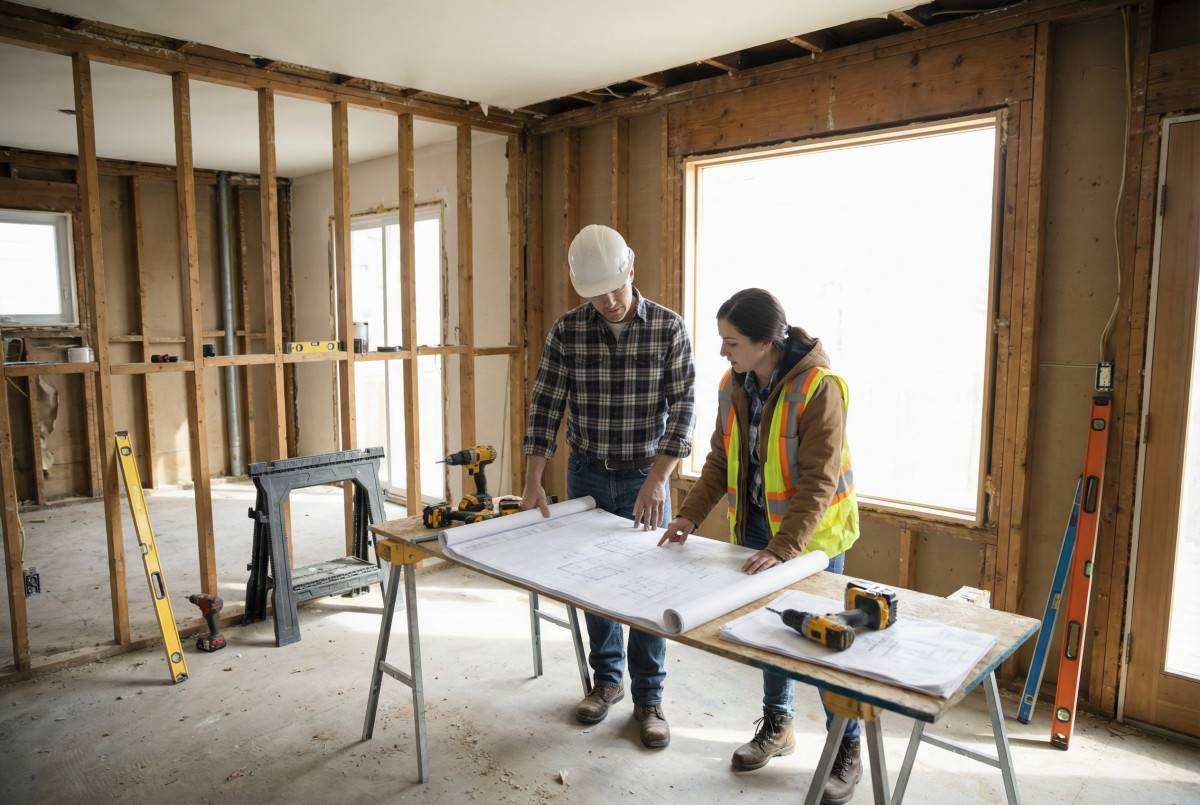
Not all renovations deliver equal returns. Kitchens and bathrooms consistently provide the highest return on investment in flip projects. Cosmetic updates — paint, flooring, fixtures, and landscaping — offer strong returns at relatively low cost. Structural repairs are necessary but rarely add visible value beyond making the property marketable.
Avoid over-improving for the neighborhood. Installing luxury finishes in a modest neighborhood will not yield a proportional increase in sale price. Research comparable sales to understand what buyers in the target price range expect and calibrate your renovation scope accordingly.
Establish a detailed renovation budget before purchasing the property and add a contingency reserve of 10–20% for unexpected issues. Scope creep — the gradual expansion of the renovation beyond the original plan — is one of the most common reasons flips exceed budget.
Understanding Holding Costs
Holding costs are the ongoing expenses incurred while you own the property before selling it. These include loan interest, property taxes, insurance, utilities, and HOA fees. On a $200,000 property with a hard money loan at 12%, holding costs alone can exceed $2,000 per month, making renovation speed a direct financial priority.
Every month the project extends beyond the planned timeline reduces profit. A renovation projected to take three months that runs to five months can cost an additional $4,000 or more in holding costs alone, before accounting for any cost overruns on the renovation itself.
Tax Implications of House Flipping
Profits from house flips held for less than one year are taxed as ordinary income, not at the lower long-term capital gains rate. For flippers who complete multiple transactions per year, the IRS may classify the activity as a business, subjecting profits to self-employment tax in addition to ordinary income tax.
Careful record-keeping of all acquisition costs, renovation expenses, and selling costs is essential for accurate tax reporting. Consulting a CPA experienced in real estate taxation before your first flip helps establish proper accounting practices from the outset.
Frequently Asked Questions
How much profit can a beginner expect from a house flip?
Profit margins vary widely based on purchase price, renovation costs, holding time, and local market conditions. Many experienced flippers target a minimum net profit of $20,000–$30,000 per project after all costs. Beginners should be conservative in their projections and build in larger contingency reserves to account for unexpected expenses.
How long does a typical house flip take?
A straightforward cosmetic flip can be completed in 60–90 days. Projects requiring structural repairs, permits, or extensive systems replacement (electrical, plumbing, HVAC) typically take 4–6 months or longer. The sale and closing process adds an additional 30–60 days after the renovation is complete.
Do I need a contractor’s license to flip houses?
You do not need a contractor’s license to flip houses as an investor. However, you must hire licensed contractors for work that requires permits in your jurisdiction. Attempting to perform licensed work without proper credentials can result in fines, failed inspections, and difficulty selling the property.
What is the 70% rule in house flipping?
The 70% rule states that a flipper should pay no more than 70% of the after-repair value (ARV) minus estimated repair costs. This formula is designed to ensure sufficient margin to cover holding costs, transaction costs, and generate a profit. It is a guideline, not a guarantee, and should be adjusted based on local market conditions and financing costs.
Can I flip houses with no money down?
Flipping with no money down is possible but uncommon and carries higher risk. Strategies include partnering with a capital investor who funds the deal in exchange for a share of profits, using seller financing, or leveraging a hard money lender who finances 100% of the purchase and renovation (rare and typically requires a strong track record).
What are the most common mistakes beginners make when flipping houses?
Common beginner mistakes include underestimating renovation costs, overestimating the ARV, failing to account for all holding costs, choosing the wrong contractor, over-improving for the neighborhood, and not having a contingency reserve. Thorough due diligence before purchase and conservative financial projections are the most effective safeguards.
Conclusion
House flipping for beginners requires careful preparation, realistic financial modeling, and a reliable team of professionals. The most successful first-time flippers approach the process with discipline: they buy at the right price, control renovation costs, move quickly, and price the finished property competitively. Starting with a modest, straightforward project in a familiar market reduces risk and provides valuable hands-on experience before tackling more complex deals.
Last modified: April 14, 2026