Modern Window Dressings for Sliding Glass Doors: 2026 Guide
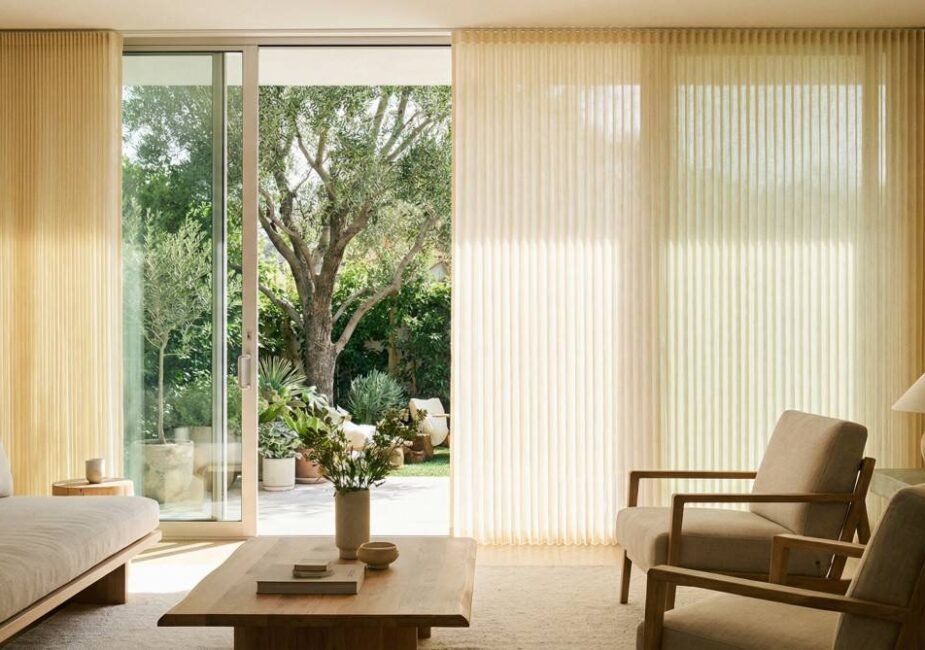
Finding the right window dressings for sliding glass doors is a common challenge for homeowners who want to balance style, privacy, and functionality. These large glass expanses are often the focal point of a room, but their high-traffic nature and size require specialized solutions that traditional window treatments may not provide. In 2026, the trend has shifted away from basic plastic slats toward sophisticated, energy-efficient, and smart-integrated systems that enhance both the aesthetic and performance of your living space, adds Real Property Management Services specialists.
Top Modern Alternatives to Traditional Vertical Blinds
Modern homeowners are increasingly moving away from plastic vertical blinds in favor of sleek panel track systems, vertical cellular shades, and elegant privacy sheers. These alternatives offer superior light control, improved durability, and a contemporary aesthetic that complements modern interior design while maintaining full functionality for high-traffic patio areas. According to Hunter Douglas (2026), vertical applications like the Vertiglide™ system are now the gold standard for large glass expanses due to their tight stackback and energy efficiency. [1]
Panel track systems are an excellent choice for those seeking a minimalist, architectural look. These systems consist of wide fabric panels that glide smoothly along a multi-channel track, stacking neatly behind one another when the door is opened. Unlike traditional blinds, they provide a clean, flat surface that can showcase beautiful textures or bold patterns, effectively acting as a moving fabric wall. This design is particularly well-suited for extra-wide openings or as a stylish room divider.
For a softer, more traditional feel without the weight of heavy drapery, privacy sheers offer a sophisticated middle ground. These treatments combine the functionality of vertical blinds with the airy elegance of sheer curtains. They feature soft fabric vanes attached to a sheer face, allowing you to rotate them for light control while maintaining a soft, diffused glow in the room. This makes them ideal for living rooms and dining areas where you want to preserve your view while protecting your privacy.
Energy Efficiency and Thermal Control for Large Glass Expanses
Sliding glass doors are significant sources of heat gain and loss, making energy-efficient window dressings essential for maintaining indoor comfort and reducing utility costs. Vertical honeycomb shades are the most effective solution, utilizing air-trapping pockets to create a thermal barrier that can significantly improve a home’s R-value and overall climate resilience. According to the Department of Energy (2024), properly installed window coverings can reduce heat loss by up to 40% and solar heat gain by up to 77%. [2]
The unique cellular construction of honeycomb shades is designed to mimic the insulating properties of a thermos. By trapping a layer of air within the “cells” of the fabric, these shades prevent the transfer of temperature between the glass and the interior of the room. This is particularly beneficial for large sliding doors, which often lack the insulation of a solid wall. During the summer, reflective backings on these shades can bounce solar radiation back outside, while in the winter, the trapped air prevents warmth from escaping through the glass.
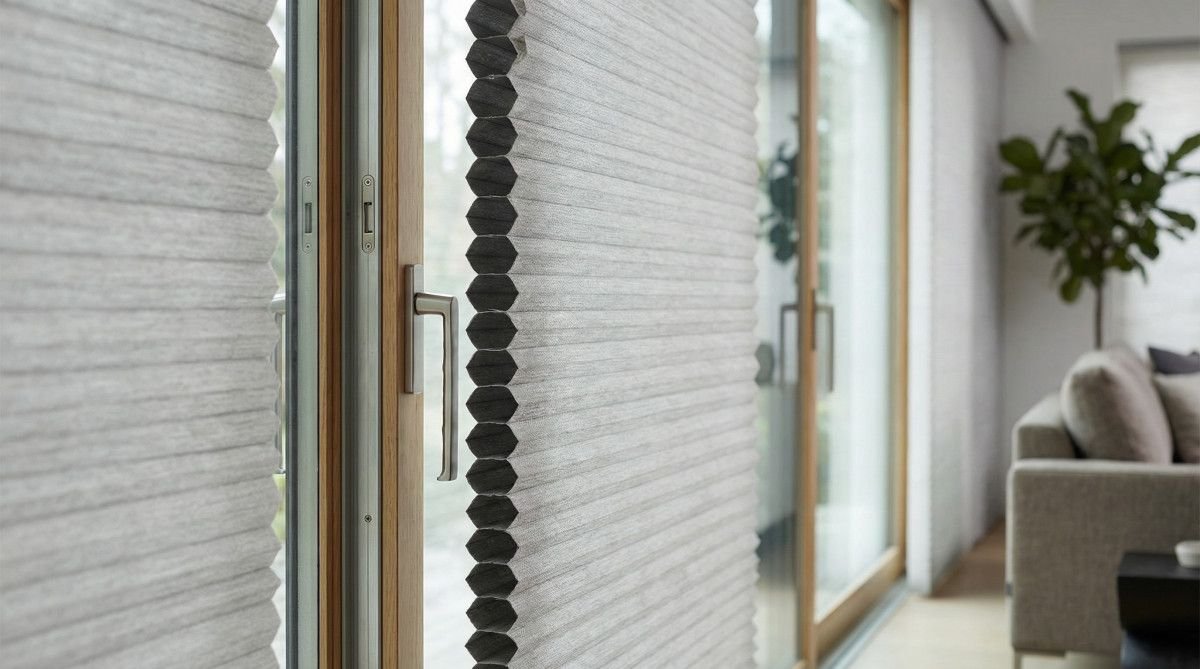
When selecting energy-efficient dressings, it is important to consider the material’s opacity and the number of layers. Double-cell shades offer even greater insulation than single-cell versions, though they may have a slightly larger stackback. For maximum thermal control, choosing a blackout or room-darkening fabric will provide the highest level of heat rejection, making it a perfect choice for bedrooms or media rooms that face the sun for a significant portion of the day.
Smart Integration: Motorized Solutions for 2026
In 2026, motorization has transitioned from a luxury add-on to a standard feature for sliding glass door window dressings, offering unparalleled convenience and safety. Smart systems now integrate seamlessly with home automation hubs, allowing for scheduled operation, voice control, and sensor-based adjustments that optimize natural light and privacy throughout the day. According to Norman® USA (2026), the shift toward cordless, motorized window treatments is driven by both consumer demand for convenience and stricter safety regulations regarding dangling cords. [3]
The integration of motorized window dressings into a smart home ecosystem allows for a level of automation that was previously unattainable. For instance, you can program your shades to close automatically during the hottest part of the day to reduce cooling costs, or have them open with the sunrise to provide a gentle wake-up call. Voice-activated controls through platforms like Alexa or Google Home mean you can operate large, heavy treatments with a simple command, which is particularly helpful for those with mobility issues or for hard-to-reach installations.
Safety is another significant driver for the adoption of motorized systems. Traditional corded blinds have long been a hazard for children and pets, leading to updated safety standards across the industry. Motorized treatments are inherently cordless, eliminating these risks entirely. Furthermore, the absence of manual pulling and tugging extends the lifespan of the hardware, as the motors provide a consistent, gentle force that prevents the wear and tear often associated with manual operation.
Durability and Maintenance: Best Choices for High-Traffic Areas
Choosing window dressings for sliding glass doors requires a focus on durability due to the frequent physical interaction and exposure to sunlight these areas endure. High-performance vinyl, faux wood, and treated polyester fabrics are the most resilient options, offering resistance to warping, fading, and moisture while remaining easy to clean with standard household methods. These materials are specifically engineered to withstand the rigors of a high-traffic entryway while maintaining their aesthetic appeal over many years of use.
Maintenance is a critical consideration for any window treatment, but especially for those on doors that lead to patios or backyards. Dust, pet hair, and outdoor debris are more likely to accumulate in these areas. Fortunately, many modern materials are treated with anti-static and soil-resistant coatings that make cleaning a simple task. For most high-performance fabrics, a quick vacuum with a brush attachment or a light dusting with a microfiber cloth is all that is required to keep them looking new.
| Material | Durability Rating | Ease of Cleaning | Best Use Case |
|---|---|---|---|
| High-Performance Vinyl | Exceptional | High | Pool areas, kitchens, high-humidity zones |
| Faux Wood | Very High | High | Traditional decor, high-sun exposure |
| Treated Polyester | High | Medium | Living rooms, bedrooms, soft aesthetic |
| Woven Natural Fibers | Medium | Low | Casual, organic design styles |
For homes with pets or young children, durability also means resistance to physical impact. Faux wood and vinyl vanes are less likely to bend or break if bumped, and they do not absorb odors or stains as easily as natural fibers. When selecting a fabric-based option, choosing a tighter weave will help prevent snagging and make it easier to wipe away any accidental spills or smudges.
Frequently Asked Questions
What is the best window treatment for a sliding glass door?
The best window treatment for a sliding glass door is generally one that traverses horizontally, such as vertical cellular shades or panel track systems. These options provide full access to the door while offering superior light control and energy efficiency compared to traditional horizontal blinds.
Can you put regular curtains on a sliding glass door?
Yes, you can use regular curtains on a sliding glass door, provided they are mounted on a high-quality traverse rod or large rings that allow them to slide easily. For the best results, use a single large panel that can be pulled entirely to one side, ensuring it does not interfere with the door’s operation.
How do I provide privacy on a sliding glass door without blocking the view?
To maintain your view while ensuring privacy, consider privacy sheers or light-filtering solar shades. These treatments diffuse incoming light and prevent outsiders from seeing in during the day, while still allowing you to see the shapes and colors of the outdoors.
Are motorized blinds worth it for patio doors?
Motorized blinds are highly recommended for patio doors due to their convenience, safety, and ability to be integrated into smart home systems. They are particularly valuable for large or heavy treatments that might be difficult to operate manually on a frequent basis.
What are the most energy-efficient options for large glass doors?
Vertical honeycomb shades are the most energy-efficient option for large glass doors. Their cellular design traps air to create a thermal barrier, significantly reducing heat transfer and helping to maintain a consistent indoor temperature year-round.
How do I clean vertical cellular shades?
Vertical cellular shades can be cleaned by gently vacuuming them with a brush attachment to remove dust. For minor stains, use a clean cloth dampened with lukewarm water and a mild detergent, blotting the area gently without rubbing to preserve the fabric’s texture.
Conclusion
Selecting the perfect window dressings for sliding glass doors involves a careful balance of practical needs and design preferences. Whether you prioritize the thermal efficiency of honeycomb shades, the modern look of panel tracks, or the convenience of smart motorization, the right choice will enhance your home’s comfort and style. By focusing on durable materials and contemporary designs, you can ensure that your sliding doors remain a beautiful and functional part of your home for years to come.
References
[1] Window Treatments for Sliding-Glass Doors – Hunter Douglas
[2] Energy Efficient Window Attachments – Department of Energy
[3] 7 Window Treatment Trends & Ideas for 2026 – Norman® USA
Last modified: April 14, 2026