How to Choose the Right Mobility Equipment for Your Needs
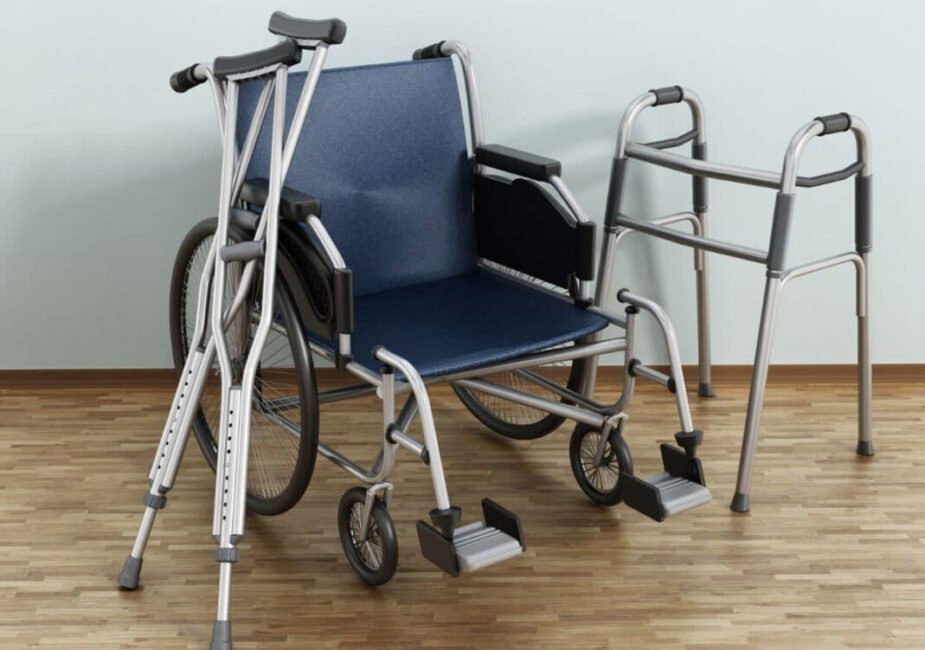
Choosing the right mobility equipment starts with understanding your needs and aligning them with your lifestyle and mobility goals. By considering factors like comfort, weight capacity, portability, and long-term maintenance, you can select an option that supports your independence, fits your daily activities, and remains practical over time.
Assessing Your Personal Mobility Needs
To select the ideal mobility equipment, consider your physical capabilities, daily routine, and professional advice.
Understanding Physical Requirements
Your physical abilities are key when selecting mobility equipment. Evaluate your strength, balance, and coordination, as well as your range of motion. For example, if you have limited upper-body strength, power wheelchairs may be more suitable than manual ones.
Consider how much support you need to maintain stability and independence, and whether you can transfer independently or need assistance. This will guide you toward equipment that enhances safety and convenience.
Lifestyle and Activity Considerations
Your daily activities significantly shape the type of mobility equipment you require. Consider your environment—do you mostly navigate indoors or require something robust for outdoor use? If you frequently travel, choosing mobility equipment for home and travel that is lightweight and portable might be essential.
Consider your social and work activities. Your equipment should support these without limiting them. Portability, ease of use, and storage are key considerations.
Consulting Healthcare Professionals
Professional advice can provide insights tailored to your health needs. Consult healthcare providers such as occupational therapists or physiotherapists for assessments and recommendations.
Professional guidance can help identify suitable solutions and address both immediate and long-term mobility concerns, supporting health and independence.
Exploring Types of Mobility Equipment
Choosing the right mobility equipment can improve your quality of life by matching your needs, lifestyle, and preferences.
Wheelchairs: Manual vs. Electric
When selecting a wheelchair, it’s important to decide between manual and electric options. Manual wheelchairs are lighter, easier to transport, and offer more control in tight spaces. They suit users with upper body strength and are often budget-friendly.
Electric wheelchairs provide power and convenience, ideal for longer distances or limited arm strength. They include features like adjustable seating and joystick control, improving comfort and usability, though they are typically bulkier than manual types.
Scooters and Power Chairs
Mobility scooters and power chairs offer versatile solutions for diverse mobility needs. Scooters typically come in three or four-wheel designs, providing stability and larger bases for outdoor use. These are suitable for individuals who can transfer independently but may have difficulty walking long distances. Some models are designed for rough terrain, making them suitable for certain outdoor use.
Power chairs are more maneuverable than scooters and better suited for indoor use or tight spaces. Consider terrain and daily usage when choosing between them.
Walkers, Canes, and Rollators
Walkers, canes, and rollators offer different levels of support to assist with balance and stability. A basic walker is ideal for someone needing maximum stability, with its four legs providing strong support. Variants with wheels can enhance maneuverability.
Canes are excellent for those needing minimal assistance and are easier to use and transport, offering a subtle solution for balance issues. They come in a variety of styles, such as the standard single-point or quad-canes for extra stability.
Rollators are walkers with wheels, a seat, and handbrakes, providing support along with the option to rest when needed. This design is perfect for those who require mild to moderate support but also enjoy independence and activity. Tailoring your choice to match your specific needs ensures the best experience with mobility aids.
Key Factors to Consider When Choosing Equipment
Choosing the right mobility equipment involves evaluating various aspects to ensure it aligns with your specific needs. It’s crucial to consider comfort, safety, portability, and budget to make the most informed decision.
Comfort and Customization
Comfort plays a pivotal role when selecting mobility equipment. You want something that feels right for daily use without causing discomfort or strain. Look for ergonomic designs that reduce pressure on your body. Adjustable features, like seat height and armrest positions, help tailor the equipment to fit you perfectly.
Customization options can enhance your experience. Some devices allow you to choose seat materials or add supportive cushions. These adjustments can make a significant difference in how enjoyable and practical your equipment is over extended periods. Prioritizing comfort ensures that using mobility aids remains a positive experience rather than a challenge.
Safety and Stability Features
Safety is non-negotiable. Important features include brakes, non-slip surfaces, and sturdy wheels or bases. These elements provide the stability needed to prevent accidents. Check for anti-tip features, especially for devices like wheelchairs or scooters, as they help maintain balance on uneven surfaces.
Visibility enhancements, like reflectors or lights, are also valuable if you plan to be outdoors frequently. Such features increase safety during limited light conditions. Always inspect the equipment for reliable build quality and materials. Ensuring your equipment includes comprehensive safety features provides peace of mind.
Portability and Storage
Mobility equipment should fit seamlessly into your life, so consider its ease of transport and storage. Lightweight materials make a big difference if you need to move equipment frequently. Foldable or collapsible designs are particularly useful for those with limited space or who often travel.
Measure your living space and vehicle to ensure that your new equipment fits comfortably. Consider where you’ll store it, and whether it’s easy to access. These factors help ensure your mobility device integrates well into your routine without adding unnecessary hassle.
Budget and Insurance Options
Financial considerations are vital in selecting the right equipment. Prices can vary significantly, so setting a clear budget helps focus your options. Investigate insurance coverage or any available assistance programs that may reduce out-of-pocket expenses.
Don’t overlook potential maintenance costs. Routine upkeep is important for durability, so factor in potential repair costs. Some suppliers offer payment plans to help manage expenses. Understanding your budget, insurance options, and any related costs ensures you can sustain your investment long-term.
Making an Informed Decision and Next Steps
When selecting the perfect mobility equipment, consider trial periods, training, and regular maintenance. By focusing on these factors, you can maximize both comfort and utility.
Testing and Trial Periods
Trying out different types of mobility equipment is crucial. Many suppliers offer trial periods, allowing you to experience what works best for your needs. Look for trial options that allow enough time to use the equipment in different environments and routines.
Feedback during trial periods is essential. Discuss any discomfort or difficulties with professionals and seek necessary adjustments. Your choices might include wheelchairs, scooters, or walkers, so consider how each fits with your lifestyle and personal preferences. Testing helps to feel confident in your ultimate decision.
Getting Proper Training and Support
Once you’ve chosen the equipment, obtaining professional training boosts your confidence. Training can teach you how to safely operate new devices, navigate challenging environments, and handle any unexpected issues. This ensures maximum benefit from your equipment.
Seek support not just initially but as needs change over time. Contact your supplier or healthcare provider for any ongoing issues or if circumstances evolve. Having a support system means you’re never alone in managing your mobility requirements. Training is not only about learning but also about peace of mind and safety.
Maintaining Your Mobility Equipment
Proper maintenance extends the life and efficiency of mobility equipment. Regularly inspect for issues such as loose screws, worn-out parts, or battery problems. Setting up a maintenance schedule with a professional can keep your equipment in top condition.
Cleaning your equipment helps prevent damage and extend its lifespan. Use gentle cleaning solutions and replace faulty components promptly. Regular upkeep improves reliability and reduces the risk of malfunctions.
Final Thoughts
Choosing the right mobility equipment comes down to understanding your needs, matching features to your lifestyle, and prioritizing comfort, safety, and long-term usability. By taking the time to assess your options, seek professional advice, and test what works best, you can make a confident decision that supports your independence and enhances your everyday life.
Last modified: April 1, 2026