What to Consider When Buying a Durable Leather Wallet
Source: pexels
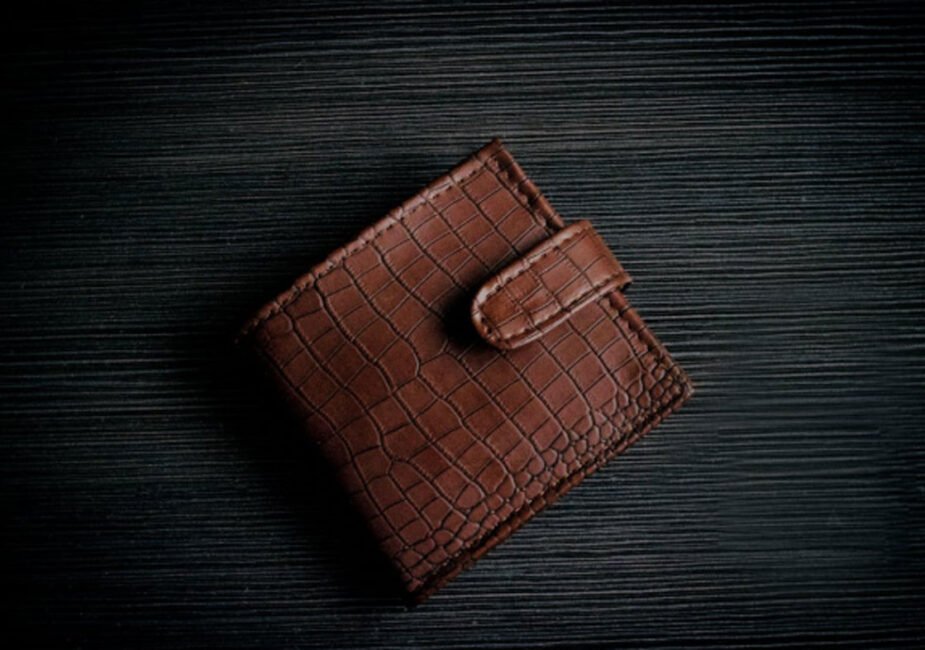
If there’s one timeless everyday accessory, it’s a leather wallet. It has been a popular choice for many years because of its appearance, strength, and long-lasting performance.
Unlike synthetic materials that wear out quickly, a high-quality leather wallet stays with you for ages like a loyal friend. In fact, genuine leather develops a character of its own over time. It is a statement of luxury and can say a lot about the personality of the person carrying it.
That said, how do you actually choose a durable leather wallet? This guide will offer clarity. Let’s take a closer look at five things you should consider when buying a durable leather wallet.
1.Leather Grade
There are a bunch of leather types that vary in quality, strength, and longevity. Full-grain leather is, without a doubt, the highest-quality option. These wallets are made from the top layer of full hide without removing imperfections.
Full-grain leather wallets have natural markings and a unique texture. Moreover, since they are minimally processed, they are extremely durable. These leather wallets (皮夾) develop a rich patina over time, adding to their beauty and character.
Top-grain leather is lightly processed to remove imperfections while retaining a high-end look. These wallets are made from the second layer of the hide. They generally have a uniform, smooth, and flexible surface.
Once the top two layers of the hide are removed, what’s left is used to manufacture genuine leather wallets. They are highly affordable, but lack the durability of full-grain and top-grain leather wallets.
You can also find suede and bonded leather wallets. But again, they break down fast and can form scratches.
2.Stitching Quality
The next important thing to consider when buying a leather wallet is the stitching quality. It directly impacts the wallet’s strength and longevity.
Even if a wallet is made from the highest-grade leather, such as full-grain leather, poor stitching can cause the seams to weaken and fall apart. Remember that wallets are opened and stretched every day; the stitching must be strong enough to handle the continuous wear and tear.
Look for tight, consistent, and strong nylon or polyester stitching. Reinforced stitching is ideal, especially at stress points like corners and card slots. Make sure the stitches are straight, evenly spaced, and free from any loose threads.
3.Lining Materials
In addition to stitching quality, the lining material makes a world of difference. The lining protects the interior of the wallet and prevents items like coins and cards from rubbing against the leather. Common lining materials for leather wallets include:
- Cotton
- Polyester
- Microfiber
Cotton lining is generally preferred because of its softness and breathability. But it can also wear out fast if the wallet is heavily used. Polyester lining is another common choice because it is durable, affordable, and resistant to stretching, shrinking, and fading.
Just make sure you avoid cheap, flimsy cardboard linings.
4.Wallet Style and Design
Once you’re satisfied with the leather type and stitching of a wallet, it’s time to assess its style and design. You’re going to carry this wallet every day, so it should match your personal style and needs.
Common leather wallet styles include:
- Bifold wallets
- Trifold wallets
- Card holders
- Zip-around wallets
Bifold and trifold wallets are the most popular options due to their timeless design and space. They have separate card slots, a section for cash, and sometimes an ID window. On the flip side, if you want something minimalistic, leather card holders would do the trick.
Consider how much cash you typically carry around and how easily you want to access it.
5.Price vs Value
A leather wallet is an investment. Yes, a high-quality leather wallet would cost you more. But it will last longer than its cheap alternatives. It will also age beautifully, turning into a valuable possession. Consider the price and value of a leather wallet before buying it.
Last modified: March 27, 2026