The Ground Conditions That Make Construction Projects Much Harder Than Expected
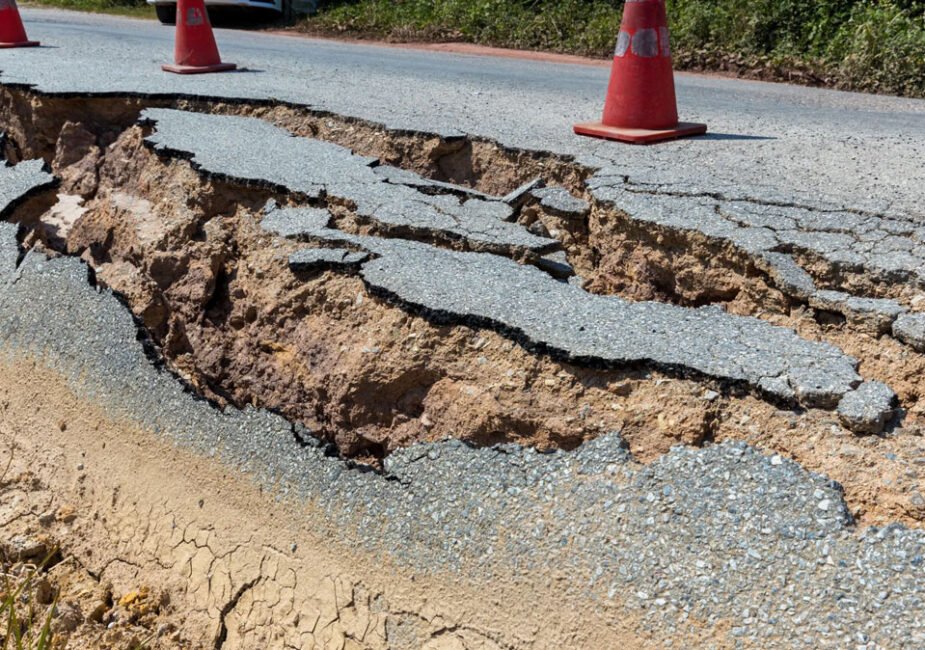
Construction projects rarely fail because of the building design. More often, the real challenges start underground.
A site that appears perfectly normal on the surface can hide layers of unstable soil, buried debris, rock formations, or groundwater issues. When excavation begins, these hidden conditions can slow progress, damage equipment, or force engineers to redesign parts of the project.
Before breaking ground, engineers try to understand exactly what lies beneath the site. Techniques such as soil sampling, geological surveys, and auger drilling help teams gather information about underground conditions so they can plan construction safely and efficiently.
Understanding the ground before work begins often determines whether a project runs smoothly or becomes far more complicated than expected.
Why Ground Conditions Matter So Much
Buildings rely on stable foundations. Everything from houses and bridges to large commercial buildings transfers weight into the soil below.
If that soil cannot support the load properly, problems can appear months or even years after construction.
Unstable ground can lead to:
- Uneven settlement of foundations
- Cracking in walls and structural components
- Drainage problems around the building
- Shifting or sinking structures
- Delays during excavation
For engineers and contractors, understanding soil conditions early helps prevent costly surprises later.
Soft or Loose Soil
One of the most common challenges on construction sites is loose or soft soil.
This type of ground does not provide strong support for heavy structures. When weight is placed on it, the soil compresses and settles unevenly. Over time, that movement can cause structural stress throughout the building.
Soft soils are often found in areas with:
- High clay content
- Previously filled land
- Wet or marshy terrain
- Riverbeds or floodplains
When these conditions are identified early, engineers can adapt foundation designs to distribute weight more effectively.
Solutions may include deeper foundations, reinforced concrete footings, or soil stabilisation techniques.
Expansive Clay
Certain types of clay behave in unusual ways when moisture levels change.
Expansive clay soils swell when they absorb water and shrink when they dry out. This repeated expansion and contraction can place constant pressure on foundations.
Over time, that movement can lead to:
- Cracked concrete slabs
- Misaligned door frames
- Structural movement in walls
- Uneven flooring
These issues are especially common in regions where rainfall patterns change dramatically throughout the year.
Engineers often address expansive clay by improving drainage around the structure or designing foundations that can better tolerate soil movement.
High Groundwater Levels
Water beneath the ground surface can also create serious construction challenges.
When groundwater sits close to the surface, excavation becomes more difficult. Trenches may fill with water, soil becomes unstable, and heavy machinery struggles to operate effectively.
High groundwater levels can also affect:
- Basement construction
- Underground utilities
- Concrete curing conditions
- Long-term foundation stability
To manage these risks, construction teams often install temporary drainage systems or pumps to remove excess water during excavation.
Proper waterproofing and drainage design are also essential for protecting the building once construction is complete.
Buried Obstacles and Unknown Fill
Not every construction site starts as untouched land. Many sites contain buried materials left behind from previous development.
These may include:
- Old foundations
- Concrete debris
- Metal objects
- Utility lines
- Compacted construction waste
This type of fill material creates inconsistent ground conditions. Some areas may be stable, while others collapse or shift during excavation.
When crews encounter unexpected obstacles, equipment may need to stop while engineers reassess the situation. Removing buried materials can slow construction and increase project costs.
Early site investigation helps reduce these surprises.
Rock Layers Beneath the Surface
Solid rock can be both helpful and challenging for construction.
On one hand, strong rock layers can provide excellent support for foundations. On the other hand, excavating through rock requires specialised equipment and significantly more time.
When large rock formations lie just below the surface, contractors may need to:
- Use heavy drilling equipment
- Break rock using hydraulic tools
- Adjust foundation depth
- Reroute underground utilities
These steps increase both labour and equipment costs.
Identifying rock layers before excavation begins helps construction teams prepare the right tools and plan realistic project timelines.
Why Site Investigation Is Essential
Experienced construction teams rarely begin digging without first studying the ground conditions.
Site investigation typically includes several steps:
- Soil sampling and laboratory testing
- Borehole drilling to examine deeper layers
- Groundwater level monitoring
- Geological surveys of the surrounding area
- Historical site analysis
These investigations provide engineers with the information they need to design foundations that match the site’s conditions.
Skipping this stage may seem like a way to save time or money, but it often leads to far greater costs later.
Unexpected ground conditions are one of the most common reasons construction projects run over budget.
Planning for What Lies Beneath
Successful construction depends as much on the ground below a building as the structure above it.
While architectural design receives most of the attention, the unseen conditions beneath a site often determine how smoothly a project progresses.
By carefully studying soil composition, groundwater levels, buried materials, and rock formations, engineers can design foundations that work with the environment rather than against it.
When that preparation is done properly, construction becomes far more predictable, safer for workers, and far less likely to face costly surprises once excavation begins.
Last modified: March 19, 2026