The Design Trick Interior Designers Use to Make Rooms Feel Larger
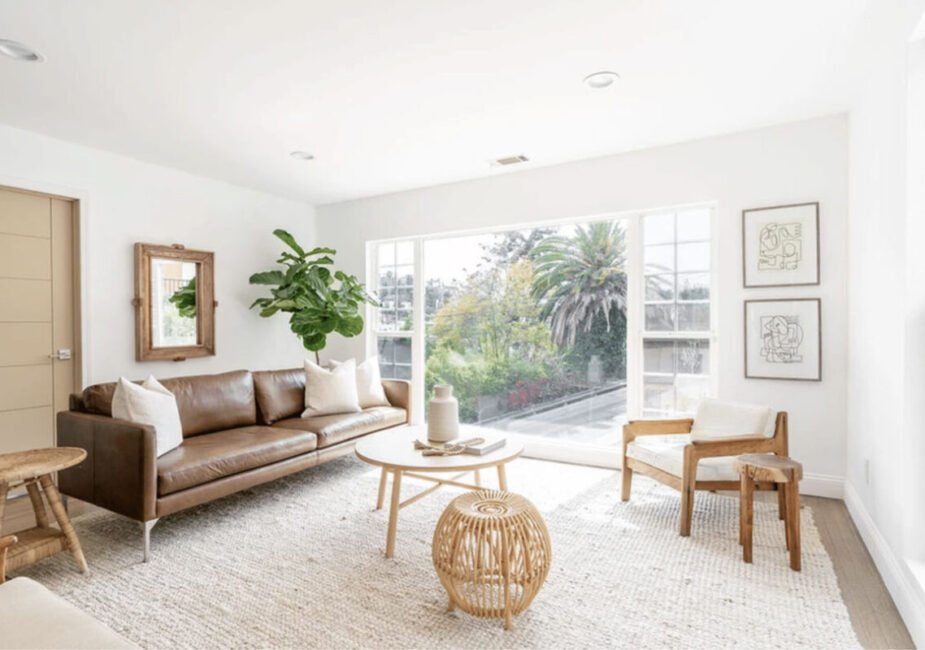
Some rooms feel spacious the moment you walk into them. Others feel cramped, even when the square footage is similar. The difference often comes down to subtle design choices that shape how our eyes interpret space.
Interior designers use a variety of visual techniques to make rooms appear larger than they actually are. One of the most effective tricks involves creating long, uninterrupted lines that guide the eye across the room. Elements such as consistent flooring, particularly materials like French oak floors, can help achieve this effect by visually stretching the space from one end of the room to the other.
Understanding how these visual cues work can help homeowners transform smaller rooms into spaces that feel open, calm, and inviting.
Why the Eye Loves Continuous Surfaces
When people enter a room, their eyes naturally scan the environment from floor to ceiling. If the space contains too many visual interruptions, the room can feel fragmented.
Continuous surfaces help prevent this effect.
For example, when flooring flows seamlessly across a room without sudden changes in colour or material, the eye perceives a longer visual path. This creates the impression that the room extends further than it actually does.
Designers often prioritise consistency because it reduces visual clutter and helps the brain interpret the space as larger.
The Power of Flooring Direction
The direction in which flooring is installed can significantly influence how large a room appears.
Planks or boards installed lengthwise along the longest dimension of the room tend to create a stretching effect. The eye follows the lines, making the room feel deeper and more expansive.
Here are a few simple guidelines designers often follow:
- Install flooring parallel to the longest wall to emphasise length
- Use wider planks to reduce the number of visible seams
- Avoid mixing multiple flooring styles in connected spaces
These choices help create visual continuity, which contributes to the feeling of openness.
Light Colours Reflect Space
Colour also plays a major role in how large a room feels.
Lighter tones tend to reflect more light, which makes spaces appear brighter and more open. Dark colours, while beautiful in the right setting, can sometimes make small rooms feel enclosed if used excessively.
Many designers choose soft, natural tones for flooring and walls to enhance the sense of space. Shades that mimic natural materials, such as light woods or neutral finishes, often work particularly well.
Combining light colours with natural light from windows can dramatically increase the perception of room size.
Keep Furniture Proportions Balanced
Furniture choices can either support or undermine the illusion of space.
Oversized furniture pieces may overwhelm a small room, while too many smaller items can create visual clutter. The key is finding balance.
Interior designers often recommend:
- Choosing fewer, well-proportioned pieces instead of filling every corner
- Leaving small gaps between furniture and walls
- Selecting furniture with visible legs to allow light to pass underneath
These strategies create breathing room within the layout, helping the space feel more open.
Mirrors Expand Visual Depth
Mirrors are one of the oldest design tools for creating the illusion of space.
When placed strategically, mirrors reflect both light and surrounding elements of the room. This reflection adds depth and makes the room feel larger than it actually is.
Designers often position mirrors opposite windows or light sources to maximise this effect.
Large mirrors, particularly those mounted vertically on walls, can also draw the eye upward, making ceilings appear taller.
Decluttering Makes a Bigger Impact Than You Think
Clutter interrupts visual flow and makes spaces feel smaller.
Even beautifully designed rooms can feel cramped if surfaces are crowded with too many objects. Designers frequently recommend simplifying what is visible within a space.
This may involve:
- Limiting decorative items on shelves and tables
- Organising storage so items remain out of sight
- Keeping pathways clear between furniture pieces
A clean, organised room allows architectural features and design elements to stand out.
Lighting Shapes Perception
Lighting can dramatically affect how spacious a room feels.
Rooms with poor lighting often appear smaller and more confined. In contrast, layered lighting helps reveal the full dimensions of the space.
Designers typically combine several types of lighting:
- Ambient lighting for general illumination
- Task lighting for specific areas
- Accent lighting to highlight architectural features
This layered approach prevents dark corners and ensures the entire room feels balanced and open.
Bringing It All Together
The illusion of space rarely comes from a single design decision. Instead, it emerges from several elements working together.
Continuous flooring, balanced furniture, thoughtful lighting, and uncluttered layouts all contribute to a room that feels larger and more comfortable.
Interior designers focus on guiding the eye smoothly across a space. When visual interruptions are reduced, the brain perceives the room as more expansive.
For homeowners working with smaller rooms, these techniques can make a noticeable difference. With careful planning and a few strategic choices, even compact spaces can feel bright, airy, and surprisingly spacious.
Last modified: March 19, 2026