How Modern Vehicles Use Technology to Prevent Accidents
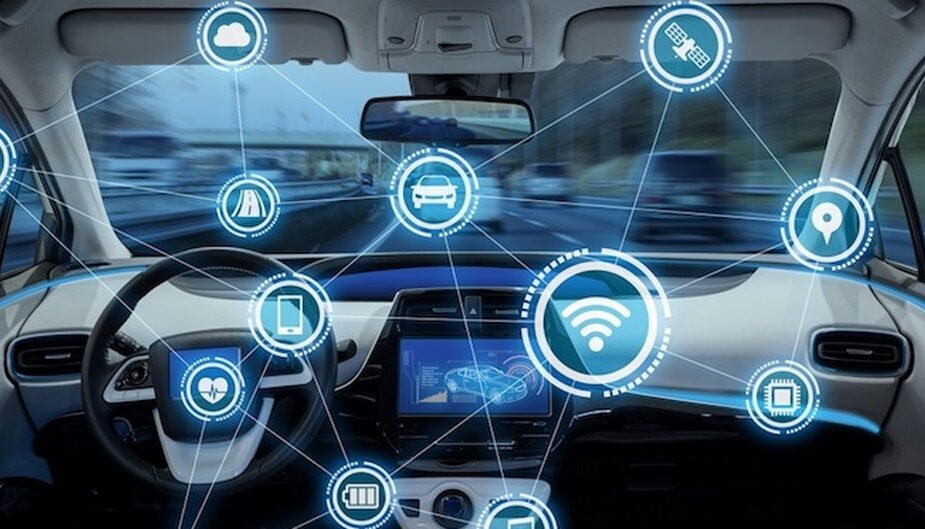
Driving today looks very different from driving twenty years ago. Modern vehicles are equipped with a wide range of technologies designed to help drivers stay aware of their surroundings and avoid potential hazards. While drivers are still responsible for operating the vehicle, advanced systems now provide extra layers of support that can reduce the likelihood of accidents.
Many of these technologies rely on cameras, radar sensors, and onboard computers that constantly monitor road conditions. These systems work quietly in the background, detecting potential dangers and alerting the driver when something requires attention. To ensure these systems function accurately, vehicles often require specialised procedures such as ADAS calibrations after certain repairs or component replacements.
Understanding how these technologies work can help drivers appreciate how modern vehicles contribute to safer roads.
What Are Advanced Driver Assistance Systems?
Advanced Driver Assistance Systems, often referred to as ADAS, are features designed to assist drivers in monitoring their environment and responding to potential risks.
These systems use a combination of sensors, cameras, and radar units to collect real-time information about the vehicle’s surroundings.
The data gathered by these components allows the vehicle to:
- Detect nearby vehicles
- Monitor lane position
- Identify pedestrians or obstacles
- Track the distance between cars
By analysing this information, the vehicle can warn the driver or take corrective action in certain situations.
Automatic Emergency Braking
One of the most important safety technologies found in modern vehicles is automatic emergency braking.
This system monitors the distance between the vehicle and objects ahead. If it detects that a collision is likely and the driver does not react in time, the system can apply the brakes automatically.
Automatic emergency braking can help prevent or reduce the severity of accidents, particularly in situations where a driver may be distracted or unable to respond quickly enough.
Common scenarios where this technology is helpful include:
- Sudden traffic slowdowns
- Unexpected obstacles in the road
- Pedestrians crossing unexpectedly
By reacting faster than human reflexes, the system provides an additional level of protection.
Lane Departure Warning and Lane Keeping Assistance
Another common safety feature is lane departure warning. This system uses cameras to monitor the lane markings on the road.
If the vehicle begins to drift out of its lane without the driver using a turn signal, the system may issue an alert.
In some vehicles, lane keeping assistance goes a step further. Instead of only providing a warning, the system can gently adjust the steering to guide the vehicle back toward the centre of the lane.
These features are particularly useful during long drives or situations where fatigue may affect a driver’s concentration.
Blind Spot Monitoring
Blind spots are areas around a vehicle that cannot easily be seen through mirrors alone. When another car is travelling in this area, it can be difficult for the driver to notice it during lane changes.
Blind spot monitoring systems use sensors to detect vehicles approaching from behind or travelling alongside the car.
When a vehicle enters the blind spot, the system may display a warning light in the side mirror. If the driver attempts to change lanes while another vehicle is present, the system may provide additional alerts.
This technology helps drivers make safer decisions when merging or changing lanes.
Adaptive Cruise Control
Traditional cruise control maintains a constant speed set by the driver. Adaptive cruise control adds an additional level of intelligence.
This system uses radar sensors to monitor the distance between the vehicle and the car ahead. If traffic slows down, the system automatically reduces speed to maintain a safe following distance.
When the road clears, the vehicle gradually returns to the set speed.
Adaptive cruise control is particularly useful during highway driving, where maintaining consistent speed and spacing can reduce driver fatigue.
Parking Assistance Systems
Parking in tight spaces can be challenging, especially in crowded urban areas. Many modern vehicles include parking assistance systems that make this process easier.
These systems often use sensors or cameras to detect obstacles around the vehicle.
Some common features include:
- Rearview cameras
- 360-degree surround-view cameras
- Parking sensors that alert drivers to nearby objects
- Automated parking assistance in certain vehicles
These tools help drivers navigate small spaces with greater confidence and accuracy.
Why Calibration Is Important
The sensors and cameras that power these systems rely on precise positioning and alignment. Even small changes to the vehicle’s structure can affect how accurately they operate.
For example, calibration may be required after:
- Windshield replacement
- Suspension adjustments
- Collision repairs
- Sensor replacement
Proper calibration ensures that the system interprets environmental data correctly and continues to provide reliable alerts.
Without accurate calibration, the technology may not function as intended.
Technology Supports Safer Driving
Modern vehicle technology cannot replace attentive driving, but it can significantly enhance safety. By constantly monitoring the environment and providing timely alerts, advanced systems help drivers respond more quickly to potential hazards.
From automatic braking to lane assistance and blind spot monitoring, these technologies create a supportive safety network around the driver.
As vehicle technology continues to evolve, these systems are likely to become even more sophisticated. For drivers, understanding how they work can lead to greater confidence on the road and a deeper appreciation for the technology quietly helping to prevent accidents every day.
Last modified: March 19, 2026