Home Recovery 101: What to Repair After a Disaster
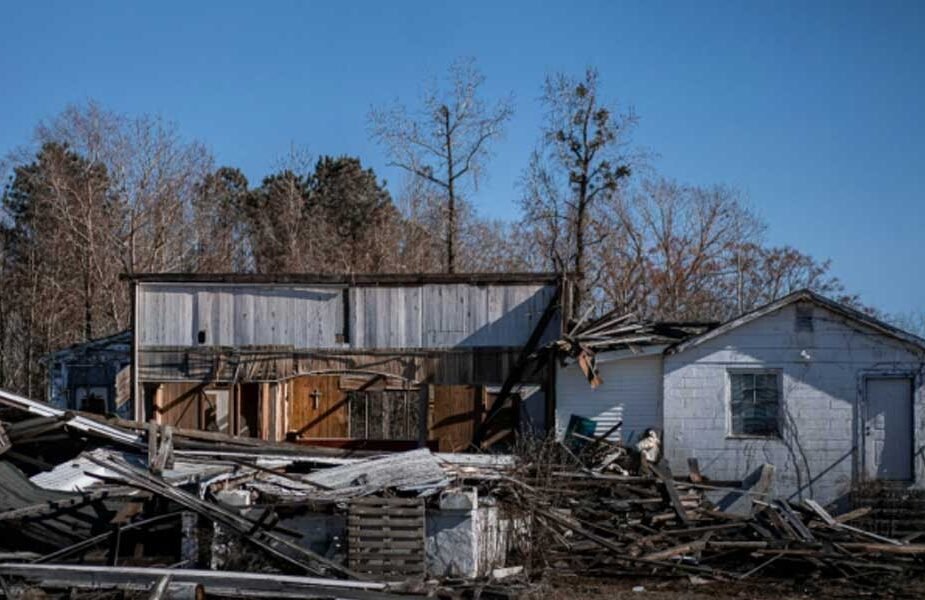
A disaster often leaves homeowners feeling overwhelmed, yet the first steps toward recovery become clearer once the essential maintenance areas are identified. Homes rely on a network of structural, mechanical, and environmental systems that must work together to keep the space safe and comfortable. Damage to any part of that system can escalate quickly.
Careful assessment helps families understand where attention is needed most and how each repair choice influences long-term stability. A thoughtful start sets the tone for the entire recovery process, giving homeowners direction rather than guesswork.
Structural Safety Checks
Structural components determine how well a home holds up during and after a crisis. Walls, beams, foundations, and roof supports may show signs of stress that are not always obvious at first glance. Cracks, uneven floors, sagging lines, or shifting door frames often signal deeper issues. A calm walkthrough helps homeowners notice these early clues.
Professionals later confirm the extent of the damage, yet documenting concerns at the start speeds up that evaluation. Careful attention to the structure reduces the risk of compounding problems and creates a safer environment for the rest of the recovery work. Homes that experience flooding, heavy winds, or fire may also face hidden structural shifts. Smoke and heat weaken certain materials, while prolonged moisture can soften or swell crucial support areas.
Water Damage Repair
Water affects a home in ways that can linger long after the disaster ends. Damp drywall, swollen floors, stained ceilings, or spongy surfaces often appear within hours. Moisture that settles into insulation or behind wall cavities may continue spreading without detection. Careful inspection helps determine how far the water has traveled and which materials remain salvageable.
Disaster restoration services guide homeowners through the process of stabilizing these moisture-heavy areas so repairs can move forward without delays. Their role becomes especially important when water has reached electrical components, flooring systems, or structural supports. Homeowners can begin with simple steps such as opening windows, removing wet items, and noting visible damage for later reference. Early action helps limit the chances of mold, warping, or long-term deterioration.
Roof and Exterior Repairs
Roofs and exterior walls shield the home from the elements, so any breach exposes everything inside to damage further. Missing shingles, dented panels, broken gutters, or loose siding may look manageable at first, yet even small openings allow water or debris to enter. A careful exterior check helps homeowners understand the condition of these protective layers.
Roofs that endured strong winds or heavy impact might develop subtle shifts that grow into larger problems. Gutters can clog with debris, creating overflow that spreads moisture to the foundation or interior walls. Regular observation and prompt repairs keep these issues contained. A reliable exterior envelope supports every other aspect of recovery by preventing repetitive damage and maintaining a controlled environment inside the home.
Electrical System Assessment
Electrical systems react quickly to water, heat, or force. Outlets that look harmless may hide internal corrosion. Panels exposed to moisture can fail without warning. Flickering lights, warm switches, or unusual odors signal trouble that requires professional attention.
Homeowners can take note of signs without touching any components. Power should remain off in areas with standing water or visible damage. Electricians later inspect wiring, outlets, breakers, and connections to confirm what remains safe. Accurate evaluation protects the home from potential fire hazards and ensures that other repair tasks can continue without risk.
Plumbing Checks and Leak Control
Plumbing systems often face stress during disasters. Pipes may crack, joints can loosen, and sewer lines might back up due to pressure changes or debris. Early detection prevents widespread moisture issues that complicate recovery. Stains on walls, dripping sounds, or reduced water pressure point toward potential leaks.
Careful observation helps homeowners map out problem areas before a plumber arrives. Quick responses reduce the chance of mold or structural decay. Stable plumbing supports every stage of rebuilding, allowing families to regain normal routines while other repairs continue.
HVAC Condition and Air Quality
Disasters place a significant strain on heating and cooling systems. Smoke, dust, and moisture can travel through vents, settling deep inside ductwork. Filters often trap a portion of this debris, yet a large event may overwhelm the system. A calm inspection helps homeowners notice early changes such as unusual smells, uneven temperatures, or reduced airflow.
HVAC units exposed to flooding or heavy debris require careful attention, since internal components may corrode or clog. Systems that pull in contaminated air also influence the health and comfort of everyone in the home. A simple filter check provides useful insight into the level of disruption.
Interior Surfaces and Fixture Evaluation
Interior surfaces often reveal the story of what the home endured. Floors may swell, ceilings might discolor, and cabinets can warp after heavy moisture or sudden impact. Smoke, soot, and residue from storms leave behind subtle traces that become more noticeable with time. Homeowners benefit from walking through each room with a calm, observant eye, noting irregular textures, stains, or soft spots.
Fixtures such as built-ins, shelves, and cabinetry may appear intact yet show weakness when touched. Doors that stick or drawers that no longer slide smoothly often point to swelling or alignment issues. Families can weigh which items need replacement and which can be repaired with thoughtful restoration work.
Landscaping and Outdoor Hazard Removal
Outdoor areas can shift dramatically during a disaster. Trees may lean or lose major limbs, soil can erode, and fences or sheds might collapse under pressure. These changes introduce hazards that affect the home’s safety even after interior repairs begin. A steady walkthrough of the yard helps families identify conditions that could create new risks.
Tree branches that hang low or rest against power lines require prompt attention. Soil erosion near the foundation may influence drainage patterns, pulling water toward the home during future storms. Damaged walkways or loose debris create obstacles for residents and workers moving in and out.
Recovery becomes less overwhelming when homeowners understand the order and purpose behind each repair phase. A home regains stability through a series of thoughtful steps, starting with safety checks and moving toward deeper systems and environmental controls. Each category of work influences the next, creating a rhythm that brings structure to a stressful experience.
A clear plan helps families make informed choices rather than reacting to the situation with uncertainty. Homes that receive careful attention at each stage often return to full function with greater reliability. Steady progress leads to a space that feels secure again, giving homeowners confidence as they move forward.
Last modified: February 26, 2026