What to Look for in a Home Inspection: A Complete Buyer’s Guide
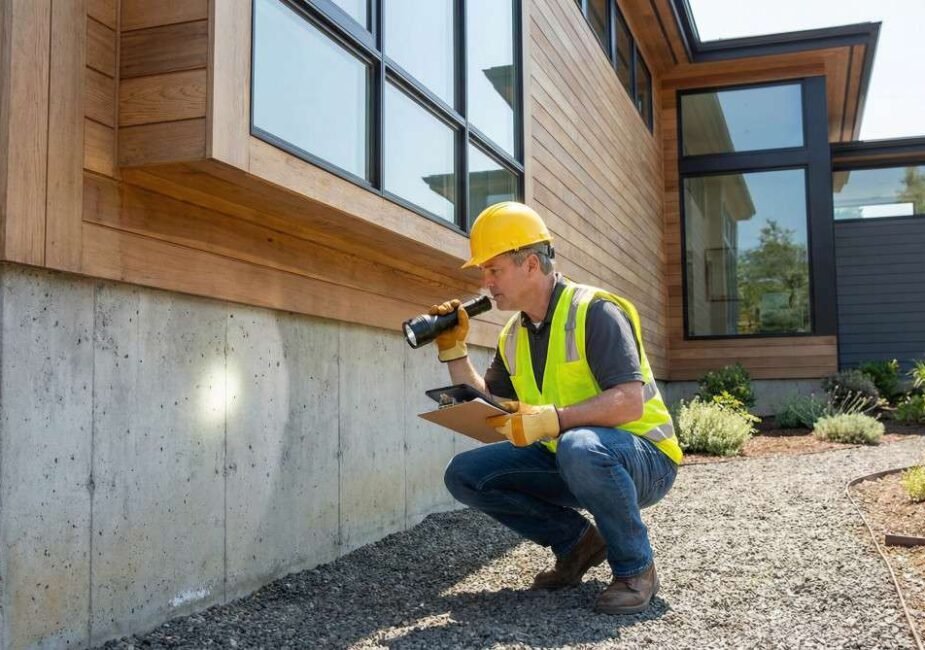
Buying a home is one of the most significant financial and emotional investments a person can make, often blending the excitement of a new beginning with the anxiety of potential hidden costs. While a property may look pristine during a walkthrough, the true condition of its structure and systems lies beneath the surface. This is where a professional evaluation becomes indispensable, providing a clear-eyed look at the property’s health before the final papers are signed. Understanding exactly what to look for in a home inspection allows buyers to distinguish between minor cosmetic flaws and major systemic failures that could lead to thousands of dollars in unforeseen repairs, emphasizes Holland Property Management. By focusing on the critical areas of a home, from its foundation to its electrical wiring, you can ensure that your dream home does not transform into a financial burden shortly after closing.
The Structural Core: Foundation, Roof, and Exterior
A home inspection primarily focuses on the structural integrity of the property, including the foundation, roof, and exterior walls. Buyers should look for significant cracks, sagging rooflines, and signs of water damage, as these issues often represent the most expensive repairs. According to the International Association of Certified Home Inspectors (InterNACHI) (2024), structural defects are among the most common reasons for a failed inspection, often requiring specialized engineering assessments if severe issues are identified.
Foundation and Framing
The foundation is the most critical component of any building, as it supports the entire weight of the structure. During an inspection, it is essential to look for horizontal cracks in the basement walls or “stair-step” patterns in the exterior brickwork, which often indicate significant settling or soil pressure. While minor vertical cracks are common as a house ages, any gap wider than a quarter-inch should be a cause for concern. Additionally, checking for doors and windows that stick or floors that slope can reveal underlying framing issues that may have been masked by recent renovations.
Roofing and Gutters
The roof serves as the first line of defense against the elements, making its condition a top priority for any homebuyer. An inspector will typically look for missing, curling, or cracked shingles, as well as the presence of excessive granules in the gutters, which suggests the roofing material is reaching the end of its lifespan. Proper drainage is equally important; gutters must be securely attached and directed away from the foundation to prevent water from pooling and causing basement leaks. According to the National Roofing Contractors Association (NRCA) (2023), most asphalt shingle roofs have a lifespan of 20 to 25 years, so knowing the age of the roof is a vital piece of information during the inspection process.
Major Systems: Electrical, Plumbing, and HVAC
Evaluating a home’s major systems involves checking the safety and functionality of the electrical wiring, plumbing pipes, and heating/cooling units. Inspectors look for outdated components like knob-and-tube wiring or galvanized pipes, which may require immediate replacement for insurance and safety reasons. According to the National Fire Protection Association (NFPA) (2023), faulty electrical wiring is a leading cause of residential fires, making this a top priority during any home inspection.
Electrical Safety and Capacity
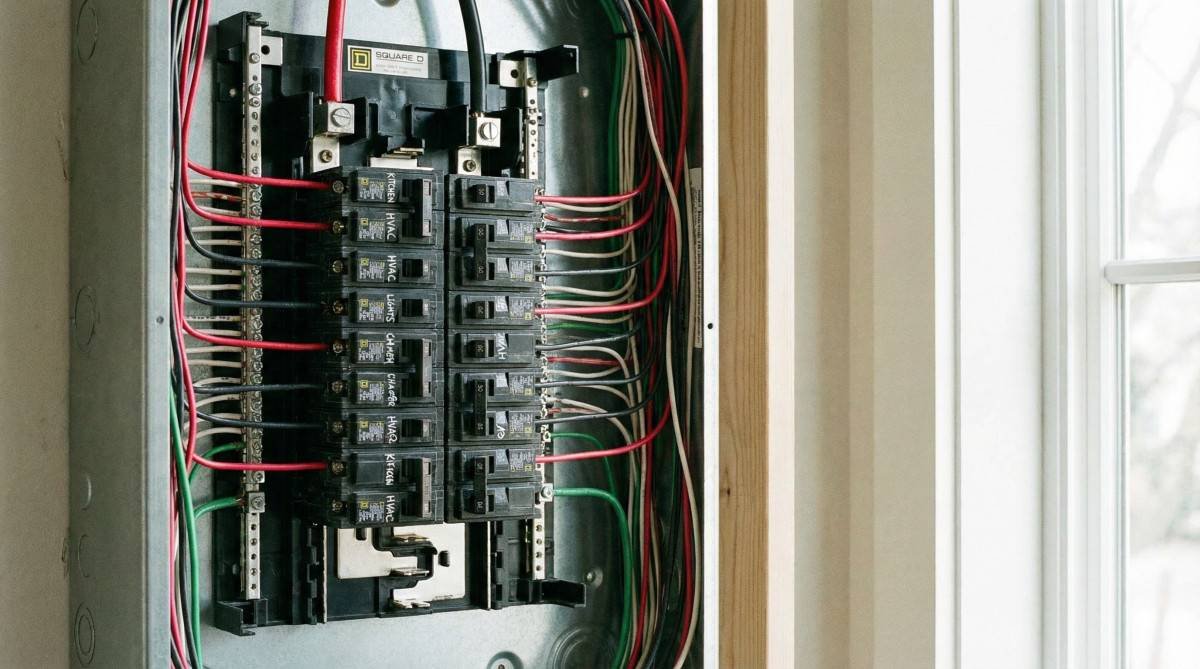
The electrical panel is the heart of a home’s electrical system, and its capacity must meet the demands of modern living. A typical home should have at least 100-amp service, though 200-amp is preferred for larger households with multiple high-draw appliances. Beyond capacity, an inspector will check for double-tapped breakers, frayed wiring, and the presence of Ground Fault Circuit Interrupter (GFCI) outlets in kitchens and bathrooms to ensure safety in wet areas. Any signs of amateur wiring or ungrounded outlets should be addressed immediately to prevent electrical hazards.
Plumbing Integrity and Water Pressure
Plumbing issues can range from a minor annoyance to a major catastrophe if left unchecked. An inspector will check for leaks under all sinks, the condition of the water heater, and the overall water pressure throughout the home. According to the American Society of Home Inspectors (ASHI) (2024), water heaters have an average lifespan of 10 to 12 years, so any unit approaching this age should be noted for potential replacement. Additionally, checking for the presence of lead pipes or galvanized steel is crucial, as these materials can affect water quality and pressure over time.
HVAC Performance
The heating, ventilation, and air conditioning (HVAC) system is one of the most expensive components of a home to replace. During an inspection, the technician will test both the heating and cooling cycles to ensure they are functioning correctly, regardless of the current season. This includes checking for proper airflow, the condition of the air filters, and any unusual noises or odors during operation. A well-maintained HVAC system not only ensures comfort but also contributes to better indoor air quality and lower energy bills.
Interior Red Flags: Mold, Pests, and Hidden Damage
Interior inspections identify hidden hazards such as mold growth, pest infestations, and evidence of past water intrusion. Buyers should pay close attention to ceilings for water stains and the smell of mildew in basements, as these often indicate underlying systemic failures. According to the Environmental Protection Agency (EPA) (2024), any visible mold growth larger than 10 square feet should be handled by a professional remediation specialist to ensure safety and proper removal.
While an inspector uses specialized tools, a buyer can perform simple sensory checks to identify potential issues. The “Sniff Test” involves checking for musty odors in basements, attics, and under sinks, which often point to hidden mold or slow leaks. The “Squish Test” is used on bathroom floors and around window sills; if the surface feels soft or spongy under pressure, it likely indicates subfloor rot or long-term water damage that has compromised the wood’s integrity.
Identifying Mold and Mildew
Mold thrives in damp, poorly ventilated areas, making it a common find in older homes or those with previous plumbing issues. An inspector will look for discoloration on walls, ceilings, and inside cabinets, particularly in bathrooms and kitchens. While some mold is purely cosmetic, certain types can pose significant health risks and indicate a larger moisture problem that must be resolved at the source.
Pest Infestations and Wood Damage
Termites and other wood-destroying organisms can cause significant structural damage that is often invisible to the naked eye. An inspector will look for “mud tubes” on foundation walls, hollow-sounding wood, and discarded wings near windowsills. According to the National Pest Management Association (NPMA) (2023), termites cause over $5 billion in property damage annually in the United States, making a specialized pest inspection a wise addition to any general home evaluation.
Beyond the Basics: Specialized Inspections and Negotiation
While a general inspection covers the basics, specialized tests for radon, lead paint, or sewer lines are often necessary depending on the home’s age and location. These findings provide critical leverage for price negotiations or repair requests before the final closing. According to the Environmental Protection Agency (EPA) (2024), radon is the second leading cause of lung cancer in the United States, so any home in a high-risk area should be tested regardless of its age.
| Inspection Finding | Suggested Buyer Response | Negotiation Strategy |
|---|---|---|
| Structural/Foundation Issues | Request professional engineering assessment. | Negotiate for seller repair or substantial price reduction. |
| Roof Reaching End of Life | Get quotes for full replacement. | Ask for seller credit toward new roof at closing. |
| Outdated Electrical/Plumbing | Request upgrade to modern standards. | Negotiate for repairs or a credit to cover immediate safety issues. |
| Mold/Pest Infestations | Require professional remediation with warranty. | Make repair a mandatory condition for closing the deal. |
| Cosmetic Flaws | Note for future DIY projects. | Generally not used as a negotiation point for price reduction. |
FAQ: Common Home Inspection Questions
How much does a home inspection cost?
A typical home inspection costs between $300 and $500, though larger or older homes can range up to $1,000. This fee is a small price to pay for the peace of mind and potential savings it provides.
Who pays for the home inspection?
The buyer typically pays for the inspection, as it is primarily for their benefit and protection. This ensures the inspector is working in the buyer’s best interest, not the seller’s.
How long does a home inspection take?
Most inspections take between two and four hours, depending on the size and complexity of the property. Buyers are encouraged to attend the inspection to see any issues firsthand.
What are the most common home inspection fails?
The most common “fails” include roofing issues, electrical hazards, plumbing leaks, and structural foundation cracks. While a home doesn’t technically “fail,” these are the most significant deal-breakers.
Is a home inspection mandatory?
While not always legally required, most mortgage lenders require a home inspection as part of the loan approval process to protect their investment in the property.
Can I do my own home inspection?
While you can certainly look for obvious issues, a professional inspector has specialized tools and training to find hidden problems that an untrained eye would likely miss.
Conclusion
A thorough home inspection is more than just a formality; it is a critical tool for any homebuyer looking to make a smart and secure investment. By understanding what to look for in a home inspection, from the structural core to the major systems and interior red flags, you can navigate the buying process with confidence. Use the inspection report as a guide for negotiations and a roadmap for future maintenance, ensuring that your new home remains a safe and valuable asset for years to come.
References
- InterNACHI (2024). International Association of Certified Home Inspectors Standards of Practice.
- NRCA (2023). National Roofing Contractors Association: Roofing Lifespan and Maintenance.
- NFPA (2023). National Fire Protection Association: Residential Electrical Fire Safety.
- ASHI (2024). American Society of Home Inspectors: Plumbing and Water Heater Lifespan.
- EPA (2024). Environmental Protection Agency: Mold Remediation and Radon Safety.
- NPMA (2023). National Pest Management Association: Termite Damage Statistics.
Last modified: April 14, 2026