What Are Contingencies in Real Estate? A Complete Buyer’s Guide
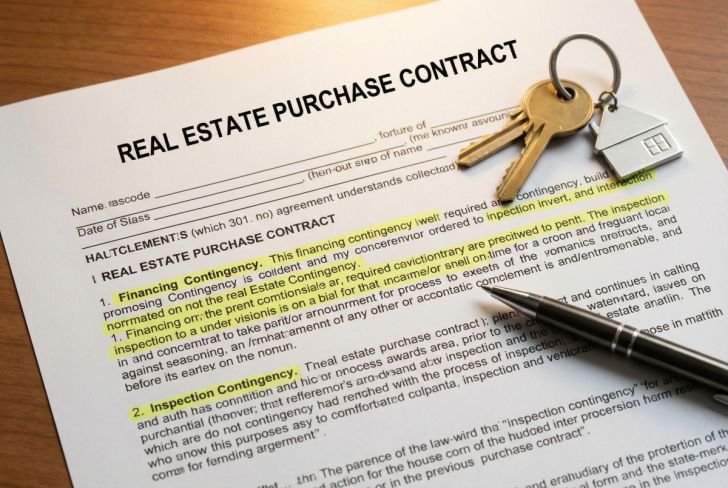
When making an offer on a home, buyers have the ability to include contingencies — conditions that must be satisfied before the sale can proceed to closing. Understanding what contingencies in real estate are, how they work, and when to use them is essential for protecting your financial interests during a home purchase. This guide explains the most common contingency types, what happens when they are not met, and how to navigate contingency decisions in competitive markets.
What Are Real Estate Contingencies?
A real estate contingency is a condition written into a purchase contract that must be fulfilled for the transaction to proceed. If the condition is not met within the specified timeframe, the buyer typically has the right to withdraw from the contract and receive a full refund of their earnest money deposit, mentions TrueNest Oakland Park. Contingencies protect buyers from being legally obligated to purchase a property that fails to meet agreed-upon criteria.
Contingencies are negotiated between buyer and seller at the time of the offer. Sellers generally prefer fewer or no contingencies because they reduce certainty of closing. Buyers benefit from contingencies because they provide legal off-ramps if problems arise. In competitive markets, buyers sometimes waive contingencies to make their offers more attractive, which carries meaningful financial risk.
Home Inspection Contingency
The home inspection contingency gives the buyer the right to have the property professionally inspected within a specified period (typically 7–14 days after contract acceptance). If the inspection reveals significant defects, the buyer can request repairs, negotiate a price reduction, or withdraw from the contract without penalty.
A standard home inspection covers the structure, foundation, roof, electrical systems, plumbing, HVAC, and other major components. Buyers may also commission specialized inspections for radon, mold, pest infestation, sewer lines, or oil tanks, depending on the property’s age and location.
The inspection contingency is one of the most important protections available to buyers. Waiving it to strengthen an offer exposes the buyer to potentially significant undisclosed repair costs. If waiving is considered, a pre-offer walkthrough with a contractor can provide some protection.
Financing (Mortgage) Contingency
The financing contingency protects buyers who are obtaining a mortgage to purchase the property. It stipulates that the sale is contingent on the buyer securing a loan with specified terms (loan amount, interest rate, and type) within a defined period. If the buyer cannot obtain financing, they may withdraw and recover their earnest money.
Even buyers with pre-approval letters benefit from a financing contingency, as pre-approval is not a guarantee of final loan approval. The lender’s underwriting process, appraisal, and title review can all surface issues that prevent final approval. Common reasons financing falls through include appraisal shortfalls, changes in the buyer’s financial situation, and title defects.
The financing contingency period typically runs 21–30 days. Buyers should work closely with their lender to meet all documentation requests promptly and avoid delays that could jeopardize the contingency deadline.
Appraisal Contingency
The appraisal contingency protects buyers when the lender’s appraisal values the property below the agreed purchase price. If the appraisal comes in low, the buyer can renegotiate the price, make up the difference in cash, or withdraw from the contract. Without this contingency, the buyer is obligated to close at the contract price regardless of the appraised value.
In a rising market, appraisals frequently lag behind contract prices, creating appraisal gaps. Some buyers address this by including an appraisal gap clause — agreeing to cover a specified dollar amount of any gap between the appraised value and the contract price — while retaining the right to withdraw if the gap exceeds that amount.

Home Sale Contingency
A home sale contingency makes the purchase of a new property contingent on the buyer successfully selling their current home within a specified period. This contingency protects buyers from owning two properties simultaneously, but it makes offers significantly less competitive in seller’s markets.
Sellers who accept a home sale contingency often include a kick-out clause, which allows them to continue marketing the property and accept a better offer. If a new offer is received, the original buyer typically has 24–72 hours to remove the home sale contingency and proceed, or release the seller from the contract.
Title Contingency
The title contingency allows the buyer to withdraw if a title search reveals defects that cannot be resolved — such as liens, encumbrances, boundary disputes, or ownership claims — that would prevent the buyer from receiving clear title to the property. Title insurance protects against future claims, but a clear title at closing is a prerequisite for most mortgage lenders.
Title issues are more common with properties that have changed hands multiple times, gone through foreclosure, or have been subject to estate proceedings. A title company or real estate attorney conducts the title search as part of the closing process.
Common Contingencies at a Glance
| Contingency | What It Protects Against | Typical Timeframe |
|---|---|---|
| Home inspection | Undisclosed defects | 7–14 days |
| Financing | Inability to obtain a mortgage | 21–30 days |
| Appraisal | Property valued below contract price | Tied to financing period |
| Home sale | Owning two properties simultaneously | 30–60 days |
| Title | Title defects preventing clear ownership | Tied to closing date |
| HOA review | Unacceptable HOA rules or finances | 3–7 days |
Risks of Waiving Contingencies
Waiving contingencies to strengthen an offer in a competitive market transfers significant risk to the buyer. Waiving the inspection contingency means accepting the property in its current condition, including any undisclosed defects. Waiving the financing contingency means the buyer’s earnest money is at risk if financing falls through. These decisions should be made with full awareness of the financial exposure involved.
Buyers who waive contingencies should take compensating steps: conduct a pre-offer inspection, obtain full loan commitment (not just pre-approval) before waiving the financing contingency, and ensure sufficient cash reserves to cover potential post-closing repairs or appraisal gaps.
Frequently Asked Questions
What happens to earnest money if a contingency is not met?
If a contingency is not satisfied within the specified timeframe and the buyer exercises their right to withdraw, the earnest money deposit is typically returned in full. If the buyer withdraws for a reason not covered by a contingency, the seller may be entitled to keep the earnest money as liquidated damages.
Can a seller refuse to accept contingencies?
Sellers can reject any offer that includes contingencies they find unacceptable. In competitive markets, sellers often receive multiple offers and may favor those with fewer contingencies. Buyers can attempt to negotiate by offering a higher price, larger earnest money deposit, or shorter contingency periods in exchange for the seller accepting contingencies.
How long do contingency periods typically last?
Contingency periods vary by type and local market norms. Inspection contingencies typically run 7–14 days. Financing contingencies typically run 21–30 days. Home sale contingencies may extend 30–60 days or longer. Shorter contingency periods are more attractive to sellers but require buyers to act quickly.
What is a contingency removal?
A contingency removal is a formal written notice from the buyer to the seller indicating that a specific contingency has been satisfied or waived. Once a contingency is removed, the buyer loses the right to withdraw from the contract based on that condition. In some states, contingencies are removed automatically when the deadline passes without action.
Can contingencies be added after an offer is accepted?
Generally, contingencies must be included in the original offer or negotiated as part of a counteroffer. Adding contingencies after a contract is signed requires the mutual agreement of both buyer and seller through a written addendum. Sellers are under no obligation to accept new contingencies after contract execution.
Is a home inspection contingency the same as a home inspection?
No. A home inspection is the physical examination of the property by a licensed inspector. The home inspection contingency is the contractual clause that gives the buyer the right to conduct that inspection and take action based on the results. You can have a home inspection without a contingency, but without the contingency, you cannot use the inspection findings to withdraw from the contract or renegotiate.
What is an escalation clause and how does it relate to contingencies?
An escalation clause is a provision in an offer that automatically increases the buyer’s offer price by a set increment above any competing offer, up to a maximum amount. It is not a contingency but is often used alongside contingencies in competitive bidding situations. Sellers may require proof of the competing offer before the escalation clause is triggered.
Conclusion
Contingencies in real estate are essential protective tools for buyers, providing legal and financial safeguards against unforeseen problems during the purchase process. Understanding each contingency type, its purpose, and the risks of waiving it empowers buyers to make informed decisions — whether in a balanced market where full contingency protection is standard, or in a competitive market where strategic contingency decisions can make the difference between winning and losing a desired property.
Last modified: April 14, 2026