The Role of Electricians in Modern Homes
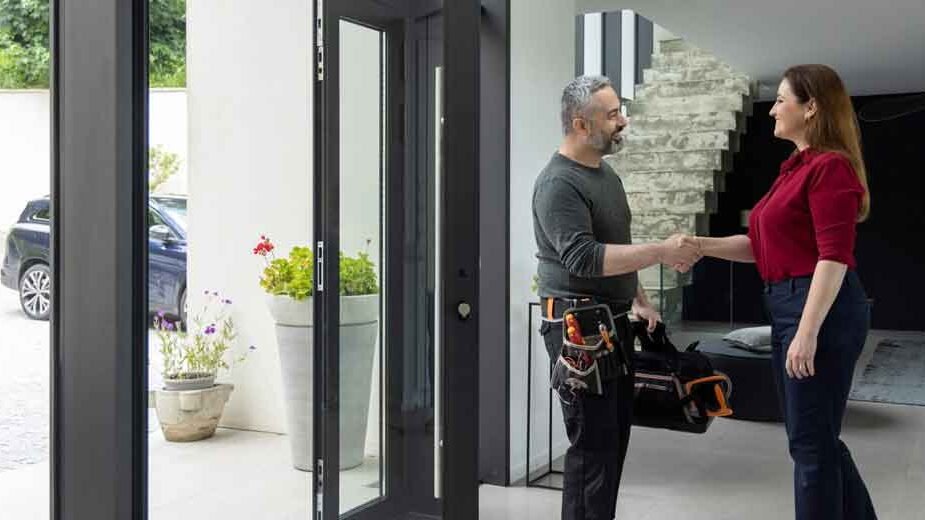
Modern homes depend on electricity more than ever before, observes leading property management Pitt County NC company, House in Order. From lighting and climate control to communication, security, and entertainment, nearly every daily activity relies on a stable electrical system. Electricians play a central role in making sure these systems function safely and reliably as homes become more complex. Their work goes far beyond fixing faulty outlets or installing switches. Electricians help homes adapt to evolving technologies, rising power demand, and heightened safety standards. As lifestyles evolve and electrical usage grows, their role continues to expand, shaping how homes operate, remain safe, and support modern living without constant disruption.
Electricians in Today’s Homes
- Building the Electrical Foundation of Modern Living
Electricians are responsible for creating the electrical backbone that allows modern homes to function smoothly. During construction or renovation, they design and install wiring systems that safely and efficiently distribute power throughout the home. This includes planning circuit layouts, load distribution, and panel capacity to match household needs. Modern homes often require far more power than older designs due to appliances, home offices, and digital devices. Electricians ensure that systems can handle this demand without overload or instability. Their work provides the foundation for reliable power delivery, allowing homeowners to use multiple devices simultaneously without interruptions. A properly designed electrical system also supports future expansion, reducing the need for disruptive changes as technology advances.
- Supporting Technology and Smart Home Integration
As homes become increasingly connected, electricians play a key role in integrating new technologies. Smart lighting, automated climate controls, security systems, and charging stations all depend on precise electrical planning. Electricians ensure these systems receive consistent power and communicate effectively with control hubs. When homeowners rely on electrician services, they gain support in adapting their homes to new technologies without compromising safety or performance. Electricians also help balance traditional electrical needs with modern automation, ensuring that convenience features do not strain existing systems. Their involvement allows technology to enhance daily living rather than introduce complexity or risk.
- Improving Home Safety and Risk Prevention
Safety remains one of the most important aspects of an electrician’s role in modern homes. Electrical hazards, such as overloaded circuits, damaged wiring, and improper grounding, can lead to fires or shock hazards if not addressed. Electricians identify and correct these issues before they escalate. They ensure that protective devices function correctly and that installations meet current safety standards. As homes age or change, electricians reassess systems to confirm continued safety. This proactive approach reduces hidden risks and protects both occupants and property. By maintaining safe electrical conditions, electricians help modern homes remain secure environments even as electrical usage increases.
- Energy Efficiency and Responsible Power Use
Electricians also contribute to energy efficiency by helping homeowners manage electricity use. Efficient electrical systems reduce waste, support stable performance, and align with energy-conscious lifestyles. Electricians evaluate load distribution, lighting systems, and control setups to reduce unnecessary consumption. They help ensure power flows efficiently rather than being lost due to outdated wiring or imbalanced circuits. As energy awareness grows, electricians help homeowners adapt systems to support responsible use without sacrificing comfort. Their work supports long-term cost control while maintaining reliable access to electricity for everyday needs.
- Maintenance, Adaptation, and Long-Term Reliability
Modern homes are not static, and electricians help systems adapt over time. Renovations, new appliances, and changing lifestyles can place new demands on electrical systems. Electricians assess how existing infrastructure will respond to these changes and make adjustments to preserve reliability. Routine evaluations and updates prevent gradual system decline that might otherwise go unnoticed. By supporting long-term reliability, electricians help homeowners avoid sudden disruptions and costly repairs. Their role includes planning for the future, ensuring that electrical systems remain capable of supporting evolving household needs without constant intervention.
Electricians play a vital role in shaping how modern homes function, remain safe, and adapt to change. From building foundational systems to supporting smart technology, their work touches nearly every aspect of daily life, ensuring safety, efficiency, and long-term reliability. As electrical demand increases and homes become more connected, the importance of skilled electrical planning and maintenance continues to grow. Electricians ensure that power supports comfort and convenience without introducing unnecessary risk. Their role is not limited to repairs; it also includes guiding homes through ongoing technological and lifestyle shifts. In modern living, electricians are essential partners in creating stable, functional, and adaptable homes.
Last modified: January 6, 2026