The Process of Bringing a Damaged Home Back to Livable Condition
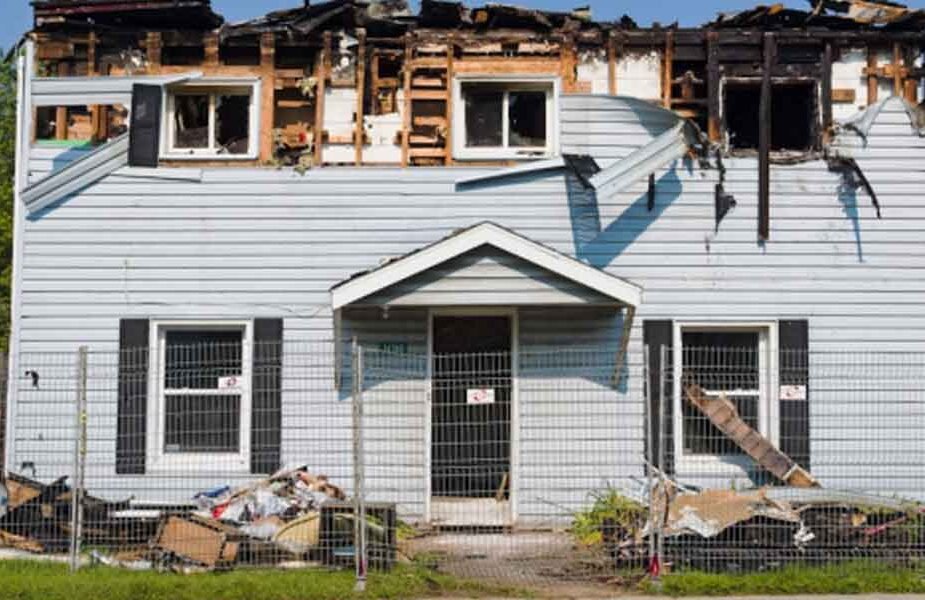
A damaged house changes how people live almost instantly. Rooms that once handled daily routines suddenly stop working the way they should. Floors may be soaked, walls stained, or parts of the structure may simply feel unsafe to use. In those moments, the priority shifts from decoration or comfort to something much more basic: getting the home back to a condition where normal life can happen again.
Restoring a house after serious damage usually follows a sequence of steps. One task prepares the way for the next. Water must come out before the walls can dry. Surfaces must be cleaned before repairs can begin. The process may feel slow at first, though each stage moves the property closer to functioning like a home again.
Professional Assessment Begins the Restoration Process
The first real step in bringing a damaged property back usually starts with someone walking through the house and looking closely at what actually happened. Damage often spreads farther than people expect. Water might travel under flooring, smoke may settle into areas that look untouched, and structural materials can weaken without showing obvious signs from the outside.
This evaluation gives everyone a picture of what must happen next. Restoration teams often handle this stage because they know where to look and what warning signs to watch for. Companies such as RestorePro Disaster Cleanup & Restoration typically begin by documenting damage and outlining the work required to stabilize and rebuild the property so it can return to everyday use.
Water Removal Often Comes First
Water tends to cause the fastest damage inside a house. It spreads quickly, sinks into materials, and keeps moving until it finds the lowest point in the structure. Floors absorb it, drywall softens, and furniture begins to deteriorate within a short period.
Because of that, removing water becomes one of the earliest priorities. Restoration crews use pumps and extraction equipment to pull water from floors, carpets, and other surfaces. Once the majority of the water is gone, the property becomes safer to move around in, and the next stage of recovery can begin.
Securing the Property Prevents Further Damage
After the immediate crisis, parts of the house may remain exposed. Windows could be broken, doors might not close properly, or sections of the roofing may have been damaged. Leaving the house open like that creates new risks.
Temporary protection helps avoid those problems. Covering exposed areas, stabilizing damaged sections, and closing off entry points keep the property protected while restoration continues.
Drying and Dehumidification Stabilize the Interior
Removing visible water doesn’t mean the house is dry. Moisture often stays trapped inside walls, insulation, and wood framing. That hidden dampness can linger long after the water disappears from the surface.
Drying equipment and dehumidifiers help pull that remaining moisture out of the structure. Fans circulate air while machines remove humidity from the environment. Gradually, the building materials return to a stable condition, which allows the rest of the restoration work to move forward.
Smoke and Soot Cleaning Restores Surfaces
After a fire, the damage often spreads well beyond the areas touched by flames. Smoke particles travel through the house and settle onto ceilings, walls, and furniture. The residue leaves behind dark stains and a strong smell that lingers in the air.
Cleaning those surfaces requires careful work. Technicians remove soot and residue from affected areas so the materials underneath can be restored or repaired. Once that layer of contamination is gone, the house begins to feel closer to its original condition, and the rebuilding stage can begin.
Removing Contaminated Materials Protects the Home
Sometimes cleaning alone is not enough. Certain materials absorb water, smoke, or debris so deeply that they cannot be restored. Insulation, sections of drywall, or flooring may hold contamination inside them even after surface cleaning.
In those situations, removing the affected materials becomes necessary. Taking them out prevents hidden damage from spreading to other parts of the house.
Plumbing Systems Need Careful Inspection
Plumbing often suffers quietly during disasters. Pipes may shift during structural movement, seals may loosen, or hidden leaks may begin after flooding. Such issues are not always visible right away.
A thorough inspection helps catch those problems. Checking pipes, drains, and connections allows technicians to repair weaknesses before the rebuilding phase continues.
Mold Remediation Addresses Lingering Moisture
Moist environments create the conditions where mold can begin forming. After water damage, mold may appear behind walls, under flooring, or in areas where moisture remains trapped.
Remediation focuses on removing affected materials and treating the surrounding areas. Specialists isolate the problem and clean the space so mold cannot continue spreading through the home. This stage helps stabilize the indoor environment before reconstruction begins.
Odor Removal Helps the Home Feel Normal Again
Smoke, moisture, and contaminated materials often leave lingering smells that settle into fabrics, walls, and ventilation systems.
Restoration teams use specialized treatments to remove those odors rather than simply covering them. As the smells fade, the house gradually begins to feel comfortable again, which is an important part of returning the property to everyday use.
Cleaning and Sanitizing Improves the Living Environment
After debris is removed and contaminated materials are cleared away, deep cleaning begins. Dust, residue, and particles left behind from the disaster must be removed from surfaces throughout the home.
Sanitizing those areas prepares the property for the final rebuilding work. Floors, walls, and fixtures become safe to use again, and the interior begins to look far closer to the home people remember.
Rebuilding Walls and Flooring Restores Structure
Once the home is clean and stable, reconstruction can begin. New drywall, flooring, and interior finishes gradually return rooms to their original shape.
This stage is often where the transformation becomes visible. Spaces that once held damage start looking like functional rooms again. Walls are repaired, surfaces are finished, and the layout begins to feel familiar.
Exterior Repairs Protect the Home from the Elements
While interior work moves forward, the outside of the house often requires attention as well. Roofing, siding, and windows protect the home from the weather, and any damage to those areas must be repaired.
Fixing the exterior seals the building properly. Rain, wind, and outside debris stay out, allowing the interior restoration to remain protected long after the work is finished.
Cleaning and Organizing Brings Daily Life Back
The final stage focuses on restoring everyday functionality. Furniture returns to its place, appliances are reinstalled, and personal belongings move back into the rooms where they belong.
This step marks the point where the house truly feels livable again. Instead of a construction site, it becomes a home where routines can return, and families can move forward after the disruption.
Restoring a damaged home moves through a sequence of stages that stabilize the structure, remove hazards, and rebuild the living spaces piece by piece. Each stage plays a role in returning the property to a condition where daily life can happen again.
Last modified: March 13, 2026