The Hidden Costs of Running Your Own Server Room
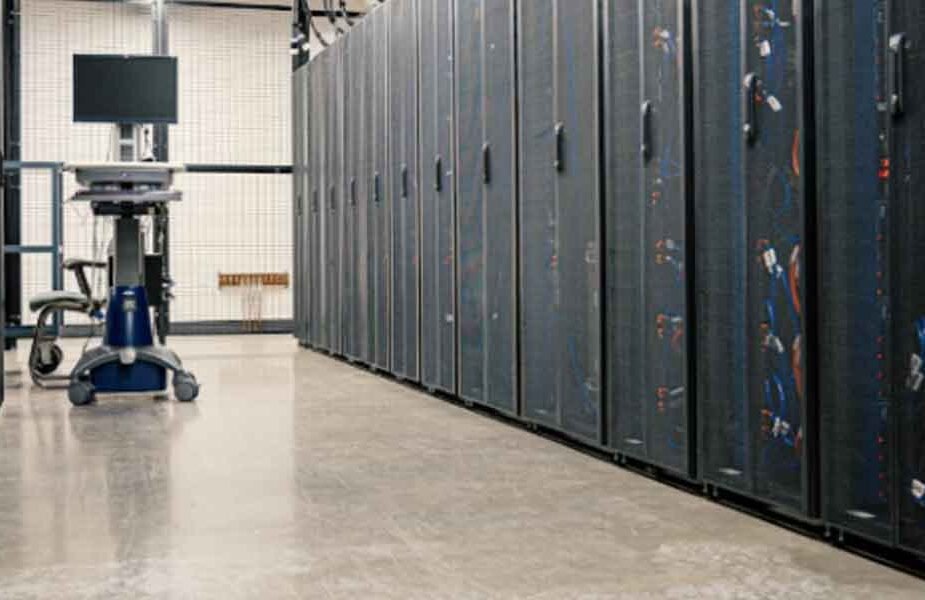
In San Antonio, many businesses still run important systems from a small server room inside their own building. It might sit in a back office, a closet, or a space that was never designed for serious equipment. At first, this setup feels practical because everything stays nearby. But over time, hidden costs begin to show up. The room needs more cooling, more power support, and stronger security than most people expect. Even small issues like overheating or a short outage can create major disruptions. Many IT teams end up spending more time keeping the room stable than improving technology for the business. Understanding these overlooked costs helps companies make smarter choices before problems grow.
The Space You Don’t Get Back
A server room takes up more than just a few square feet. In many offices, space is already limited, and every room has value. When you dedicate an area to servers, you lose the chance to use it for staff, storage, or meeting space. The cost becomes even higher when the room needs special changes like raised floors, ventilation, or sound control. Businesses often start small, but equipment tends to grow over time. What once fit in one corner may expand into racks, cables, and backup systems. That space becomes locked into one purpose, and relocating later can be expensive and disruptive. This is where local San Antonio colocation services can make a real difference. Instead of using valuable office space, businesses can place their servers in a professional data center designed for growth. Colocation facilities provide secure rooms, proper cooling, reliable power, and staff support, allowing companies to scale without rebuilding their own infrastructure.
Cooling Problems That Keep Growing
Servers generate heat all day and all night. A normal office air conditioner was not built to handle that kind of constant demand. Many businesses learn this quickly during the hotter months, when indoor temperatures rise and cooling systems struggle. Once the room gets too warm, equipment performance can drop, and failures become more likely. Cooling upgrades often cost more than expected because they involve electrical work, airflow planning, and ongoing maintenance. Even after installation, the system needs regular checks to stay reliable. Without proper cooling, a server room becomes a risk instead of a solution.
Backup Power Is More Than a Battery
Power outages do not happen every day, but when they do, the impact can be immediate. Businesses that rely on in-house servers need a backup plan that goes beyond a basic battery unit. A UPS can provide short-term support, but it needs testing, monitoring, and eventual replacement. For longer outages, companies may need generators, which come with fuel, maintenance, and installation costs. Many businesses underestimate how much work backup power requires. Without a strong system in place, even a brief loss of electricity can lead to downtime, data issues, and a stressful recovery process.
Security Becomes Your Full-Time Job
Keeping servers on-site means your business becomes responsible for physical security. It is not enough to lock the door and hope for the best. Server rooms need controlled access, monitoring, and clear policies about who can enter. Visitors, vendors, or even employees without IT clearance can create risks if access is not managed properly. Equipment theft and accidental damage are real concerns. Businesses may also need cameras, logging systems, and stronger entry controls over time. Security adds another layer of cost and attention, and it becomes one more thing IT teams must manage daily.
Maintenance Never Really Ends
Owning a server room means taking care of hardware all the time. Servers need updates, health checks, and occasional repairs to stay reliable. Fans wear out, drives fail, and parts become harder to replace as systems age. Even small problems can turn into bigger ones if no one catches them early. Many businesses also forget to plan for equipment replacement every few years, which can create sudden budget pressure. IT staff often spend hours handling routine maintenance instead of focusing on projects that move the business forward. When you run everything in-house, maintenance becomes a constant responsibility, not a one-time task.
Downtime Costs More Than It Seems
When servers go down, the impact reaches far beyond the IT department. Employees may lose access to files, business applications may stop working, and customer service can slow down quickly. Even short downtime can disrupt meetings, sales, and daily operations. For companies that rely on online systems, outages can also affect customers directly. The cost is not just financial. It also affects trust, productivity, and internal stress. Many businesses only realize how dependent they are on their server room after an unexpected failure happens. Preventing downtime requires strong planning, monitoring, and investment, which adds to the hidden cost.
Compliance Gets Harder Over Time
Data protection rules have become more demanding across many industries. Businesses often need to meet requirements for secure storage, access control, and system monitoring. When servers sit in a private office building, meeting these expectations can take extra work. IT teams must manage documentation, security practices, and ongoing reviews. Even if a business is not heavily regulated, customers still expect strong protection for sensitive information. Keeping up with best practices requires time, training, and sometimes outside support. Compliance is not a one-time project. It becomes an ongoing part of managing an in-house server room, and it adds cost over time.
Growth Creates New Infrastructure Pressure
As a business grows, its technology needs grow too. More employees, more customers, and more data all require more server capacity. A server room that worked fine for a small setup may struggle once demand increases. Scaling up often means adding racks, improving cooling, expanding power, and upgrading network connections. These changes can be expensive and difficult in a typical office environment. Growth can also happen faster than expected, leaving IT teams rushing to make space and prevent performance issues. Running servers on-site may feel manageable early on, but scaling becomes a major challenge over time.
Running your own server room may seem like a practical choice at first, but the long-term costs often surprise businesses. Space limitations, cooling demands, rising power needs, security concerns, and constant maintenance all add up over time. Downtime risks and growing compliance expectations make the responsibility even heavier. As companies expand, the pressure on a small in-house setup increases, and upgrades become harder to manage. Understanding these hidden costs helps business leaders make better decisions about their infrastructure. Whether a company stays in-house or looks for a different solution, the goal remains the same: keeping systems stable, secure, and ready to support growth.
Last modified: March 19, 2026