Professional Auto Detailing vs DIY: What’s the Difference?
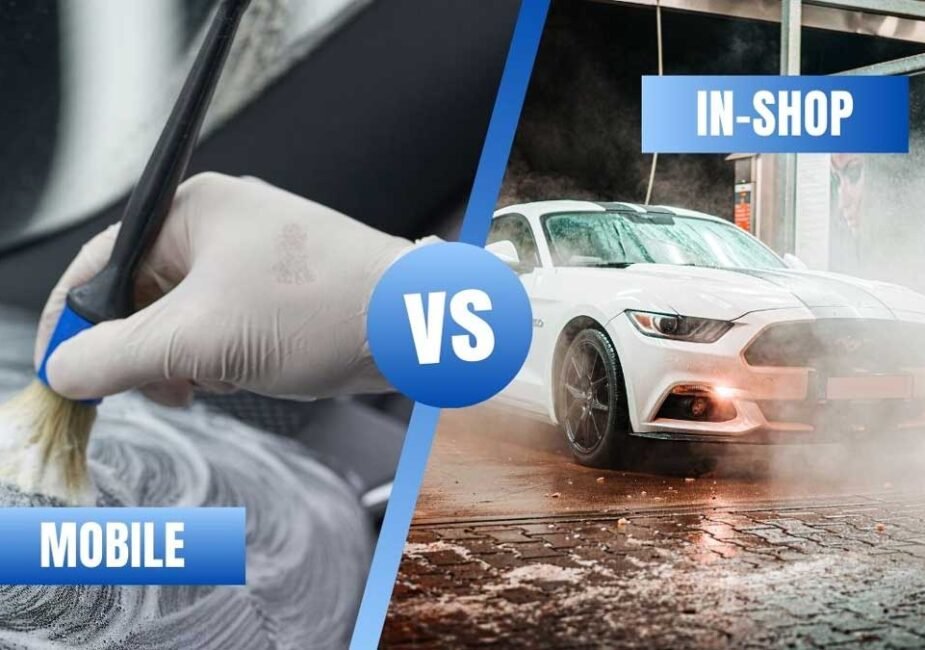
Keeping a vehicle clean is often seen as a basic responsibility, yet true vehicle care involves far more than a quick wash and vacuum. Auto detailing plays a major role in protecting paint, preserving interior materials, and maintaining overall value. Car owners frequently face a decision. Should detailing be handled personally at home, or is professional auto detailing the smarter investment?
At first glance, the difference may seem minor. Both approaches aim to clean and refresh a vehicle. In reality, the gap between professional auto detailing and DIY efforts is substantial. The distinction affects results, durability, time commitment, and even long term ownership costs.
Understanding how these two approaches differ helps vehicle owners choose the right path based on expectations, budget, and lifestyle.
Understanding What Auto Detailing Really Means
Auto detailing goes far beyond standard washing. A basic wash removes loose dirt from exterior surfaces. Detailing focuses on restoring and protecting every part of the vehicle, inside and out.
Exterior detailing includes careful hand washing, decontamination to remove bonded particles, paint correction to address scratches and swirl marks, and the application of protective layers. Interior detailing involves deep cleaning carpets, upholstery, leather, plastics, and hard to reach areas where dust and bacteria accumulate.
DIY detailing usually focuses on surface level cleanliness. Professional detailing addresses hidden damage, long term wear, and environmental exposure that most car owners overlook.
Experience and Technique Matter
One of the most important differences between professional and DIY detailing is experience.
Professional detailers train extensively to understand paint systems, interior materials, and chemical behavior. Modern vehicles use advanced clear coats, sensitive electronics, and specialized finishes that require precise handling. Professionals know how much pressure to apply, which products are safe, and how to achieve correction without causing harm.
DIY detailers often rely on general advice or online tutorials. While helpful, these sources cannot fully replicate hands-on expertise. Inexperience increases the risk of paint damage, uneven polishing, stained upholstery, or faded trim.
Small mistakes during DIY detailing can result in permanent damage that costs far more to repair than professional detailing would have cost initially.
Tools and Products Make a Difference
Professional auto detailing relies on tools designed for precision and safety. Commercial grade polishers, foam cannons, steam cleaners, extraction machines, and high quality microfiber towels allow professionals to clean thoroughly without causing surface damage.
The products used in professional detailing are also selected with care. Paint safe shampoos, targeted cleaners for specific interior materials, and advanced protective coatings all play a role in delivering consistent results.
DIY detailing typically relies on consumer grade tools and general purpose products. While some perform adequately, they lack the refinement and efficiency of professional equipment. Limited tools often mean limited results, especially when dealing with paint defects or deep interior contamination.
Time Commitment and Efficiency
Time is a major factor that separates DIY detailing from professional work.
A thorough DIY detail can take most of a day, sometimes an entire weekend. Washing, drying, cleaning wheels, vacuuming, treating interior surfaces, and applying protection all require patience and physical effort. For someone without experience, the process takes even longer.
Professional detailers work efficiently because they follow proven systems. What might take a full day at home can often be completed in a fraction of the time by a trained professional, without sacrificing quality.
For people with demanding schedules, professional detailing provides clean results without disrupting daily routines.
Quality and Consistency of Results
The difference in finish is often immediately visible.
Professional detailing produces a deeper shine, smoother paint, and a noticeably cleaner interior. Stains are properly removed rather than partially masked. Odors are eliminated at the source instead of being covered by fragrances.
DIY detailing can improve appearance, especially on vehicles that are already well maintained. However, achieving uniform results across paint, trim, glass, and interior surfaces is challenging without professional tools and experience.
Consistency is another factor. Professional detailers deliver reliable outcomes every time. DIY results can vary depending on time, technique, and product selection.
Cost Considerations Over Time
DIY detailing appears less expensive at first. Basic supplies are affordable, and there is no labor cost. Over time, however, expenses increase as products run out, tools wear down, and mistakes require correction.
Professional detailing involves a higher upfront cost. That cost reflects expertise, equipment, and the time required to complete the work properly. When performed regularly, professional detailing can reduce long term expenses by preserving paint, preventing interior deterioration, and maintaining resale value.
In many cases, professional detailing saves money by preventing damage that would otherwise require costly repairs or repainting.
Convenience and Lifestyle Fit
DIY detailing offers flexibility. Vehicle owners can clean their cars on their own schedule and take satisfaction in hands-on work. For enthusiasts who enjoy car care, this process can be rewarding.
Professional detailing offers convenience in a different form. Many detailers provide mobile services that come directly to the customer. This eliminates travel, waiting, and disruption to the day.
For drivers in San Diego County, Mobile Auto Detailing Services San Diego County allows vehicles to receive professional care at home or at work, combining expert results with maximum convenience.
Long Term Protection and Vehicle Health
Professional detailing focuses heavily on protection.
Paint sealants, waxes, and coatings create barriers against UV rays, oxidation, salt air, and road debris. Interior treatments protect leather, vinyl, and plastics from cracking, fading, and drying out.
DIY detailing often emphasizes cleaning but overlooks protection or applies it incorrectly. Without proper protection, vehicles quickly show signs of wear, especially in sunny or coastal environments.
Consistent professional detailing extends the lifespan of both exterior and interior surfaces, keeping vehicles looking newer for longer.
Environmental Impact
Professional detailers often use water efficient systems and environmentally conscious products. Many mobile detailers minimize runoff and follow local regulations regarding water usage.
DIY car washing can use excessive water and allow contaminants to enter storm drains. Without proper disposal practices, this can negatively affect local waterways.
Choosing professional detailing can reduce environmental impact while still maintaining a clean vehicle.
When DIY Detailing Works Well
DIY detailing can be effective for light maintenance. Regular washing, interior vacuuming, and quick wipe downs help keep a vehicle presentable between professional visits.
DIY care is also suitable for car owners who enjoy learning about vehicle maintenance and have the time to practice proper techniques. When done carefully, basic DIY detailing supports overall cleanliness.
When Professional Detailing Is the Better Choice
Professional detailing is ideal for vehicles with heavy use, visible paint defects, stubborn interior stains, or strong odors. It is also the preferred choice for luxury vehicles, leased cars, and vehicles being prepared for sale.
Professional detailers address issues that DIY methods cannot resolve safely or effectively. Their work restores appearance while protecting long term value.
Choosing the Right Approach
Many vehicle owners find that combining both approaches works best. Light cleaning at home maintains appearance, while periodic professional detailing handles deep cleaning and protection.
This balanced strategy delivers excellent results without requiring constant effort or risking damage from advanced DIY techniques.
Conclusion
The difference between professional auto detailing and DIY care extends far beyond price. It involves expertise, equipment, time investment, and long term results. DIY detailing offers control and affordability but comes with limitations. Professional detailing provides superior quality, protection, and convenience that is difficult to match at home.
Choosing the right approach depends on personal priorities, vehicle condition, and available time. Regardless of the path taken, consistent detailing remains one of the most effective ways to protect a vehicle’s appearance, comfort, and value for years to come.
Last modified: January 23, 2026