Ignore It Now, Regret It Later: Common Home Problems That Escalate
Leading company, McKenna & Vane Property Management team notes that comfort at home comes from small details that work quietly to keep each space steady and pleasant. A reliable roof, balanced temperature, and well-maintained structure shape the feeling of ease people enjoy when they settle into their routines. These elements rarely draw attention when everything runs smoothly, yet they matter more than most homeowners realize.
Small issues tend to hide behind walls, under floors, or inside essential systems, and they often seem harmless at first glance. Once these early signs go unnoticed, the problems grow, spread, and become harder to reverse. A proactive approach keeps everyday comfort intact and prevents minor concerns from turning into costly headaches.
Roof Damage That Starts Small
A roof protects everything inside the home, which is why small patches of discoloration or a few loose shingles should never go unnoticed. Minor wear often appears harmless, yet moisture moves through unexpected paths once the surface barrier weakens. Water can slip behind insulation, stain ceilings, and soften wooden beams.
Many homeowners notice these indicators only after the damage has spread far beyond the source. Regular inspections create opportunities to catch early issues before they reach living spaces. Seasonal checks help identify small gaps, missing granules, or early signs of rot. A little attention also prevents mold from settling inside dark attic corners.
Faulty HVAC Systems That Strain Over Time
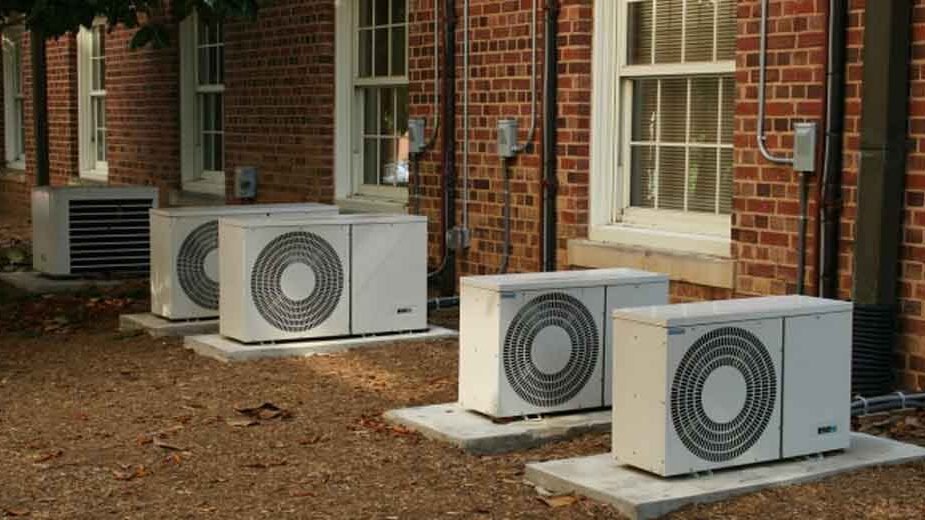
Heating and cooling equipment often shows stress long before it stops working. When a system struggles to maintain temperature, it sends subtle warnings like inconsistent airflow or sudden spikes in energy use. Many homeowners overlook these changes because the unit still runs, even as mechanical strain increases—especially in heating systems that work hardest during colder months.
Loud rattles, uneven warmth, and frequent cycling are common signs of a failing furnace, particularly when the home starts feeling less comfortable. Recognizing these clues early allows technicians to fix worn components and clogged filters before major repairs are needed. Regular maintenance helps keep indoor air steady, reliable, and comfortable year-round.
Plumbing Issues That Spread Beyond Pipes
A slow drain or small puddle under the sink might seem like an easy fix, yet plumbing problems rarely stay confined to one place. Water follows hidden paths behind walls, under floors, or across substructures. Even a tiny leak can soften drywall, warp floorboards, or attract mold that settles into places that are hard to reach.
The early stages of plumbing trouble are often silent. A faint odor, a slight drop in pressure, or a damp cabinet corner can signal a deeper issue. Regular checks of exposed pipes, faucets, and under-sink areas reduce the chance of unnoticed leaks. When homeowners respond promptly, they prevent water from spreading into spaces that require costly restoration.
Electrical Concerns That Put Safety at Risk
Electrical systems age in ways that can be easy to ignore. Lights that flicker at random times or outlets that feel warm need careful attention. These signals suggest that circuits are carrying too much load or that wiring has begun to weaken. Delayed action increases safety risks, and small electrical faults can escalate without warning.
A home with reliable power feels calm and predictable, which is why periodic evaluations matter. Electricians can identify worn components, loose connections, or outdated installations that place strain on the system. A careful review protects both the home and the people living in it.
Foundation Problems That Emerge Quietly
Foundation issues often begin with subtle changes. A hairline crack along a wall or a slight slope in the flooring might appear harmless at first glance. Soil movement, moisture changes, and natural settling place stress on the foundation over long periods. Once the structure begins shifting, doors may stop closing smoothly, or windows may stick.
These are more than small inconveniences. They indicate that the home’s base needs attention before larger structural concerns develop. Early intervention prevents misalignment and keeps the overall structure stable. Homeowners who track small changes protect their property from long-term damage.
Pest Activity That Grows Unnoticed
Pests often slip into a home long before anyone realizes they are there. A small gap near a window frame or a loose section of siding can create an easy path for insects or rodents. Once inside, they settle into dark corners, insulation, or crawl spaces where they stay hidden. Early signs usually appear as faint scratching sounds, tiny droppings, or damaged food packaging.
These clues deserve quick attention because pests spread quickly and cause more than simple annoyance. They can chew wires, contaminate surfaces, weaken insulation, and create unhealthy conditions. Sealing entry points and scheduling routine inspections stop problems before they take over areas that are harder to treat.
Poor Ventilation That Affects Indoor Health
Fresh airflow supports a comfortable home, yet ventilation concerns often develop quietly. Rooms that feel stuffy, windows that gather condensation, and lingering odors signal that air circulation has slowed. Moisture collects in places that lack proper movement, which encourages mold to grow.
The air begins to feel heavy, and the indoor environment loses its balance. Bathrooms, attics, and kitchens need steady airflow to stay dry and healthy. Exhaust fans, vents, and air pathways require occasional checks to keep them clear. Attention to these systems ensures that indoor air remains crisp and comfortable throughout the year.
Exterior Neglect That Leads to Bigger Repairs
The exterior of a home sets the tone for everything inside. Peeling paint, loose siding, or clogged gutters may not seem urgent at first. These small signs indicate that protective layers have started to weaken. Exposure to rain, heat, and cold places puts constant stress on outer surfaces. Water can slip behind worn siding and settle into the walls.
Paint that begins to crack allows moisture to seep in, which leads to rot. Gutters filled with leaves allow water to pool near the foundation. Routine upkeep goes a long way. Cleaning gutters, repainting surfaces, and checking for damaged sections protect the home from weather-related deterioration.
Homes stay comfortable when early warning signs receive timely attention. Small cracks, faint noises, or slight changes in temperature often point toward problems that grow when ignored.
A steady routine of inspections, quick repairs, and simple maintenance helps preserve the ease and peace every homeowner values. When minor issues get resolved promptly, the entire space feels more dependable, healthier, and better prepared for the future.
Last modified: January 6, 2026