How to Get Rid of Ants from Home: A Complete Expert Guide
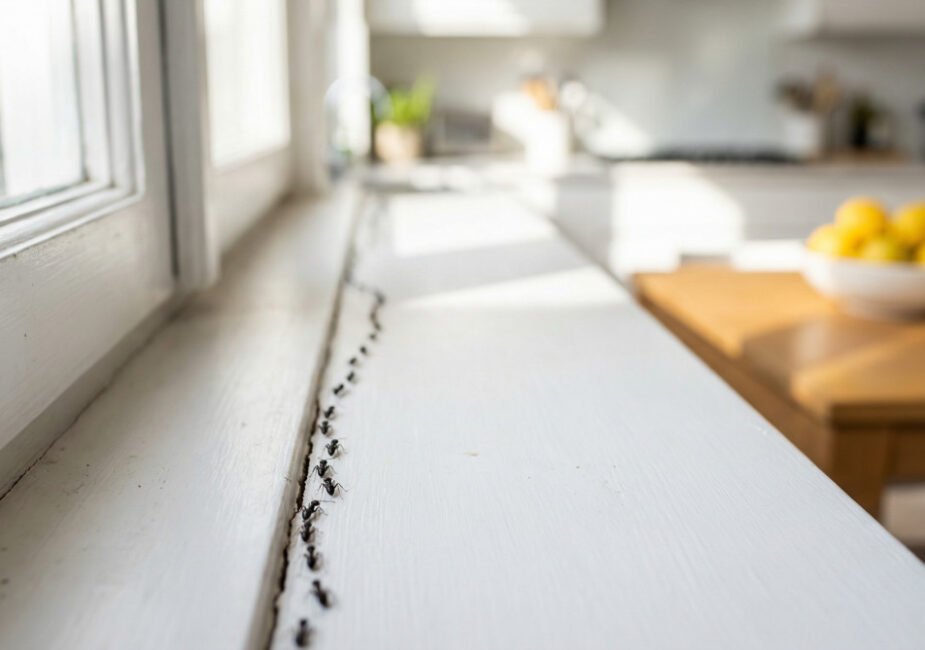
To get rid of ants from home permanently, you must eliminate the entire colony by using slow-acting baits that worker ants carry back to the queen. Simply spraying visible ants only kills about 10% of the population, while a combination of baiting, sealing entry points, and removing food sources provides a comprehensive, long-term solution for any infestation, shares RENTit Colorado professionals.
The appearance of a single ant on your kitchen counter is rarely an isolated incident; it is often the first sign of a sophisticated scouting operation. These “scout ants” leave behind invisible pheromone trails that act as a high-speed navigation system for thousands of their nestmates. Once a scout finds a viable food source, it returns to the colony, reinforcing the trail and signaling others to follow. Understanding this biological behavior is the first step in regaining control of your living space. Instead of reaching for a quick-kill spray that only alerts the colony to relocate, a more strategic approach focuses on using the ants’ own social structure against them.
Identifying Common Household Ant Species
Identifying common household ant species is critical for selecting the correct management strategy, as different species exhibit unique feeding preferences and nesting behaviors. While most indoor ants are harmless, some can cause structural damage or contaminate food, making accurate identification the cornerstone of any successful pest control plan for your home.
According to Oregon State University (2023), the odorous house ant (Tapinoma sessile) is the most common house-infesting ant in the Pacific Northwest, easily recognized by the rotten coconut smell it emits when crushed. These ants are highly opportunistic, moving their nests frequently to stay near food and moisture sources. In contrast, pavement ants (Tetramorium caespitum) are often found in driveways and sidewalks, though they frequently venture indoors to forage for sweets and greasy foods. Their small size and dark color make them difficult to distinguish without close inspection, yet their nesting habits require different exclusion techniques compared to their odorous counterparts.
| Feature | Odorous House Ant | Pavement Ant |
|---|---|---|
| Appearance | 1/8 inch, dark brown/black | 1/8 inch, dark brown/black |
| Distinctive Trait | Smells like rotten coconut when crushed | Small stingers, visible ridges on head |
| Nesting Site | Near moisture (kitchens, bathrooms) | Under slabs, driveways, or floorboards |
| Diet Preference | Sweets, honeydew, protein | Grease, sweets, seeds, and insects |
Seasonal behavior analysis reveals that ant activity typically peaks during late spring and early summer when colonies are rapidly expanding and foraging for protein to feed the developing larvae. During periods of heavy rain or extreme heat, ants are often driven indoors in search of stable temperatures and reliable moisture. This seasonal surge often catches homeowners off guard, but understanding these cycles allows for proactive prevention. By anticipating their arrival based on local weather patterns, you can implement barriers before the first scout ant ever crosses your threshold.
Natural Home Remedies for Immediate Control
Natural home remedies for immediate control are effective for repelling ants and disrupting their pheromone trails without introducing harsh chemicals into your living environment. Using a simple 1:1 mixture of white vinegar and water, or applying essential oils like peppermint, creates a sensory barrier that sends scouts scurrying back to their nest.
According to Bug Out Service (2024), vinegar solutions are a simple and effective home remedy to kill ants on contact and deter them from returning to the same area. The acidic nature of vinegar erases the invisible scent trails that ants use to navigate, effectively isolating foragers from the rest of the colony. When applied to door frames, window sills, and countertops, this solution acts as a natural deterrent that is safe for use in kitchens and around food preparation areas. While vinegar is highly effective at repelling ants, it does not eliminate the colony, making it a powerful first line of defense rather than a standalone solution.
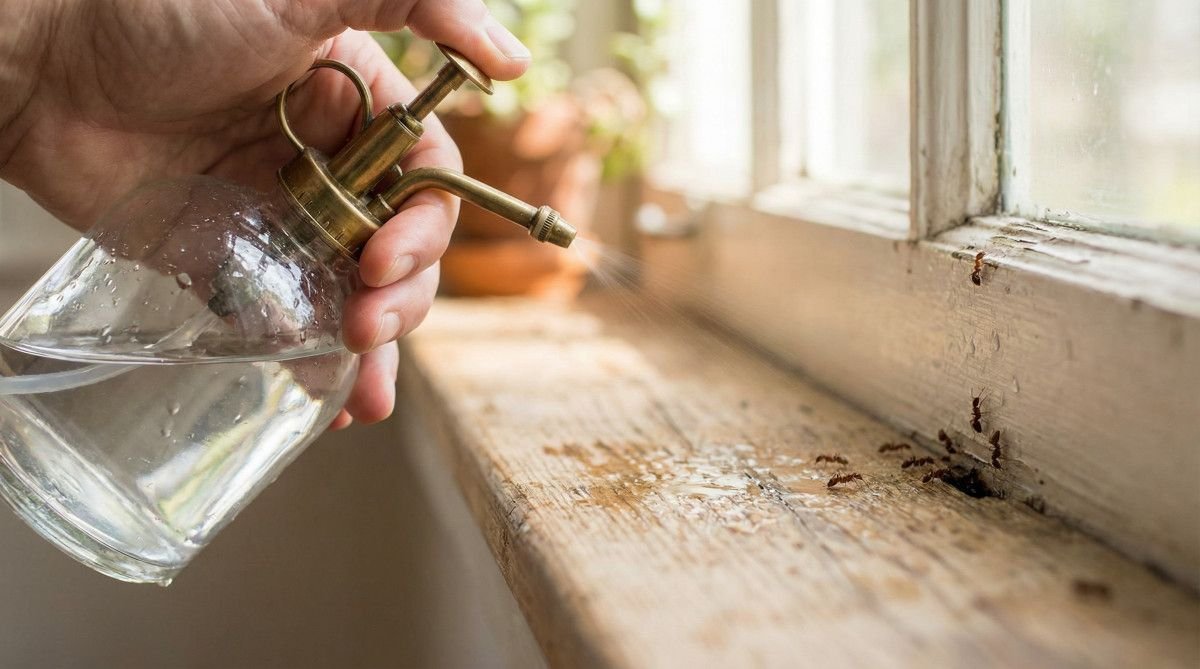
Essential oils provide an additional layer of protection by utilizing the ants’ acute sense of smell against them. Peppermint and tea tree oils are particularly potent, as their strong scents overwhelm the ants’ sensory organs and make an area uninhabitable. A few drops of peppermint oil on a cotton ball placed near entry points can act as a long-lasting repellent that also leaves your home smelling fresh. For larger areas, a spray bottle filled with water and a dozen drops of essential oil can be used to treat baseboards and crevices where ants are known to enter. This approach is highly effective for immediate control, though it requires regular reapplication to maintain its potency over time.
Advanced Baiting Strategies for Colony Elimination
Advanced baiting strategies for colony elimination are the most effective way to solve an ant infestation because they use the ants’ own social structure to deliver poison directly to the queen. By providing a slow-acting bait that worker ants find attractive, you ensure that the entire nest is poisoned within days, resulting in total colony collapse.
According to Good Housekeeping (2026), liquid ant baits like Terro are highly effective because they contain a mixture of sugar and borax that worker ants carry back to the nest to share with their nestmates. The borax is a natural mineral that disrupts the ants’ digestive system, but its slow action allows the ants to return to the colony and feed the queen before they die. This “Trojan Horse” approach is essential for long-term control, as it addresses the source of the infestation rather than just the symptoms. For best results, place bait stations near ant trails but avoid using sprays or cleaners in the same area, as this will prevent ants from reaching the bait.
A common mistake homeowners make is killing the first few scout ants they see, but this actually hinders the baiting process. Scout ants are the primary way the colony finds food, and by allowing them to return to the nest after feeding on the bait, you ensure that more workers will follow the trail. The key to successful baiting is patience, as it may take several days for the bait to be distributed throughout the entire colony. Once the bait is in place, you should see an initial increase in ant activity as more foragers are recruited, followed by a rapid decline as the colony begins to die off. This strategic approach is far more effective than using quick-kill sprays, which only provide temporary relief and can cause the colony to split and relocate.
Structural Prevention and Long-Term Exclusion
Structural prevention and long-term exclusion are the final steps in getting rid of ants from home, as they focus on making your property less attractive and more difficult for ants to enter. By sealing cracks in the foundation, repairing leaky pipes, and maintaining a clean environment, you create a physical barrier that prevents new colonies from establishing themselves.
According to J.C. Ehrlich (2026), sealing entry points like gaps around windows and doors is a critical component of any long-term ant control strategy. These tiny openings are the primary way ants gain access to your home, and by using caulk or weatherstripping to close them, you can significantly reduce the risk of a future infestation. In areas where ants are particularly persistent, such as near baseboards or under sinks, a combination of caulk and steel wool can be used to create a durable barrier that ants cannot chew through. This physical exclusion is far more effective than chemical sprays, as it provides a permanent solution that doesn’t require regular reapplication.
Crawl space and foundation maintenance is another often overlooked aspect of structural prevention, as these areas provide a stable environment for ants to nest and forage. By ensuring that crawl spaces are well-ventilated and free of moisture, you can make them less attractive to moisture-loving species like odorous house ants. Additionally, maintaining a clear perimeter around the foundation of your home by removing mulch, leaf litter, and overhanging branches will reduce the likelihood of ants finding their way indoors. This holistic approach to prevention addresses the environmental factors that attract ants in the first place, providing a long-term solution that is both effective and environmentally friendly.
Frequently Asked Questions
How do I get rid of ants permanently in my house?
To get rid of ants permanently in your house, you must eliminate the entire colony by using slow-acting baits and sealing all entry points with caulk or weatherstripping. This dual approach ensures that existing nests are destroyed and new ones are prevented from entering.
What smells keep ants away?
Smells that keep ants away include strong scents from peppermint oil, tea tree oil, and white vinegar, which disrupt their pheromone trails and sensory organs. Applying these natural repellents near entry points creates an effective barrier that ants are reluctant to cross.
How long will vinegar keep ants away?
Vinegar will keep ants away for as long as the scent remains strong, typically a few hours to a day, depending on the concentration and environment. Regular reapplication is necessary to maintain its effectiveness as a repellent and trail disruptor.
What is an ant’s worst enemy?
An ant’s worst enemy is a combination of meticulous sanitation, physical exclusion, and slow-acting bait that poisons the entire colony, including the queen. By removing their food sources and sealing their entryways, you make your home a hostile environment for any ant species.
Is borax safe to use for ant control around pets?
Borax is generally safe to use for ant control around pets when placed in secure bait stations that are inaccessible to animals, though it can be harmful if ingested in large quantities. Always follow the manufacturer’s instructions and keep baits out of reach of children and pets.
Why do ants keep coming back after I spray them?
Ants keep coming back after you spray them because most quick-kill sprays only target the foraging workers and do not reach the queen or the rest of the colony. This can cause the nest to split and relocate, leading to a persistent infestation that requires a more strategic baiting approach.
Conclusion
Getting rid of ants from home requires a multi-step approach that combines immediate control with long-term prevention and colony elimination. By understanding the behavior of common household species and using the right tools for the job, you can regain control of your living space and ensure that your home remains ant-free for years to come. Whether you choose natural remedies or professional-grade baits, the key to success is persistence and a commitment to maintaining a clean, well-sealed environment that is less attractive to these persistent pests.
Last modified: April 14, 2026