How Manufacturers Optimize Power for Real-World Conditions
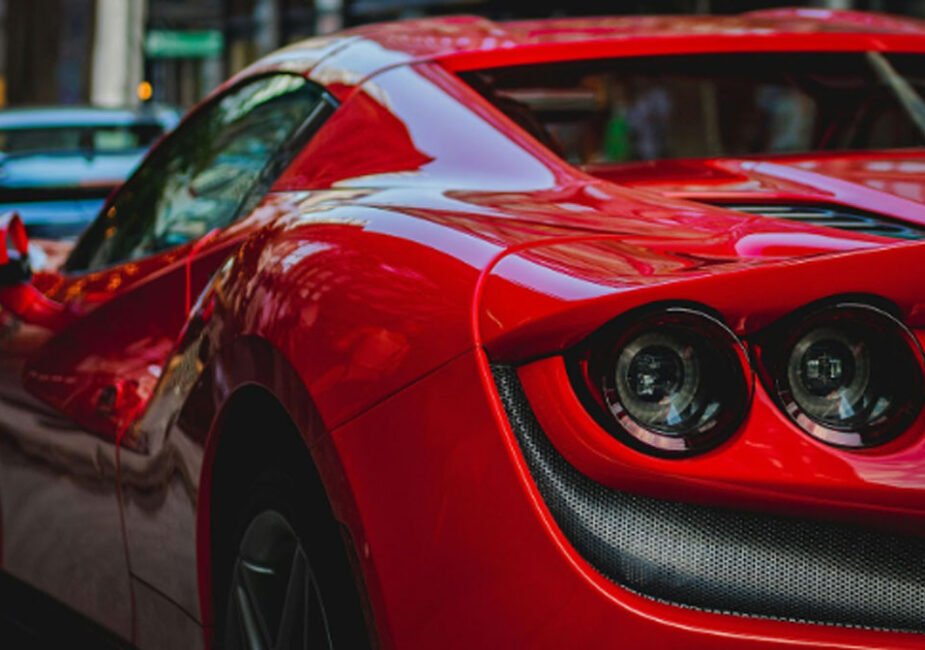
Car brochures love big horsepower numbers. They shine a spotlight on peak torque. These figures are exciting. They are also somewhat misleading. You rarely drive at the engine’s absolute peak. Real driving is messy. It involves stoplights, hills, passing maneuvers, and heavy loads. Modern manufacturers know this. Their real goal is not maximum power. It is optimized power. They engineer vehicles for the conditions you actually face. This process is a blend of mechanical science and digital intelligence. It makes a car feel responsive and capable in everyday life.
The Foundation: Accessible Power Band
An engine must be flexible. Power cannot live only at high RPM. It needs to be available down low. This is where you drive most often. Engineers focus on the power band. They shape the torque curve. The goal is strong, immediate response from idle speeds. Consider the engineering behind a 3.6 Chevy engine. Technologies like variable valve timing are crucial. They allow the engine to breathe efficiently at different speeds. This creates a broad, flat torque curve. The driver feels a strong, linear pull. This happens without needing to rev the engine wildly. The power is just there when you ask for it.
The Digital Brain: Adaptive Engine Management
The engine computer is the true maestro. It is called the Engine Control Unit, or ECU. This computer never stops working. It reads data from a network of sensors. It knows the air temperature and density. It monitors the throttle position precisely. It listens for knock or ping. The ECU makes constant adjustments. It changes the fuel mixture. It alters the spark timing. It even controls the valve lift in some engines. All this happens in milliseconds. The system adapts to altitude on a mountain road. It adjusts for low-quality fuel. It ensures optimal combustion for every single cylinder firing. The engine always delivers its best possible performance. It works for the real environment it is in.
The Seamless Partner: Smart Transmission Tuning
Engine power means nothing alone. The transmission is its dance partner. Old transmissions hunted for gears. They caused frustrating delays. Modern transmissions are geniuses. They have eight, nine, or ten speeds. Their software is meticulously calibrated. Engineers map shift patterns for hundreds of scenarios. The computer knows you are climbing a steep hill. It holds a lower gear for you. It senses a gentle highway cruise. It selects the tallest gear for efficiency. During a passing maneuver, it kicks down instantly. The shifts are smooth and timely. The right gear is always ready. This keeps the engine in its sweet spot. Power feels immediately available.
The Supporting Role: Intelligent Forced Induction
Turbos and superchargers are not just for power boosts. They are optimization tools. They force more air into the engine. This creates more power from a smaller displacement. This is called downsizing. A small turbocharged engine can act like a much larger one. The key is reducing “turbo lag.” Engineers use twin-scroll or small, fast-spooling turbos. Electric turbochargers are now emerging. They eliminate lag completely. The result is a small, efficient engine. It behaves like a big, powerful one in daily driving. You get the response you want with the fuel savings you need.
The Environmental Adaptation: Altitude and Temperature Compensation
A car must work everywhere. Real conditions are extreme. Air gets thin at high altitude. This starves a traditional engine of oxygen. Power drops dramatically. Modern engines solve this. The ECU and turbocharger work together. The turbo increases boost pressure to compensate for the thin air. The power loss is minimal. Cold weather is another factor. Engines need careful management when cold. The ECU enriches the fuel mixture. It adjusts idle speed. It brings the engine to efficient operating temperature quickly. The driver experiences consistent performance. Weather and location pose no problem.
The Driver Connection: Throttle Response Mapping
Your pedal is not directly connected. It is a request. You press the accelerator. A sensor sends a signal to the ECU. The ECU interprets your request. This allows for different throttle maps. A “Normal” mode might be linear and relaxed. A “Sport” mode sharpens the response. The first inch of pedal travel does more. The car feels more alert and eager. Some systems are even more advanced. They learn your driving style over time. They anticipate your needs. This software layer fine-tunes the driving experience. It makes the power delivery intuitive. The car feels like an extension of your intentions.
The Holistic Goal: System-Wide Integration
Optimization is not a single trick. It is a philosophy. Every vehicle system is tuned together. The engine software talks to the transmission software. The stability control system monitors wheel slip. The electric power steering adjusts its effort based on speed. All these systems share data. They work toward one unified goal. That goal is predictable, manageable, and smooth power. It is power you can use confidently on a wet road. It is power that helps tow a trailer smoothly. The car feels cohesive and competent. This integration is the final secret. It turns a collection of parts into a polished driving machine. The numbers on the spec sheet become a living, responsive experience.
Last modified: February 11, 2026