How do Excavation Contractors Prepare Sites for Successful Construction?
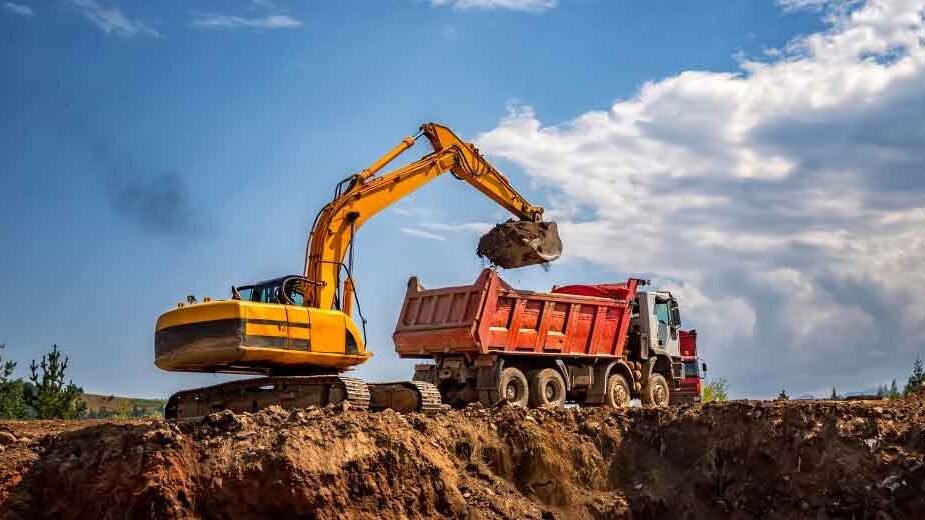
Before any structure rises from the ground, careful preparation must take place beneath the surface. Excavation contractors are responsible for shaping the land so construction can proceed safely, efficiently, and according to plan. Their work involves far more than moving soil; it requires evaluating terrain, managing water flow, and ensuring stable foundations. Every decision made during excavation influences how well a project performs over time. From residential builds to large commercial developments, proper excavation supports structural integrity and long-term durability. Understanding the role of excavation contractors clarifies why their work is essential at the outset of any construction project, notes the San Pedro Property Management team.
What This Process Involves
- Site Evaluation and Ground Assessment
Excavation contractors begin each project by assessing the condition of the land. This includes analyzing soil composition, slope, drainage patterns, and existing structures. Different soil types respond differently to pressure and moisture, so understanding these characteristics is essential for planning excavation depth and technique. Contractors also review project plans to determine how much material must be removed or redistributed. For excavation contractors in Gresham, site evaluation often includes attention to local soil conditions and rainfall patterns that affect stability. Accurate assessment at this stage prevents unexpected complications later in the construction process. Ground evaluation sets the tone for all subsequent excavation activities.
- Equipment Selection and Operational Planning
Once the site is assessed, excavation contractors select equipment suited to the project’s scope and terrain. Machinery selection depends on soil density, access limitations, and the excavation scale required. Contractors plan movement paths to minimize disruption and ensure safe operation. They often rely on high-performance components to maintain machinery reliability and efficiency. Link-Belt 160×4 final drive motor is one example of such a critical component that helps keep heavy equipment performing at peak levels.Fuel management, equipment maintenance, and operator coordination are part of this planning phase. Well-organized operations reduce delays and support consistent progress. Contractors also consider how excavation will interact with nearby properties or infrastructure. Thoughtful planning ensures that excavation work supports, rather than hinders, the overall construction timeline.
- Managing Soil Removal and Redistribution
Excavation contractors carefully manage how soil is removed, stored, or reused. Not all excavated material is waste; some soil may be suitable for backfilling or grading elsewhere on the site. Contractors determine where to place removed soil to maintain accessibility and safety. Improper soil management can lead to compaction issues or drainage problems later. By controlling how soil is handled, contractors help ensure that the site remains stable throughout construction. This approach also supports environmental responsibility by minimizing unnecessary disposal. Effective soil management balances efficiency with long-term site performance.
- Ensuring Proper Drainage and Water Control
Water management is a critical responsibility during excavation. Contractors evaluate how water flows across and beneath the site, particularly in areas prone to heavy rainfall. Poor drainage can undermine foundations and cause erosion. Excavation contractors design slopes, trenches, and grading plans that direct water away from critical areas. Temporary drainage solutions may be implemented during construction to protect the site. Proper water control prevents delays and reduces the risk of structural damage. Attention to drainage during excavation supports the longevity of the entire project.
- Protecting Surrounding Structures and Utilities
Excavation often takes place near existing buildings, roads, or underground utilities. Contractors must identify and protect these elements throughout the process. Utility location services are used to mark gas lines, water pipes, and electrical conduits before digging begins. Contractors adjust excavation techniques to avoid damage and ensure safety. Vibration control and careful sequencing reduce the risk of impacting nearby structures. Protecting surrounding assets is a key part of responsible excavation work and helps maintain trust between contractors, property owners, and communities.
- Grading for Structural Support
Grading is one of the most important tasks excavation contractors perform. Proper grading ensures the site is level where needed and appropriately sloped elsewhere. This supports foundation placement and prevents water accumulation. Contractors use surveying tools to confirm elevation accuracy and alignment with project specifications. Grading errors can lead to uneven load distribution and future settlement issues. By precisely shaping the land, excavation contractors create a reliable foundation for construction. This stage directly influences how well structures perform over time.
- Adapting to Unexpected Conditions
Even with careful planning, excavation projects can encounter unexpected conditions such as buried debris, unstable soil layers, or groundwater. Excavation contractors adapt by reassessing conditions and adjusting methods. This may involve reinforcing excavation walls, modifying drainage plans, or coordinating with engineers. The ability to respond calmly and methodically helps keep projects on track. Flexibility and problem-solving are essential traits in excavation work. Addressing challenges early prevents larger issues from developing during later construction phases.
- Coordination With Other Construction Phases
Excavation contractors work closely with builders, engineers, and inspectors to ensure seamless transitions between project stages. Timing is critical, as excavation delays can affect the entire schedule. Contractors coordinate inspections and approvals to confirm that excavation meets design requirements. Clear communication ensures that subsequent work begins on a properly prepared site. This collaboration supports efficiency and reduces the likelihood of rework. Excavation is not an isolated task but a foundational step that influences all following construction activities.
Excavation contractors play a vital role in preparing land for construction by shaping, stabilizing, and protecting the site. Their work involves careful assessment, precise execution, and ongoing coordination with other professionals. From managing soil and water to protecting nearby structures, excavation decisions influence the success of the entire project. Understanding their role underscores that excavation is more than an initial step—it is the foundation on which safe, durable structures are built.
Last modified: January 28, 2026