Common Home Improvement Mistakes Homeowners Regret
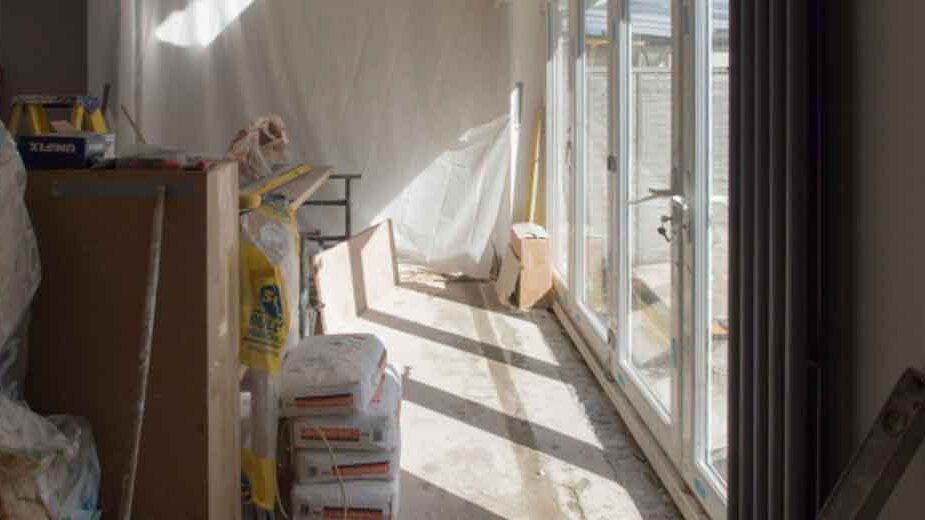
Home improvement projects usually start with excitement. You imagine a home that feels more comfortable, functions better, and fits your lifestyle. Many homeowners jump in with good intentions, only to realize later that something did not go as planned.
In places like Warner Robins, GA, this happens often. Many homes were built years ago, and they now face the demands of modern living, rising energy costs, and long, hot summers. Homeowners often feel pressure to update quickly, which can lead to rushed decisions. Regret usually comes from focusing on surface-level changes while overlooking practical needs. Understanding the most common home improvement mistakes can help homeowners plan better and avoid costly stress later.
Ignoring Major Systems While Focusing on Cosmetic Upgrades
One of the biggest mistakes homeowners make is spending money on how a home looks while ignoring how it works. New paint, floors, or cabinets can make a place look better, but they do not fix comfort issues. When major systems stop working, cosmetic upgrades stop mattering.
In a place like Warner Robins, GA, heating and cooling affect daily life more than most upgrades. Older systems often need constant repairs and still fail to keep the home comfortable. At some point, quick fixes are no longer enough. That is usually when homeowners decide it is time to call a professional for HVAC replacement in Warner Robins, GA, instead of putting more money into temporary solutions.
Handling these core issues first helps avoid stress later. Once the home runs the way it should, cosmetic updates feel more worthwhile and last longer.
Underestimating the True Cost of a Project
Many homeowners set a budget based on surface-level research. They price materials and assume labor will stay simple. Real projects rarely work that way. Hidden issues often appear once work begins. Old wiring, plumbing problems, or structural repairs can quickly add to the total cost.
Another common issue is forgetting about permits and inspections. These steps protect homeowners, but they also cost money and time. Without a cushion in the budget, even small surprises feel overwhelming.
A realistic budget includes a buffer. Setting aside extra funds reduces stress and prevents unfinished projects. Home improvement should feel like progress, not pressure.
Choosing the Cheapest Contractor Without Research
Saving money sounds smart, but choosing a contractor based only on price often leads to regret. Low bids sometimes mean shortcuts, poor materials, or rushed work. These issues may not show up right away, but they surface over time.
Homeowners should look for experience, clear communication, and proper licensing. Reviews and references help paint a fuller picture. A reliable contractor explains the process and sets clear expectations.
Paying a fair price for quality work often costs less in the long run. Repairs and redos quickly add up when corners get cut.
Skipping Energy Efficiency Improvements
Energy efficiency upgrades do not always feel exciting. They do not change how a home looks, but they affect how it feels every day. Many homeowners skip these improvements and regret it later when utility bills stay high.
Simple upgrades like insulation, sealing air leaks, and efficient systems make a big difference. These improvements help homes stay comfortable during extreme weather and reduce monthly costs.
Ignoring efficiency often means spending more over time. Homeowners who plan ahead enjoy better comfort and savings year after year.
Taking on Projects That Should Not Be DIY
Appliance repairs belong in this category as well. Modern appliances rely on electrical components and internal systems that are not suited for DIY fixes. According to Best Solution Appliance Repair, attempting repairs without proper expertise often leads to further damage, higher costs, or safety risks, which is why professional appliance repair is usually the safer option.
DIY projects have become very popular. Online videos make complex tasks look easy. While some projects work well for homeowners, others require skill and experience.
Electrical work, plumbing changes, and structural updates carry real risks. Mistakes can cause damage or create safety hazards. Fixing DIY errors often costs more than hiring a professional from the start.
Knowing personal limits saves time and money. Successful home improvement includes recognizing when expert help makes sense.
Not Planning for Long-Term Living Needs
Many homeowners plan improvements based on what they need right now. This often leads to regret later when life changes. Families grow, kids move out, and daily routines shift. A home that works today may not work as well a few years down the line.
Comfort and accessibility matter more over time than most people expect. Simple features can make a big difference. Better lighting helps with safety. Wider doorways make rooms easier to move through. Easy-to-reach storage and simple layouts reduce daily frustration.
Storage is another issue that gets overlooked. Homes that lack flexible storage often feel crowded later. Planning for extra space early saves the trouble of remodeling again.
Thinking ahead helps homeowners create spaces that adapt instead of limit them. Long-term planning usually means fewer updates later and a home that feels comfortable for many years.
Overlooking Permits and Local Codes
Skipping permits can feel like an easy way to save time. Some homeowners assume permits are only paperwork. In reality, they exist to make sure work is done safely and correctly.
Permits often require inspections, which catch mistakes early. Without these checks, small problems can turn into serious issues later. Electrical and structural errors are common in unpermitted work.
Unpermitted projects can also cause trouble during resale. Buyers may ask questions or request repairs before moving forward. In some cases, homeowners must redo work to meet code, which costs more than doing it right the first time.
Following local rules protects both safety and the value of the home. Permits may slow things down, but they prevent larger problems down the road.
Poor Project Timing
Timing affects every home improvement project. Weather, contractor availability, and material supply all play a role. Rushing a project often leads to mistakes and higher costs.
Some projects work best during certain seasons. Scheduling during peak times may limit options and raise prices. Planning ahead gives homeowners more control.
Good timing reduces stress and improves results. A well-planned schedule allows projects to move smoothly from start to finish.
Home improvement regrets often share the same root cause. Homeowners rush decisions or focus on short-term results. Cosmetic upgrades feel exciting, but function and planning matter more. By thinking ahead and prioritizing smart improvements, homeowners can avoid common mistakes. A thoughtful approach leads to better comfort, lower costs, and long-lasting satisfaction.
Last modified: January 21, 2026