Best Practices for Tree Care in Jackson, MS
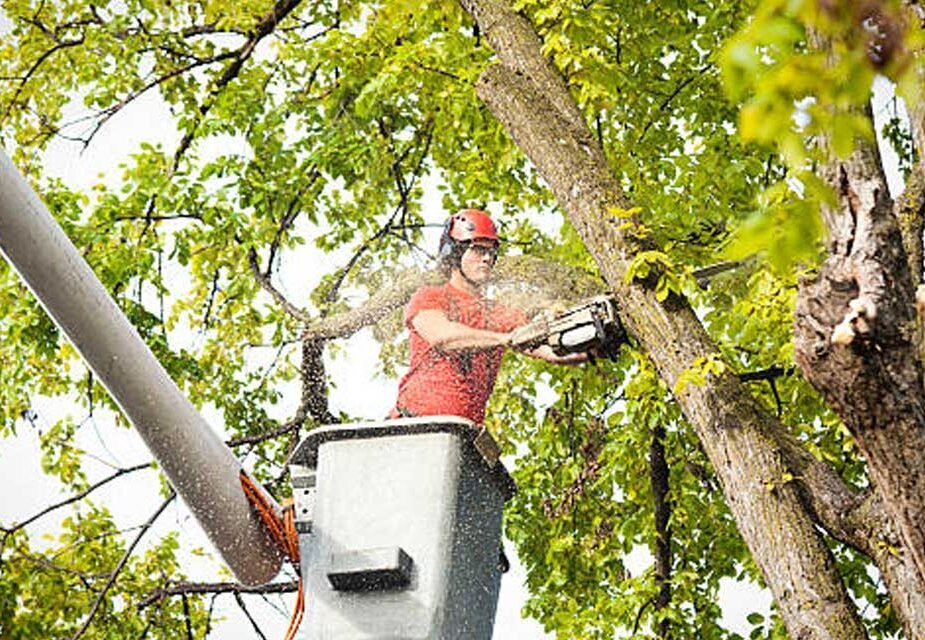
Maintaining healthy trees in Jackson, Mississippi, is not merely a matter of planting and leaving them to grow; it requires a thoughtful understanding of the region’s unique climate, soil profiles, and native trees. The city’s varied weather, from humid summers to mild winters, poses specific challenges for tree caretakers. Ensuring your trees thrive means focusing on their health through regular maintenance, disease prevention, and storm preparation. More than just boosting your landscape’s curb appeal, attentive tree care also increases property value and can prevent hazardous situations, such as falling branches or weak trees during extreme weather events. If these responsibilities feel overwhelming or if you need specialized care, you may want to engage a reputable tree trimming service in Jackson MS. For over 11 years, Heritage Tree Services, an insured and bonded, family-owned company, has provided tree removal, trimming, pruning, stump grinding, and reliable debris cleanup. Their expertise relieves property owners in the Greater Jackson Area of unnecessary risks and contributes to safer, more beautiful neighborhoods.
Understanding Jackson’s Climate and Soil
Jackson, MS, lies in the humid subtropical zone, with summers marked by high temperatures and heavy rainfall. This kind of climate means trees are subject to both drought stress during dry spells and the threat of over-saturation during wet periods, which can affect healthy root growth. An additional challenge comes from the heavily clay-based local soil, which compacts easily. This compaction can make it hard for roots to spread and for water to drain adequately, leading to problems like root rot or poor oxygen availability. Being aware of these constraints is crucial when choosing which trees to plant; success starts with selecting species renowned for their adaptability to local conditions. Southern Magnolia, Live Oak, and Bald Cypress are excellent choices, as they tolerate acidic clay and seasonal shifts in Jackson. Amending planting soils with organic matter, ensuring proper mulching, and watering deeply but infrequently can further encourage robust growth and help buffer trees from the stresses inherent to the area’s environment.
Importance of Regular Pruning
Pruning is an essential practice for effective tree care, particularly in storm-prone areas like Jackson. It improves a tree’s structure, reduces breakage risks, and fosters healthy growth. By removing dead, damaged, or diseased limbs, pruning minimizes the risk of falling branches and addresses safety concerns for residents and property. Well-pruned trees are less susceptible to pests and diseases, as pruning enhances air circulation and sunlight exposure, combating the damp environments that attract these threats. The optimal time for pruning most tree species is during their dormant seasons, such as late winter or early spring, which helps mitigate shock and promotes faster healing before pests become active. Additionally, light canopy thinning increases sunlight penetration to the ground, benefiting lawns and undergrowth and creating a vibrant ecosystem. It is crucial to avoid improper methods such as ‘topping,’ which can cause lasting structural damage and increase vulnerability to disease.
Disease and Pest Management
Managing diseases and pests in Jackson’s trees requires awareness of threats like emerald ash borers and oak wilt. Regular inspections are crucial for spotting symptoms such as discoloration or abnormal growths, as early detection expands treatment options. An Integrated Pest Management (IPM) strategy is recommended, emphasizing prevention and reserving chemical treatments as a last resort. Ensuring trees are healthy through proper watering, mulching, and fertilization boosts their resistance to pests. Promoting beneficial insects, such as ladybugs, helps control harmful pests naturally. For severe infestations or infections, professional spraying or removal services may be necessary to safeguard nearby trees and the landscape.
Storm Preparation and Recovery
Storm preparation and recovery in Jackson require proactive tree care, especially during hurricane season or winter ice events, to minimize damage. Key preparation steps include regular thinning of tree canopies, removal of weak or crossed branches, and ensuring trees are free of deadwood to improve aerodynamics. Before a storm, inspect trees and secure or remove potential airborne objects. After a storm, prioritize safety by avoiding downed power lines and assessing trees for hazards such as ‘widow-makers’, broken branches that could fall, cracks in trunks, and exposed roots. Cleanup should be handled by professionals trained in chainsaw use and in the use of climbing gear, as timely post-storm recovery is crucial for restoring the landscape and reducing ongoing risks from future weather events.
Selecting the Right Tree Care Professional
Choosing the right tree care professional is essential for the health and safety of your family and trees. When choosing a company, make sure they are licensed and insured to reduce liability risks. Select firms with a strong local reputation, such as Heritage Tree Services. Certified arborists have specialized training, allowing them to diagnose problems accurately and recommend appropriate treatments while causing minimal disruption to your landscape during pruning or removal. Communication is vital; trustworthy professionals keep work sites neat and provide detailed estimates before starting. They also know local municipal codes and can advise you on the permits needed for tree work. Their services, from planting advice to storm cleanup, are customized to suit your property’s specific needs.
Frequently Asked Questions
How often should I prune my trees?
Most trees benefit from professional pruning every three to five years. The best schedule for you depends on the tree species, your landscape goals, and the tree’s overall condition. Fast-growing or hazardous trees may require more frequent inspections. Consulting an expert helps develop a maintenance plan tailored to your yard.
What are the signs that my tree is diseased?
Be on the lookout for symptoms such as leaves turning yellow or brown outside of autumn, branches dying back, or fungi growing at the base of the trunk. Cankers, split bark, and a sudden thinning of foliage are also warning signs. If something appears unusual, contact a certified arborist before attempting home remedies.
Can I remove a tree close to power lines myself?
No, it is extremely dangerous, and often illegal, to remove a tree near power lines without proper training and equipment. Always call your utility company if limbs are tangled with wires, and leave the removal to a certified, insured tree service for maximum safety.
What should I do if a tree falls during a storm?
Your safety is the top priority after any storm event. First, keep back from the fallen tree, especially if it’s near power lines or resting precariously. Contact a licensed tree removal company that has the experience and equipment to safely clear debris and assess your property for additional hazards or damage.
Are there any local regulations for tree removal in Jackson?
Some neighborhoods and municipalities in the Jackson area enforce ordinances that protect certain tree species or specify removal procedures. These regulations help preserve the local tree canopy and enhance community safety. Check with city officials or rely on an experienced tree service familiar with Jackson’s rules before making any major changes to your landscape.
Last modified: March 1, 2026