A Practical Guide to Improving Workplace Safety Standards
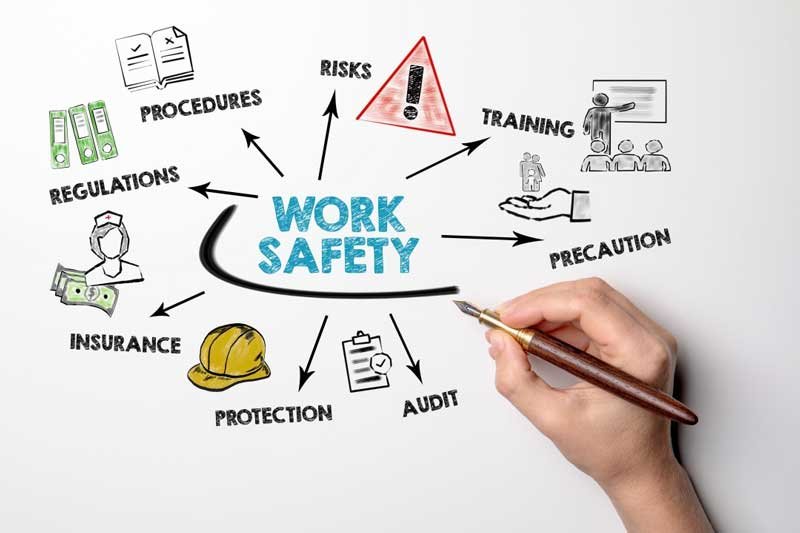
Workplace safety is essential for any organization, regardless of its size or industry. While many businesses understand its importance, knowing where to start or how to improve existing standards can be challenging. Taking a practical, structured approach can make a significant difference in creating a safer and more efficient working environment. Improving safety is not just about meeting regulations. It is about protecting employees, reducing risks, and building a culture where safety is part of everyday operations.
Understanding Current Safety Risks
The first step in improving workplace safety is identifying potential hazards. These can vary depending on the nature of the business, but often include issues such as poor ventilation, faulty equipment, or unsafe working practices.
Conducting regular assessments allows businesses to understand where risks exist and how serious they are. This process provides a clear starting point for improvement and ensures nothing important is overlooked.
Implementing Clear Safety Procedures
Once risks have been identified, it is important to establish clear and practical safety procedures. Employees should know exactly what is expected of them and how to carry out their tasks safely.
This includes providing proper training, maintaining up-to-date guidelines, and ensuring that all safety measures are easy to follow. Clear communication plays a key role in making sure these procedures are understood and consistently applied.
Getting Regular Testing and Maintenance
Maintaining a safe workplace requires ongoing attention. Equipment, systems, and environments should be checked regularly to ensure they are functioning correctly. This is particularly important when it comes to air quality and ventilation systems, which can have a direct impact on health.
Regular testing helps identify issues early and prevents them from escalating. Getting LEV testing can support businesses in assessing and maintaining safe working conditions. By staying proactive, organizations can reduce the likelihood of unexpected problems and ensure compliance with safety standards.
Encouraging a Safety First Culture
Safety should not be seen as a one-time task. It needs to be part of the company culture. Encouraging employees to take responsibility for safety, report concerns, and follow best practices helps create a more secure environment for everyone. Leadership plays a key role in setting the tone. When managers prioritize safety and lead by example, it reinforces its importance across the organization.
Keeping Up with Regulations
Safety standards and regulations can change over time, so it is important for businesses to stay informed. Keeping up to date ensures that your workplace remains compliant and avoids potential penalties. Regular reviews of policies and procedures can help identify any gaps and ensure that your business continues to meet current requirements.
Investing in Long–Term Safety
Improving workplace safety is an ongoing process rather than a one-off effort. Investing in better systems, training, and professional support can lead to long-term benefits, including fewer accidents, improved productivity, and greater employee confidence.
Businesses that prioritize safety are not only protecting their workforce but also strengthening their overall operations.
Conclusion
Creating a safer workplace does not have to be complicated. By taking a practical approach, identifying risks, and maintaining consistent standards, businesses can make meaningful improvements. Over time, these efforts contribute to a healthier, more productive environment where both employees and organizations can thrive.
Last modified: April 25, 2026