How Plumbers Handle Complex Multi-Unit Plumbing Repairs
How Multi-Unit Plumbing Repairs Are Managed
- Thorough System Assessment and Strategic Planning
Before any repairs begin, plumbers working in multi-unit buildings start with a detailed evaluation of the entire system. This step is crucial because plumbing issues in shared structures often originate from concealed lines or interconnected components that may not show symptoms immediately. Technicians review building layouts, water pressure patterns, and drainage structures to pinpoint the true source of the issue rather than relying on surface-level symptoms. This ensures the repair addresses the root cause and not just the affected unit. Large properties often require coordination with property managers, tenants, and, in some cases, city departments when water shutoffs are involved. The goal is to create a plan that solves the problem while minimizing inconveniences, and this is where reliable Portland OR plumbing help becomes especially important for maintaining efficiency and stability across the entire building.
- Coordinated Water Shutoffs and Resident Communication
Handling repairs in a multi-unit building often requires temporary disruptions to water supply. Plumbers must coordinate these interruptions carefully to avoid unnecessary frustration among tenants. This includes giving advance notice, scheduling work during low-usage periods, and designing repair strategies that reduce downtime. Clear communication is vital, particularly when multiple floors or separate wings depend on the same water lines. Plumbers often work with property managers to map out which units will be affected and for how long, ensuring residents have enough time to prepare. The shutting off and restoring of water is done methodically, checking pressure levels and ensuring no air pockets or debris remain in the system. This approach helps create a smoother experience in situations that cause confusion or inconvenience. Through deliberate planning and communication, plumbing teams help maintain trust and stability within the building community.
- Advanced Diagnostic Tools and Large-Scale Repair Techniques
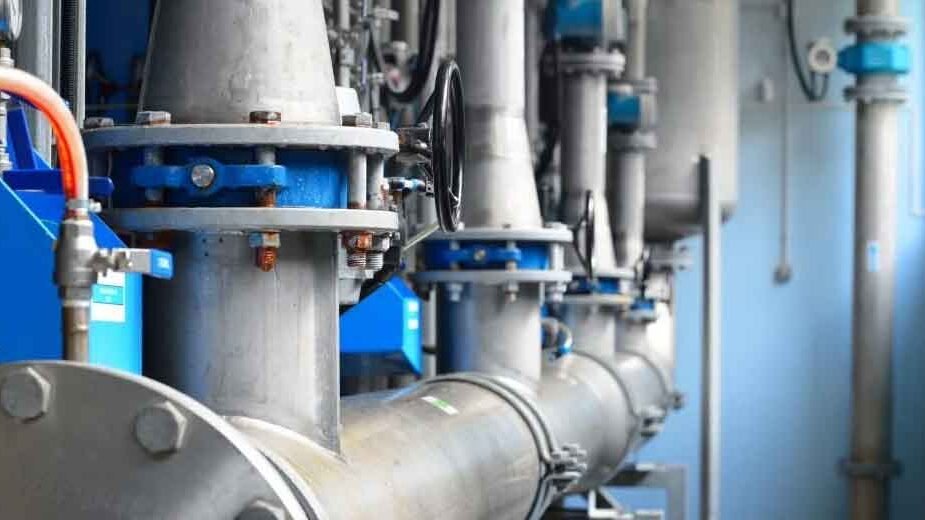
Managing complex repairs in multi-unit buildings requires more than traditional tools. Technicians use modern diagnostic equipment such as camera inspections, acoustic leak detectors, and pressure monitoring devices to evaluate the internal condition of pipes without invasive cutting. This technology is especially valuable in older buildings where pipe routes are unclear or documented poorly. Once the issue is identified, repair techniques such as trenchless pipe lining, hydro-jetting, and sectional replacements enable plumbers to restore functionality with minimal structural disruption.
When repairing shared lines, careful steps must be taken to maintain balance between hot and cold water distribution, prevent cross-contamination, and ensure drainage pathways are functioning correctly. Larger systems often develop problems that affect multiple areas simultaneously, and these tools help identify all related issues before they cause further damage. By using modern equipment and systematic repair methods, plumbers ensure that extensive networks remain functional and safe for all residents.
- Long-Term Preventive Care and System Optimization
After completing major repairs, plumbers evaluate the overall plumbing system to identify ways to reduce the likelihood of repeat issues. Multi-unit buildings benefit from routine maintenance schedules that include drain cleaning, pressure checks, fixture updates, and corrosion inspections. This ongoing care helps prevent blockages, leaks, and pipe deterioration—problems that can escalate quickly in shared properties. Technicians also provide recommendations for upgrading outdated components, improving water efficiency, and balancing pressure across multiple floors. Building owners often appreciate these insights because they reduce emergency repair costs and improve tenant satisfaction.
Plumbers may also track recurring patterns, such as seasonal pressure fluctuations or drainage slowdowns, allowing them to introduce long-term solutions. These preventive steps ensure that the building’s water infrastructure remains dependable, resilient, and prepared for future demands. By focusing on maintenance after major repairs, plumbing teams support the long-term health of the building’s entire system.
Managing plumbing repairs in multi-unit buildings requires organized planning, clear communication, and careful technical decisions. These structures rely on shared systems that connect multiple households, meaning every repair must be approached thoughtfully to avoid unnecessary disruptions. Plumbers evaluate entire systems, work with property managers, coordinate with residents, and use modern diagnostic tools to uncover and resolve root issues efficiently. They also emphasize long-term preventive care to keep future problems from affecting large groups of tenants at once. By following these structured steps, plumbing professionals help maintain stable, reliable water systems that support the daily routines of everyone living in multi-unit properties.
Last modified: January 6, 2026