How to Improve Food Production Efficiency
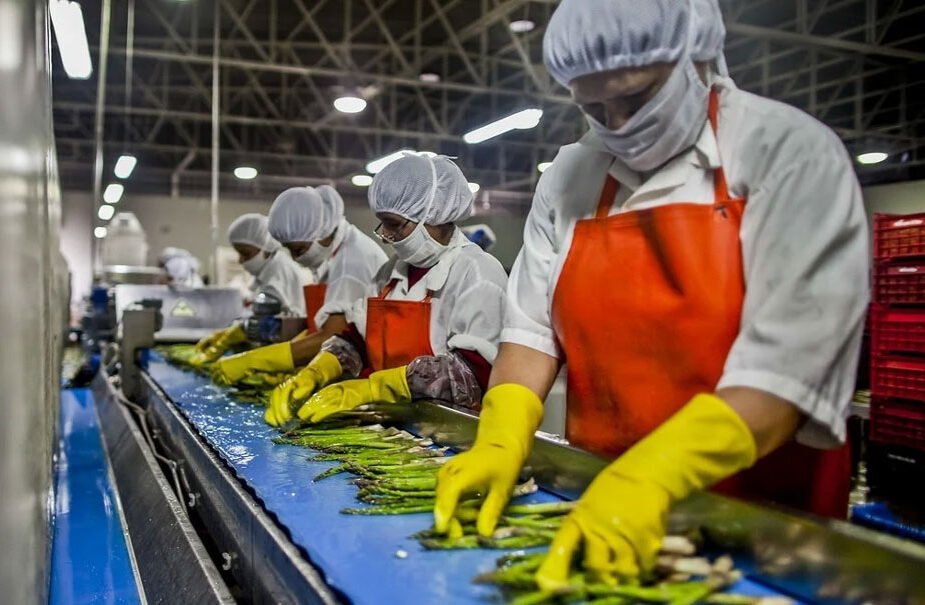
Boosting food production efficiency is vital for feeding the growing global population and ensuring sustainability. Focusing on sustainable farming methods and advanced technologies can significantly enhance productivity. By doing so, you’ll actively contribute to reducing waste and conserving valuable resources.
Consider adopting precision agriculture, which uses data-driven insights and technology to optimize farming practices. You can increase crop yield and minimize environmental impact by tailoring resources to specific crop needs. This approach not only maximizes efficiency but also strengthens your farm’s resilience to challenges like climate change.
Exploring innovative techniques, such as vertical farming or hydroponics, can offer new ways to grow more food in less space. These methods are particularly useful in urban areas or regions with limited arable land. Embracing these practices positions you at the forefront of agricultural evolution, ready to tackle the food security challenges of the future.
Optimizing Agricultural Practices
Enhancing food production efficiency involves applying strategies that maximize resource use while maintaining or boosting crop yields. Focusing on sustainable crop rotations, advanced irrigation techniques, and soil health can significantly help improve agricultural productivity.
Sustainable Crop Rotation Strategies
Effective crop rotation is crucial for maintaining soil fertility and preventing pest and disease buildup. By alternating crops with different nutrient needs and root structures, you can reduce soil exhaustion and improve nutrient uptake. For instance, rotating deep-rooted crops with shallow-rooted ones can help in utilizing nutrients from different soil layers.
Legume crops such as beans or clover are excellent choices for rotation due to their ability to fix atmospheric nitrogen, enriching the soil naturally. Planting a diverse array of crops not only disrupts pest and disease cycles but also enhances biodiversity, leading to a more resilient agricultural ecosystem. Implementing a structured rotation schedule keeps the soil fertile, ultimately boosting yield sustainably.
Precision Irrigation Techniques
Water management is key to enhancing crop production. Precision irrigation allows you to apply the right amount of water at the right time, minimizing waste and optimizing growth conditions. Tools such as drip irrigation systems, soil moisture sensors, and weather forecasts help you tailor water application efficiently. This targeted approach ensures that plants receive optimal water levels without overirrigating, conserving both water and energy.
Transitioning from traditional flooding methods to systems like drip or sprinkler irrigation can significantly cut water usage. Monitoring soil moisture and understanding plant needs can prevent overwatering, which often leads to nutrient leaching and root diseases. By employing these techniques, you directly improve yield and promote sustainable water practices.
Soil Health Management
Healthy soil is the foundation of productive farming. Practices such as cover cropping, reduced tillage techniques, and the use of organic amendments enhance soil structure and vitality. Cover crops prevent erosion, suppress weeds, and contribute organic matter, improving soil fertility over time.
Maintaining a pH balance suitable for your crops ensures that soil nutrients are readily available. Regular testing of soil health can guide you in making necessary amendments, whether it’s adding lime to correct soil acidity or incorporating compost to increase organic content. Prioritizing soil health not only secures future crop yields but also promotes a sustainable environment.
Leveraging Technology in Food Production
Modern technology plays a critical role in enhancing food production efficiency. By integrating advanced systems, you can increase productivity, reduce waste, and make informed decisions.
Automation and Smart Farming Tools
Automation helps streamline various farming tasks, making operations smoother and more efficient. Incorporating smart farming tools, such as automated tractors and drones, can significantly reduce the labor required for planting and harvesting. These tools use technology to perform tasks with precision, which leads to higher yield and consistency in crop production.
Automated irrigation systems optimize water usage by monitoring soil moisture levels and adjusting accordingly. This not only conserves water but also ensures that crops receive the exact amount they need. Meanwhile, drones provide aerial surveys to assess plant health, identify issues, and gather critical data.
Data-Driven Decision Making
Data analytics empowers you to make informed decisions by converting vast amounts of information into actionable insights. Implementing data platforms helps track everything from weather conditions to crop growth patterns.
Because much of this technology and research is shared internationally, agricultural and food translation services can help farmers and agribusinesses understand multilingual manuals, datasets, and research findings accurately. This data can be used to forecast yields and develop strategies to improve production.
Sensor technology plays a pivotal role here. Sensors placed in fields collect real-time data on soil health, crop conditions, and environmental factors. Analyzing this data helps you predict outcomes and adjust your methods to enhance productivity. This proactive approach minimizes risks associated with unforeseen events.
Remote Sensing and Monitoring
Remote sensing technology offers an efficient way to oversee large-scale agricultural operations. By using satellites and aerial devices, you can monitor crop health, land conditions, and environmental changes from a distance.
Satellite imagery provides a comprehensive view of your fields, helping identify areas needing attention. This bird’s-eye perspective can reveal patterns unseen from the ground. Combined with geographic information systems (GIS), it allows for detailed mapping and analysis.
These technologies enhance your ability to conduct precise farming, ensuring resources are used efficiently. As a result, remote sensing and monitoring drive greater yields and contribute to the sustainability of food production systems.
Reducing Waste and Improving Supply Chains
To improve food production efficiency, tackling waste and optimizing supply chains are crucial. You can achieve this by strengthening cold chain logistics, minimizing post-harvest losses, and enhancing storage solutions. These strategies ensure that food reaches consumers effectively and with minimal loss.
Strengthening Cold Chain Logistics
Cold chain logistics are vital to maintaining the quality of perishable goods. When you invest in robust refrigeration systems, you extend shelf life and prevent spoilage. This system includes temperature-controlled storage, transport, and delivery.
Monitoring devices help manage temperature fluctuations, offering real-time alerts to prevent food loss. Training for personnel involved in the cold chain ensures that best practices are consistently followed.
Additionally, using renewable energy sources for refrigeration can cut costs and reduce environmental impact. By prioritizing these logistics, you can significantly reduce waste and increase efficiency.
Minimizing Post-Harvest Losses
Post-harvest losses often occur due to improper handling and storage. You can minimize these losses by following proper techniques and using appropriate equipment. Washing, sorting, and grading play essential roles in maintaining quality. In some systems, incorporating methods like Current Crop Roasting can further preserve flavor, reduce moisture-related spoilage, and extend shelf life.
Innovative packaging solutions can extend the freshness of produce, using materials that regulate moisture and gases. Encouraging farmers to adopt these methods with support and training will lead to better outcomes. Collaboration with agricultural research institutions to develop resistant crop varieties is another step forward.
These efforts combined help ensure that what is grown makes it to market instead of being lost along the way.
Enhanced Storage Solutions
Storage conditions directly affect the longevity and safety of food products. Implementing advanced storage technology like controlled atmosphere storage can help you preserve food longer. Such technologies adjust oxygen, carbon dioxide, and nitrogen levels to create optimal environments for different foods.
Modular storage units can be more adaptable to varying amounts and types of produce. Investing in local storage facilities closer to production sites helps reduce transportation time, maintaining food quality. Ensuring that storage facilities are regularly inspected and maintained can prevent infestations and spoilage. Improving these areas ensures more food can be safely stored and accessed when needed.
Conclusion
Boosting food production efficiency relies on combining smart farming practices with modern technology. By improving soil health, using precision tools, and adopting innovative growing methods, you can increase yields while reducing environmental impact.
Strengthening supply chains and minimizing waste further ensure that more of what is grown reaches consumers. Together, these strategies create a more resilient, sustainable, and efficient food system ready to meet future demands.
Last modified: December 1, 2025