Renting in the World’s Most Organised City: A Guide to Apartments in Tokyo
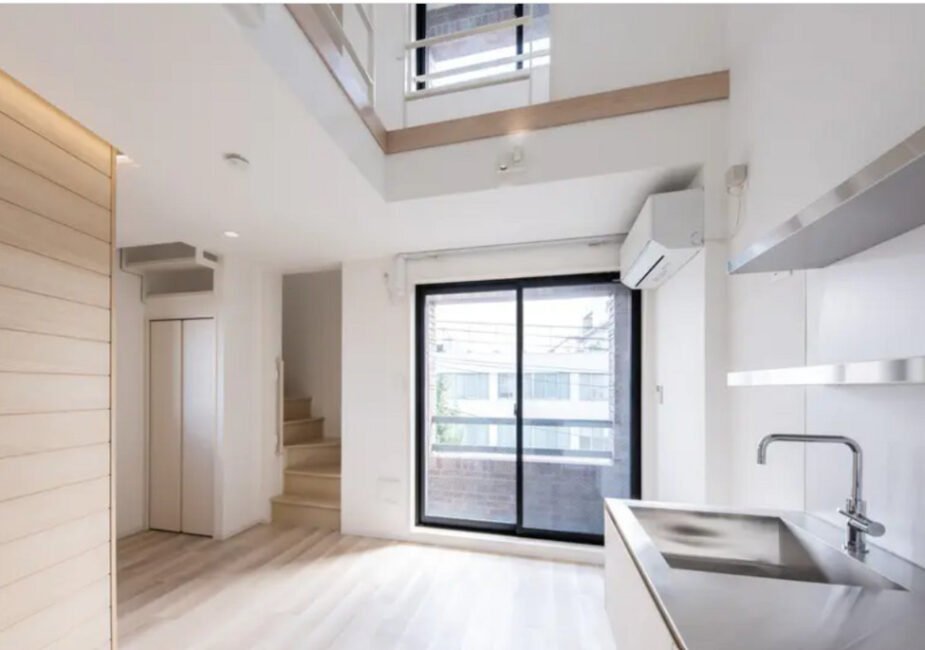
Tokyo doesn’t do anything halfway. Its trains run to the second, its convenience stores are open around the clock, and its neighbourhoods each carry a personality so distinct you could spend years discovering them. It should come as no surprise, then, that the city’s rental market operates with the same level of detail and complexity.
If you’re considering a move to the Japanese capital, here’s what to know about finding apartments in Tokyo, Japan—from decoding the listings to choosing the right neighbourhood for the way you actually want to live.
Tokyo by the Numbers
Tokyo is the world’s most populous metropolitan area, home to roughly 14 million people in the city proper and close to 38 million across the greater metro region. Despite that density, it functions with a calm efficiency that consistently startles newcomers. Crime rates are low, public spaces are clean, and the infrastructure—particularly the train network—is so reliable that delays of more than a few minutes make the evening news.
For renters, this scale means genuine choice. The city’s 23 special wards each offer different price points, commute dynamics, and lifestyles. Understanding which one suits you is the first and most important decision you’ll make.
Reading a Tokyo Rental Listing
Japanese apartment listings use a shorthand that’s worth learning before you start your search. Properties are categorised by room count and configuration
- 1R—a single room; the most compact option, suited to those who spend little time at home
- 1K—one room with a small separate kitchen
- 1DK—one bedroom plus a dining-kitchen area
- 1LDK—one bedroom with a full living, dining, and kitchen space
- 2LDK / 3LDK—scaled up for couples, families, or those who want a dedicated workspace
For most international renters arriving solo or as a couple, a 1LDK hits the sweet spot between space and cost. Listings also specify building type—apaato (lighter wood or steel construction, usually two storeys) versus manshon (reinforced concrete, typically three or more storeys). The latter offers better soundproofing and earthquake resistance and is generally preferred for long-term living.
Square footage in Tokyo will likely be smaller than you’re used to. A 40sqm 1LDK is considered a comfortable single-person flat. Japanese apartments compensate with intelligent design: built-in storage, multi-use spaces, and layouts that make every square metre count.
What You’ll Actually Pay
Central Tokyo is expensive, but context matters. A modern 1LDK in Shinjuku, Shibuya, or Minato typically runs between ¥150,000 and ¥220,000 per month. Step one, ward further out—Suginami, Koenji, Shimokitazawa—and comparable flats can be found from ¥100,000 to ¥140,000. Families looking at 2LDK or 3LDK in quieter outer wards like Setagaya or Nerima can find genuinely spacious homes from ¥160,000 upward.
Beyond monthly rent, budget carefully for move-in costs. Traditional Japanese rentals involve:
- Shikikin: a refundable security deposit of one to two months’ rent
- Reikin: key money is a non-refundable payment to the landlord, historically one to two months’ rent (increasingly waived in newer buildings)
- Agency fee: one month’s rent, legally capped
- Guarantor fee: typically 50% of one month’s rent upfront if using an institutional guarantor, which most foreign renters will need
All told, initial outlay can reach four to five months’ rent. It’s steep, but the rental market’s stability—infrequent rent increases, typically two-year leases with smooth renewal—means the costs amortise well over time.
Picking Your Neighbourhood
Tokyo’s wards reward specificity. A few worth knowing:
Shibuya and Shinjuku
High-energy, supremely connected, and central to everything. Premium pricing reflects that. Ideal for those who want to be in the thick of it.
Meguro and Nakameguro
A more curated, design-conscious feel—independent cafés, riverside walks, boutique shops—at slightly lower prices than Shibuya with equally good transport links.
Shimokitazawa
The city’s bohemian heartbeat: vintage clothing, live music, independent theatre, and a young creative community. Affordable by central Tokyo standards and consistently popular with international residents.
Setagaya
Tokyo’s largest ward by population and feels genuinely residential—tree-lined streets, excellent schools, a slower pace—without sacrificing connectivity. A strong choice for families.
Kita and Itabashi
They are further north and offer some of the best value in the city for renters prioritising space over postcode prestige.
Getting Started
Navigating Tokyo’s rental market as a foreigner is far easier with the right support. Work with an agency experienced in placing international tenants—they understand which buildings have foreigner-friendly policies, which contracts carry hidden costs, and how to move your application forward efficiently.
Have your documentation ready: residency card, proof of income or savings, and an employer letter if relevant. The process moves quickly once you’re prepared, and in a city this well-organised, the reward for doing your homework is a home that genuinely fits.
Last modified: May 18, 2026