Which Smartphone Camera Is Right for You?
Choosing the perfect smartphone camera may be difficult because manufacturers advertise large numbers and aggressive claims. You should look beyond marketing and concentrate on how you really shoot photographs and films. Some users photograph landscapes and travel situations. Others record photos, food, and short movies for social media. Camera quality is determined by how well hardware, software, and clever processing work together. When you grasp the major specifications and features, you can confidently compare models. The best smartphone camera isn’t the most costly. It is the one that best suits your photography style and everyday demands.
What Camera Specs Really Matter?
Megapixels vs Sensor Size: What You Should Prioritize
Many purchasers prioritize megapixels, but more megapixels do not necessarily result in better photographs. Megapixels govern image resolution, which is useful for cropping or printing huge photographs. However, sensor size has a greater impact on image quality. A bigger sensor collects more light and information, particularly under difficult conditions. It also increases dynamic range and lowers noise. When comparing phones, consider sensor characteristics and real-world samples rather than just megapixel counts. If you mostly share images online, you do not require high resolution. Prioritize balanced gear that produces consistent outcomes across a variety of illumination conditions.
Aperture, ISO, and Low-Light Performance
Photography in low light sets good cameras apart from mediocre ones. The amount of light that enters the lens is determined by the aperture. A smaller f-number indicates a larger aperture, which lets more light into the sensor. This makes nighttime photography easier. Light sensitivity is measured by ISO. Images brightened with a higher ISO may lose clarity and include noise. Good cellphones use software optimization to automatically regulate ISO. A lot of companies employ computational photography to improve details, so you should also check the performance in night mode. Prioritize excellent low-light performance above daylight image quality if you frequently photograph indoors or after sunset.
Image Stabilization and Autofocus Explained
Capturing crisp images and fluid movies is made easier with image stabilization. To lessen blur from hand movements, optical picture stabilization shifts lens components. Software is used in electronic stabilization to reduce shaking. Generally speaking, phones with optical systems capture videos and function better in low light. Clarity is also impacted by autofocus. Phase detection and laser autofocus are two examples of technologies that rapidly and precisely lock onto targets. If you want to take pictures of kids, pets, or sports, you need fast autofocus. Watch test footage of actual phones before making your selection. In everyday use, stable video and consistent focus are frequently more important than raw resolution values.
Which Camera Features Fit Your Shooting Style?
Wide, Ultra-Wide, and Telephoto Lenses
Using different lenses alters how your photos are framed. The majority of everyday photography, including portraits and street scenes, may be captured with a conventional wide lens. Group photographs, architecture, and landscapes may all be captured with an ultra-wide lens. It offers a dramatic perspective and broadens your range of vision. Without sacrificing resolution, a telephoto lens may bring far-off objects closer. Compared to digital zoom, optical zoom yields sharper results. A flexible multi-lens arrangement allows you greater creative flexibility, whether you travel or attend events. Consider the subjects you picture most frequently. Rather than spending money on lenses you seldom ever use, pick a smartphone camera system that supports your preferred topics.
Portrait Mode, Night Mode, and AI Photography
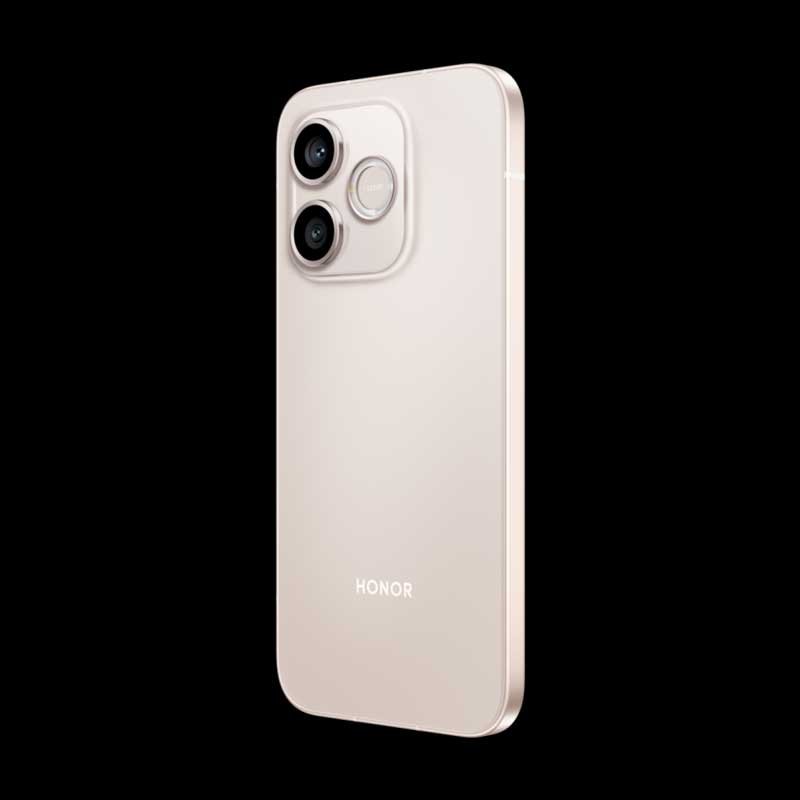
The final image is shaped by software intelligence just as much as by hardware. The AI Camera Button on the HONOR 600 Lite effortlessly integrates with cutting-edge image algorithms to make every snap simple. To make sure you never miss a moment, you may press and hold to record high-definition video or just tap to start the camera. Fine textures and precise details are captured by the 108MP Ultra-Clear Main Camera, which is driven by an improved Raw Native Domain Algorithm. Without overpowering natural tones, multi-style film photography filters give creative dimension. Intelligent processing improves color balance and clarity, enabling users to produce gallery-quality images with little work.
Video Recording: 4K, 8K, and Frame Rates
If you often record videos, pay close attention to the frame rate and resolution settings. Sharp detail is available in 4K video, which is ideal for social media and big screens. Although 8K is supported by some flagship phones, the size of the files increases, and additional storage is needed. Frame rates are important as well. While 60 frames per second produces smoother action, 30 frames per second produces a more realistic appearance. In editing, slower motion effects are made possible by higher frame rates. Resolution is still crucial, but so are stability and audio quality. Watch video samples before making a purchase. Good video performance guarantees that your phone is a dependable tool for creating content.
Conclusion
By combining features and specifications to your preferences, you may select the ideal smartphone camera. Pay attention to stability, dependable autofocus, sensor size, and low-light capability. Next, assess the software and lenses that complement your style. Don’t only focus on megapixels. Examine actual images and videos to assess color consistency and accuracy. Combining hardware and software improves your regular shooting performance. A well-selected smartphone camera may be used for a variety of purposes, including travel, family time, and artistic endeavors. Based on actual performance rather than promotional headlines, make your choice.
Last modified: May 6, 2026