How Incorporating Moroccan Tile Enhances Your Home Aesthetic
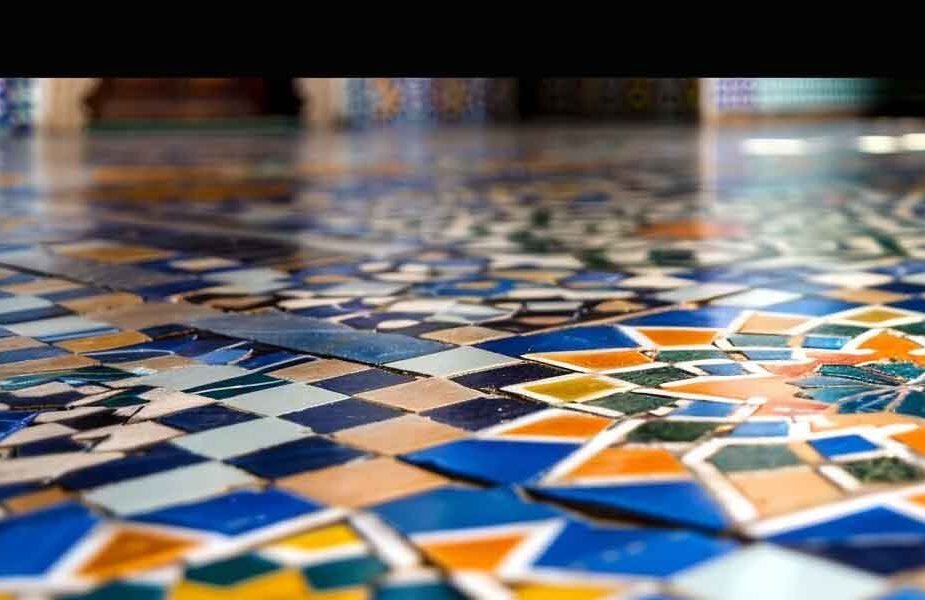
Moroccan tile brings a rich tapestry of color and detail that instantly elevates any space. The intricate patterns and vibrant hues can make even the most mundane areas feel luxurious and inviting.
In this article, we explore how to integrate these exquisite designs into your home, breathing life into your interiors while maintaining a unique and timeless aesthetic.
Discover the Timeless Charm of Moroccan Tile Design
Moroccan tiles are renowned for their geometric patterns and vibrant colors. These tiles have adorned homes for centuries, offering a timeless appeal that never goes out of style. They are perfect for creating a focal point in your home.
The beauty of Moroccan tiles lies in their versatility. Available in various colors and shapes, they can complement diverse interior styles, from traditional to contemporary settings. A popular choice for kitchens and bathrooms, these tiles add a splash of personality wherever they are used.
Integrating moroccan tile into your home is simpler than you might think. Start by identifying key areas where bold patterns could stand out, such as backsplashes or fireplace surrounds. This approach creates dynamic visual interest without overwhelming the space.
Transform Your Space with Vibrant Moroccan Tile Patterns
The lively patterns of Moroccan tiles can transform even the dullest spaces into lively, captivating environments. These tiles often feature intricate designs that can serve as works of art in their own right. moroccan tile
One compelling feature of Moroccan tile is its ability to seamlessly blend vibrancy with subtlety. A careful mix of colorful and neutral tiles can provide a sophisticated look. For example, integrating tiles with a neutral base and bold accents can bring depth to the wall.
Consider using Moroccan tiles strategically throughout your home. Installing them in areas like entryways or hallways provides an immediate impact. Additionally, combining them with minimalist design elements can balance the overall aesthetic, creating a harmonious environment.
Incorporating Moroccan Tile for a Unique Home Aesthetic
Moroccan tiles offer a distinct aesthetic that stands apart from typical home decor options. This uniqueness arises from their detailed patterns and historical significance, lending a touch of exotic elegance to any room.
Each tile tells a story, with designs often inspired by nature, culture, and the rich history of Morocco. These elements combine to form a compelling narrative, enabling homeowners to express individuality and taste through their interiors.
To achieve the best results, it is beneficial to look at the overall color scheme and design of your home. Opt for complementary colors and patterns that enhance existing decor. This ensures that the tiles add beauty without clashing with other elements.
Elevate Your Interior Decor with Moroccan Tile Accents

Using Moroccan tiles as accents can dramatically elevate the look and feel of interiors. Whether on walls, floors, or as decorative features, their intricate patterns draw attention and engender a sense of sophistication.
In smaller spaces, such as bathrooms or small kitchens, using Moroccan tiles can open up the area by drawing the eye around the room. The presence of these ornate tiles can create an illusion of more space, combating the claustrophobic feel that small rooms can sometimes present.
For impactful results, consider applying tiles to specific areas, like shower enclosures or around vanities. These spots are ideal as they naturally focus attention. Using Moroccan tiles in moderation can help maintain balance while still achieving a dramatic effect.
Ultimately, Moroccan tiles provide a versatile way to enhance your home aesthetic. Their timeless charm and adaptability make them suitable for various styles and spaces. By carefully selecting and placing these tiles, you can add an exotic and luxurious feel to your home decor.
Last modified: April 19, 2026