What Is the Best Home Battery Backup System Today?
Choosing the best home battery backup system starts with understanding how you use power and what you want to protect. Families now expect their lights, Wi‑Fi, medical devices, and appliances to stay on, even when the grid fails. Modern home batteries from leading brands such as Anker pair high-capacity storage with smart software. These systems store cheap or solar energy, then supply power when you need it most. This guide compares system types, features, and costs so you can pick a reliable, safe, and efficient backup solution.
Why Home Battery Backup Systems Matter
Power Outages and Energy Needs
Power outages can last minutes or stretch into several days, and each home has different priorities during those blackouts. Some households only need to keep a fridge, a few lights, and phone chargers running. Others must support medical equipment, sump pumps, well pumps, or home offices with servers and network gear. This is why you should list critical loads before you buy any backup system. Popular batteries let installers design custom backup circuits around these loads so you get targeted, reliable protection.
Benefits Over Gas Generators
Home batteries offer several advantages over gas or diesel generators. They start automatically, produce no fumes, and run almost silently, which matters in dense neighborhoods. There is no fuel storage, no oil changes, and far less routine maintenance. Lithium iron phosphate and other modern chemistries also support thousands of cycles with strong warranties. Batteries can integrate with rooftop solar to keep charging during long outages, something most portable generators cannot do safely. Many systems add smart controls that optimize usage and help reduce monthly energy costs.
Types of Home Battery Backup Systems
Whole-Home Systems
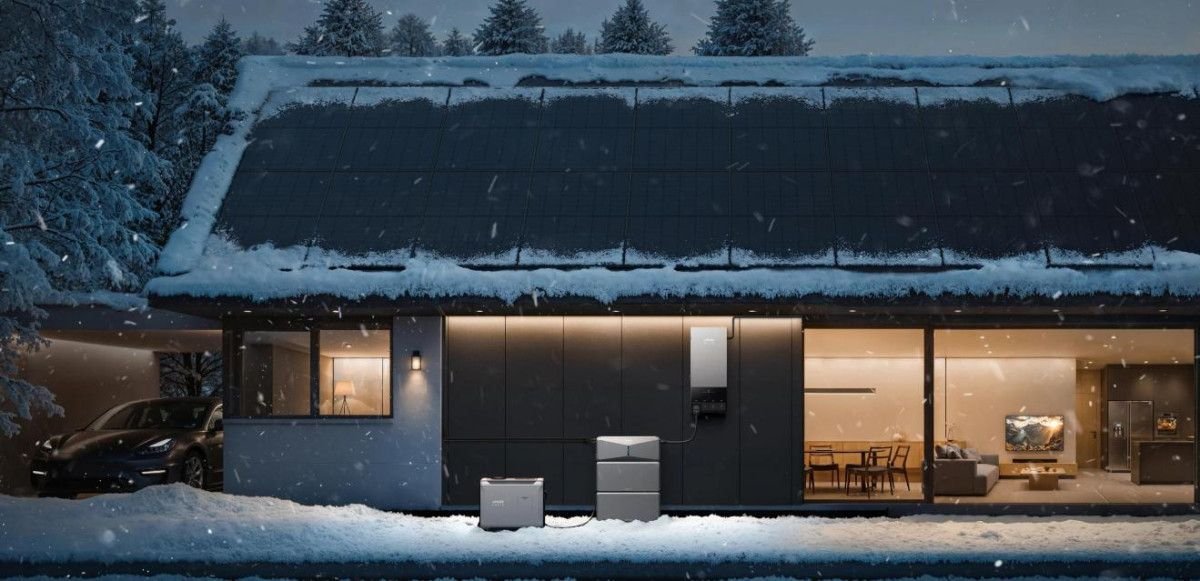
Whole-best home battery backup system connects through an automatic transfer switch or smart load center to support most or all circuits. Solutions typically start in the 10–20 kWh range and scale by adding more units. Properly sized systems can run central AC, induction ranges, well pumps, and home offices without manual intervention. During an outage, they switch over within seconds, so lights and electronics stay stable. Many utilities now approve these systems for grid services, which can bring bill credits and shorten the payback period.
Portable and Partial Backup
Portable and partial backup options focus on flexibility and essential loads. Portable power stations from brands. You can roll them out during an outage, plug in fridges, routers, laptops, and a few small appliances, then recharge from wall power, solar panels, or even vehicles. Partial backup wall systems use smaller batteries tied to a critical loads panel. They keep priority circuits running but leave high-demand devices offline. These systems often suit renters, smaller homes, or people who want backup without a major electrical upgrade.
Key Features to Consider
Capacity and Power Output
Capacity determines how long your backup lasts, while power output determines what you can run at the same time. A 10–15 kWh battery might cover a day of essentials, but heavy loads like AC or electric dryers can drain it quickly. Continuous power ratings show safe ongoing output; surge or peak ratings show what the system can handle for short bursts. Always match these specs to your startup-heavy loads, like pumps and compressors.
Safety and Smart Features
Safety and smart controls separate basic batteries from top-tier systems. Look for UL-listed equipment, integrated battery management, and clear shutdown procedures for emergencies. Many leading brands provide fire-resistant enclosures and robust monitoring. Smart apps give you outage alerts, real-time usage data, and control over backup modes. Integration with smart panels allows automatic load shedding, protecting the system from overloads. These features increase safety, extend battery life, and make daily operation far more convenient.
How to Choose the Right System
Home Energy Needs
Start by listing every device you want powered during an outage and how many hours per day you will run each one. Include refrigerators, freezers, lights, internet equipment, medical devices, and HVAC or space heating. Check appliance labels or manuals for wattage, and note which ones have high startup surges. Then look at your local outage history: typical duration, season, and frequency. This combination of critical load list and outage profile gives you a realistic target for battery capacity and inverter power.
Budget and Installation
Budget includes more than the battery. Whole-home systems may require panel upgrades, new breakers, permits, and sometimes structural work for wall mounting. Get itemized quotes so you can compare hardware, labor, and ongoing monitoring fees. Ask about federal tax credits, state incentives, and utility rebates, especially when pairing batteries with solar. Installation quality affects safety and performance, so choose certified installers with strong reviews and support. A slightly higher upfront cost can pay off in fewer issues and better long-term reliability.
Conclusion
The best home battery backup system is the one that fits your outage risk, energy habits, and budget while delivering safe, dependable power. Whole-home systems from brands like Anker, robust protection. Portable and partial backup options give flexible, lower-cost security for essential loads. Focus on capacity, power output, safety certifications, warranty, and smart controls. Work with reputable installers and use real usage data, not rough guesses. With careful planning, your home battery can provide quiet, clean, and reliable backup for years to come.
Last modified: April 13, 2026