Common Habits That Are Secretly Damaging Your Tooth Enamel
Enamel doesn’t erode in one major event. It warps away gradually, silently, and often because of things we’re taught to do with the best intentions. Most people assume the nagging will all be about sugar and pop. That stuff’s not great for enamel, but the habits that are really killing it right now are the ones that seem virtuous on the surface.
It helps to understand that enamel is the hardest substance in the human body. It’s a mineralised layer that’s over 95 per cent calcium and phosphate. And once it’s damaged, our body can’t make more of it. There’s no magical biological repair process. The amount you have is the amount you’ve got, which is why the following good habits are way worse for your teeth than you ever realised.
When erosion becomes tooth loss
It’s well-documented that fundamentals like a good diet and regular brushing are key to maintaining strong, healthy teeth. And time makes everything worse – the older you are, the more damaged your teeth will be if you haven’t protected them. Severe erosion eventually leaves patients with very limited options. In some cases, free dental implants with government grants are available for those who’ve reached the point of tooth loss, which can make a significant difference to people who’ve already spent years managing the consequences of enamel damage. Enamel is unique and incredible. You have to treat it that way.
“Healthy” drinks are eroding teeth all day long
Drinks like lemon water, apple cider vinegar, kombucha, and sparkling water are acidic in nature. The pH of saliva is 7.4, and dissolution of enamel occurs at a pH of 5.5 or below. Several of these drinks on their own don’t come close to this threshold. However, as patients drink them over an hour or so, their acidic content is gradually introduced into the mouth, with saliva entering the “pH tug of war” to neutralize the increasingly acidic environment. If too much saliva is required to neutralize the acid, or if saliva production is low due to medications, underlying health conditions, or age, the acid wins the tug of war, and the teeth suffer the consequences.
Brushing at the wrong time makes it worse
Another unhelpful norm is swishing toothpaste or mouthwash straight out after you’ve cleaned. The longer the fluoride remains in contact with teeth, the better it is for remineralisation and overall protection. It used to be standard advice not to eat or drink for half an hour after brushing to allow the fluoride to work. Nowadays, that recommendation may seem quaint, but it’s grounded in solid science.
Instead of rinsing vigorously with water, dental professionals suggest simply spitting out the excess toothpaste and leaving the residual film on your teeth. This thin layer continues to deliver fluoride to the enamel long after you’ve finished brushing, maximizing the protective benefits with minimal effort.
Using teeth as tools
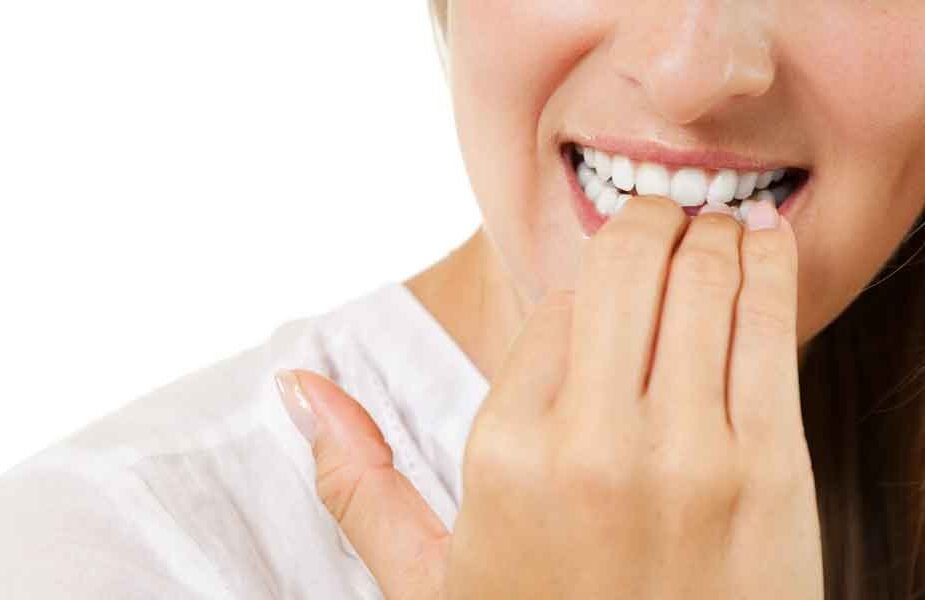
Nails are bitten, packaging is torn, objects are held in the teeth – all put force on teeth in unnatural directions that are not meant to bear the load. Chewing is vertical. All other actions create lateral or shear force on enamel, opening microscopic fractures. Those don’t always hurt right away. They just grow silently in the background until they become chips, cracks, or points of catastrophic failure that must be treated.
For bruxers, it’s sort of exacerbated by a magnitude. The unconscious grinding of your teeth – often done with far more force than when you bite something – across your entire bite is a hell of a thing to your enamel. It just goes flat over time. And things get bad enough that you need substantial work before anyone ever offers you a mouthguard to prevent the damage. A night guard doesn’t stop the grinding – you’ll still wear through them regularly – but it does distribute the force differently and prevent direct enamel contact.
What actually helps
It’s not rocket science. But it’s the things you do every day that have the biggest impact. Flossing daily and reducing sugar are the game-changers. Next up is acidity, meaning soda, wine, and yes, apple cider vinegar shots need to be minimized, then ideally appreciated along with meals. Using a straw spares your teeth a bath in acid, but it’s boring and your coworkers will make fun of you. Oh well.
Wait twenty minutes before brushing after vinegar or anything acidic, because brushing too soon can remove the softened enamel. Create a relaxing bedtime routine where all the lights in your home get turned off around the same time each night (you’d be surprised), and the phone goes on charge, a guard goes in your mouth. Know that acidic/whitening toothpaste you use twice every day? Switch to something with a lower RDA and save your enamel while you still can.
Last modified: April 10, 2026