Why New York City’s Traffic System Works (Even When It Feels Like It Shouldn’t)
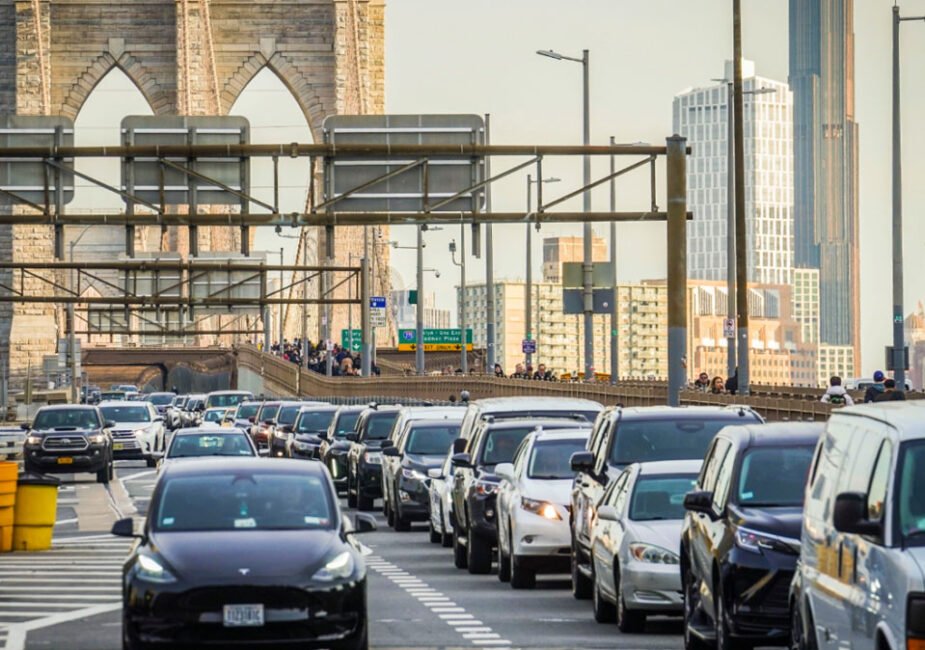
New York City’s traffic can feel overwhelming at first glance, with constant movement, congestion, and competing priorities across every street. Yet millions of people navigate the city every day with a level of consistency that suggests something deeper is at work.
How does a system that looks so chaotic manage to function at this scale? The answer lies in how the city distributes movement across multiple modes rather than relying on any single one. Instead of eliminating pressure points, New York absorbs them through density, flexibility, and constant adaptation.
Built to Move, Not to Be Comfortable
New York City was not designed to feel easy, it was designed to keep people moving. The grid layout in Manhattan creates predictability, which helps traffic flow even when the streets are crowded. High density means destinations are often closer together, reducing the need for long-distance travel.
Mixed-use neighborhoods allow people to live, work, and access services within a relatively small area. This structure naturally limits how much strain is placed on the transportation system at any given time.
At the same time, this design comes with trade-offs that are easy to overlook. Streets are narrow, intersections are frequent, and space is limited, which can make movement feel slow and constrained. But is comfort really the goal in a city like New York, or is it efficiency under pressure? By prioritizing movement over convenience, the city ensures that more people can get where they need to go, even if the journey isn’t always smooth. This approach may feel frustrating in the moment, but it prevents far greater breakdowns across the system.
Why Cars Aren’t the Main Character in NYC
Unlike many other cities, New York does not revolve around private vehicles. A large portion of daily travel happens through public transportation, which moves far more people using far less space. Subways form the backbone of this system, connecting neighborhoods quickly and consistently. Buses extend that reach, especially in areas where rail lines are less accessible.
Commuter lines also play a role in bringing people in and out of the city, reducing reliance on cars. This balance significantly reduces the number of vehicles on the road, even if traffic still feels heavy. Imagine if most commuters chose to drive instead, would the streets handle that volume? Lower car ownership compared to other major cities helps keep congestion from reaching unmanageable levels.
Cars still have a role, especially for specific trips, but they are not the dominant force shaping mobility. That distinction is one of the key reasons the system continues to function.
Walking isn’t an Afterthought, it’s a Core Part of the System
Walking is not just a fallback option in New York, it is a primary mode of transportation. Many trips are short enough that walking is faster than waiting for a vehicle or navigating traffic. The city’s density supports this, making it possible to access shops, services, and workplaces within a reasonable distance.
Sidewalks, crosswalks, and pedestrian zones are not secondary features, they are essential infrastructure. But what happens when the walking environment itself becomes unsafe? Cracked pavement, poorly maintained curbs, or overcrowded sidewalks can turn routine movement into a risk. When injuries occur, people often turn to a slip and fall lawyer to understand and address liability and recovery, which reinforces how critical proper maintenance is in a walkable city.
In many ways, walking acts as a release valve for the entire system. When people choose to walk, they free up space on buses, trains, and streets for others. But what happens when sidewalks become overcrowded or poorly maintained? The system can feel strained in a different way. Continued investment in pedestrian-friendly design helps maintain this balance. The more efficient walking becomes, the more resilient the overall system remains.
The Backup Plan is Built in
One of the biggest strengths of New York’s transportation system is its redundancy. There are often multiple ways to get from one place to another, whether by subway, bus, walking, or other means. If one option is delayed or unavailable, others can absorb the demand.
This flexibility prevents localized issues from turning into system-wide failures. It also gives people more control over how they travel. The city’s around-the-clock activity further supports this resilience. Travel demand is spread across different times of day rather than concentrated into narrow windows.
But what happens when several systems are disrupted at once? Even then, the presence of alternatives helps limit the impact. This layered approach ensures that movement never fully stops, even under pressure.
What You Don’t See Keeps Everything Running
Behind the visible movement of people and vehicles is a complex network of operations working continuously. Traffic is monitored in real time, allowing adjustments to be made as conditions change. Transit schedules are coordinated to maintain consistent service, even when delays occur.
Maintenance crews work overnight to repair and upgrade infrastructure without disrupting daily activity. These efforts are largely invisible but essential to keeping the system functional.
There is also a significant human element involved in managing this complexity. Workers across multiple roles ensure that systems operate smoothly and respond to unexpected issues. How often do we think about the coordination required to keep everything aligned? Without this constant oversight, small problems could quickly escalate. The system’s reliability depends as much on these behind-the-scenes efforts as it does on physical infrastructure.
The Trade-Offs That Make it All Possible
For the system to function at this scale, certain compromises are unavoidable. Travel speeds are often lower, but more people are able to move through the city overall. Limited space means that not every mode of transportation can be prioritized equally. Decisions must constantly be made about how to allocate lanes, signals, and access.
These trade-offs are part of what keeps the system balanced. This also creates ongoing tension between different users of the streets. Drivers may feel constrained, while pedestrians and cyclists push for more space and safety. Can every group be fully satisfied at the same time?
In reality, the system works because it finds a middle ground rather than a perfect solution. Efficiency, not comfort, remains the guiding principle.
Safer Streets, Slower Streets? The Push for Balance
Efforts to improve safety have reshaped many parts of the city’s transportation network. Street designs have been updated to reduce accidents and protect vulnerable users. This includes changes like dedicated bike lanes, redesigned intersections, and reduced speed limits.
These measures aim to create a safer environment for everyone, not just drivers. Over time, they have contributed to meaningful improvements in safety outcomes.
However, these changes can also affect how traffic flows. Slower speeds and reallocated space may increase travel times for some users. The city continues to adjust its approach, trying to balance these competing priorities. The challenge lies in creating streets that are both safe and functional, without compromising one for the other.
It’s Not Perfect, But It Works
New York’s transportation system succeeds not because it is smooth, but because it is resilient under constant strain. Multiple layers of movement, transit, walking, and limited car use, create a balance that prevents total breakdowns.
Is it frustrating at times? Absolutely, but that frustration is often the result of a system operating near its limits while still delivering results. By prioritizing movement over comfort and adaptability over perfection, the city maintains a level of functionality that few others can match.
Last modified: April 6, 2026