What Fleet Safety Solutions Actually Capture After a Collision Occurs
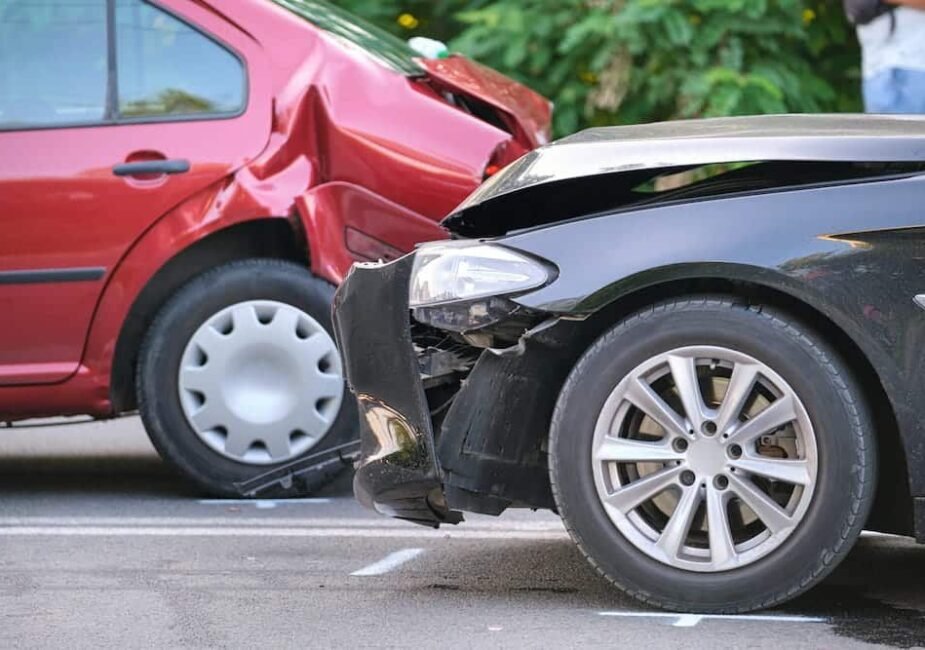
For any company that has to manage the vehicles, a road incident can disrupt the daily operations and have serious impacts. Fleet safety solutions can do a lot to counteract these problems. In the event of an accident, those systems obtain essential information that can shed light on the circumstances. Knowing this information is crucial for investigations, insurance claims, and analyzing future practices.
Immediate Incident Recording
The most advanced safety tool initiates automatic recording as soon as it detects a crash. High-definition images and video, shot from in and outside the vehicle. It provides a clear record of what happened before and after the incident. That evidence is frequently critical for putting the timeline of events together. A fleet safety solution with this capability can give operators a clearer view of incidents when details matter most.
Vehicle Data Collection
Sensors record the performance data for various parameters in commercial vehicles. These systems collect data like speeds, braking forces, and steering input after an event. This technical information may provide clarity on whether speed, distraction, or mechanical breakdowns caused the incident. Such data enables companies to identify and focus on any patterns that require attention.
Driver Behavior Monitoring
Fleet safety solutions usually come with features to track driver behavior. Seatbelt use, cellphone use, and hard braking automatically record as data. This information helps organizations know whether it was a case of human error at all. These behaviors serve as a reminder for organizations to reinforce best practices while identifying bad habits.
Environmental Conditions Documentation
Sourcing a third party can assess the odds of an accident taking place. Several of those safety systems log such parameters, for instance, weather conditions, traffic density, and road surface status when the event occurs. Such details provide investigators a deeper understanding of whether poor visibility or slick roads played a role in the crash. To fairly assign blame and assess the driver’s environmental influence, it’s vital to obtain the context right.
Audio Evidence Collection
Certain safety technologies record in-cabin sound either during an event or immediately afterwards. If the driver was distracted by conversations, alarms, or other noises, audio records will declare the cause. The layer of evidence, as the data indicates, brings in a more significant review; it helps the managers zero in on all types of factors that can lead to the situation.
GPS and Location Tracking
Location data (especially post-traffic) is invaluable. Fleet Safety tools record the exact geographical location of the event. This data is useful for both authorities and companies to recreate the incident in terms of maps and timelines. It also helps emergency response teams to get to the location soon and faster.
Automatic Incident Alerts
Numerous systems also provide instantaneous notifications to fleet managers (via text or email) if an accident occurs. Now, these alerts provide critical information: vehicle ID, vehicle location, and vehicle time. Swift communication allows organizations to act immediately, sending out help or commencing an internal investigation. Prompt knowledge can lower downtime and increase general reaction to it.
Event Timeline Reconstruction
Video, sensor, and location data can be integrated to provide a comprehensive reconstruction of the incident. That allows analysts to reconstruct a second-by-second timeline of events. Having a reconstruction mitigates ambiguity and minimizes arguments and assumptions during post-incident reviews. Clear timelines promote responsible decision-making and accountability.
Insurance and Legal Support
The information collected can provide solid evidence for insurance and legal proceedings. Claim adjudication and liability assessments depend on objective statistics, which insurance companies use to their ardent pleasure. Legal teams utilize these statistics to defend companies and drivers against false allegations. Good records allow for faster settlements by minimizing lengthy investigations as well.
Continuous Improvement and Training
Simply experiencing a particular incident does not end the process of gaining insights from it – quite the opposite. Businesses then leverage these insights to improve policies and driver training initiatives. Learning from previous incidents to understand how things could be better and to avoid repetition in the future. Regular feedback creates a stronger security culture for all workers.
Conclusion
Fleet safety solutions offer so much more than just tracking post-collision. Collecting thorough information that aids investigations, backs accountability, and enhances safety performance. These tools help in recording visuals, technical details, applicable audio, and environmental settings, which permit the organization to act appropriately and assist in avoiding similar incidents in the future. Advanced safety measures represent a dedication to safeguarding human life, property, and reputation while behind the wheel.
Last modified: March 31, 2026