Distracted Driving Accidents: How Technology Impacts Liability
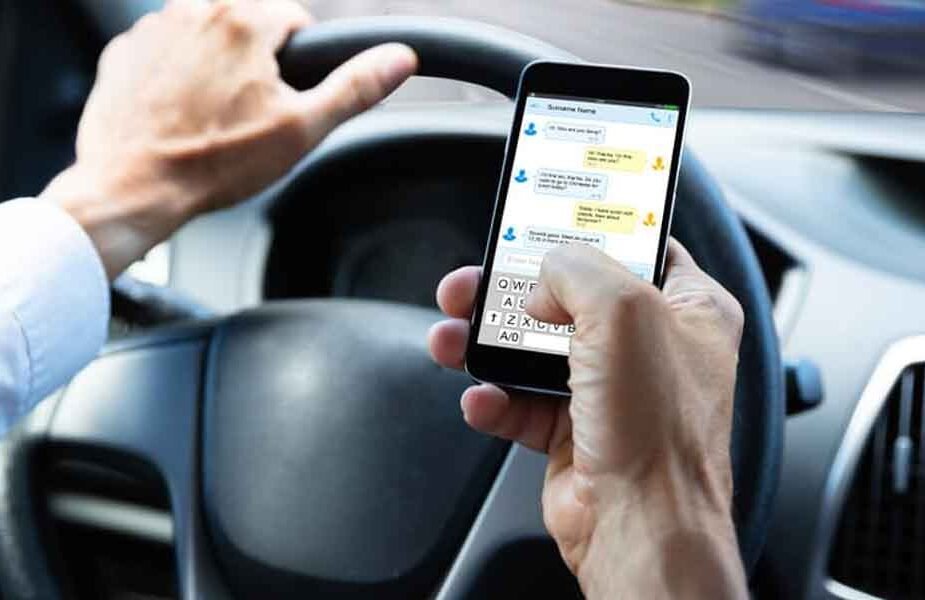
Smartphones have made it easier to stay connected and manage daily tasks. They have also contributed to a growing number of distracted driving accidents across the United States. According to the National Highway Traffic Safety Administration, more than 3,000 fatalities every year are linked to distracted driving, many involving texting or mobile device use behind the wheel.
These numbers reflect more than just a dangerous trend. When someone is injured or loses a loved one in a crash involving a distracted driver, the legal process that follows can be complex. Technology has changed how evidence is gathered, how blame is assigned, and how a distracted driving lawsuit is built and argued in court.
So, how does technology affect liability when distraction leads to a motor vehicle crash in California? Here is what you need to know.
Understanding Distracted Driving
Distracted driving refers to any activity that takes a person’s attention away from the primary task of watching the road and operating the vehicle. Even a brief moment of distraction can significantly increase the risk of a car accident.
There are three primary types of distracted driving behaviors:
- Visual distraction happens when drivers take their eyes off the road, such as when reading a text message or looking at a GPS screen.
- Manual distraction occurs when drivers remove one or both hands from the steering wheel. Common examples include typing on a phone, adjusting in-car controls, or handling a personal device.
- Cognitive distraction involves taking one’s mind off driving, which can happen when deep in conversation, using voice assistants, or focusing on notifications and alerts.
In texting while driving accidents, all three distracted behaviors are often present. The driver looks away to read or type, removes their hands to hold the device, and mentally shifts focus to the conversation. These combined factors are why texting has become one of the most dangerous actions behind the wheel.
Technology such as smartphones, navigation systems, infotainment panels, and wearable devices can also create distractions. Even when used legally, these tools can impair reaction time and decision-making, increasing the likelihood of a crash.
Legal Implications of Technology in Motor Vehicle Accidents
When a crash involves distracted driving, technology often becomes a central factor in determining legal responsibility. Courts and insurance companies may review digital evidence to assess whether the driver was using a cell phone or another electronic device at the moment of impact. This investigation plays a major role in establishing mobile phone crash liability.
Several types of data can be used to reveal what happened before a collision. Phone records may show when a text was sent or received. App usage logs can confirm whether a driver was using social media, navigation tools, or streaming content while driving. Dashcam footage can also capture how the driver behaved in the moments leading up to the crash.
In some cases, vehicle data systems can record sudden braking, steering patterns, and reduced reaction time, which may support claims that distraction contributed to the accident. This kind of evidence can help establish negligence when a driver fails to pay attention to the road due to technology use.
Filing a California Distracted Driving Claim
If you are involved in a crash caused by a distracted driver, the steps you take after the accident can affect the strength of your California distracted driving claim. Documenting the incident and preserving evidence can support your case.
Step 1: Seek Medical Care and Document Injuries
Even if you do not feel immediate pain, it is important to get medical attention. Some injuries, such as whiplash or internal trauma, develop over time. Medical records provide key documentation that links your injuries to the accident.
Step 2: Collect Evidence of Possible Distraction
If it is safe to do so, take photos of the accident scene, damaged vehicles, road signs, or skid marks. If you noticed the other driver using a phone, adjusting a GPS, or looking away from the road, write down your observations. Witness statements can also help support claims of distraction. Later, phone records or app usage logs may be used to show driver activity at the time of the crash.
Step 3: Report the Car Accident
Notify law enforcement to create an official accident report. These reports sometimes include observations about distracted behavior or citations for cellphone use while driving. They can be valuable evidence when pursuing a claim, and sharing this report with a car accident lawyer can help strengthen your case.
Step 4: Keep Records and Communicate Carefully
Save all bills, medical reports, and correspondence related to the accident. When speaking to insurance companies, focus on facts and avoid making assumptions about fault. Statements made too early can sometimes impact the outcome of a legal claim.
Driver Negligence and Technology
In California, distracted driving is treated as a form of negligence when it causes harm to others. Drivers have a legal duty to operate their vehicles safely and follow traffic laws. When a driver becomes distracted by technology, and that distraction leads to a crash, they may be found legally responsible for the resulting damages.
California Vehicle Code Section 23123.5 bans drivers from texting, emailing, or using a handheld mobile device while operating a vehicle. Violating distracted driving laws may demonstrate negligence in a personal injury claim. When negligence is proven, the at-fault driver may be held financially liable for medical costs, property damage, lost wages, and pain and suffering.
Pursuing a Distracted Driving Lawsuit
When distraction contributes to a crash, building a strong distracted driving lawsuit often requires more than photos or eyewitness accounts. Technology-based evidence plays a vital role in proving liability and showing how the at-fault driver was not fully focused on the road.
Personal injury attorneys may help access and interpret key evidence, including:
- Phone records and app usage logs that show texts, calls, or notifications at the time of the crash.
- Dashcam footage that captures the driver’s behavior and vehicle position.
- Vehicle data showing sudden braking, delayed reaction time, or reckless driving.
- Expert analysis to connect mobile device activity to reduced attention and unsafe driving behavior.
Past distracted driving lawsuits have demonstrated how digital records can confirm distraction and help establish negligence. When mobile device use is proven to have contributed to the crash, it strengthens the injured party’s claim for compensation.
Final Thoughts
If you were injured in an accident involving a distracted driver, protecting your rights starts with understanding how technology affects fault and accountability. Speak with an experienced attorney to learn how evidence can support your case and help you pursue fair compensation.
Last modified: March 31, 2026