Pre-Procedure Checklist for Safe Supraglottic Airway Device Use
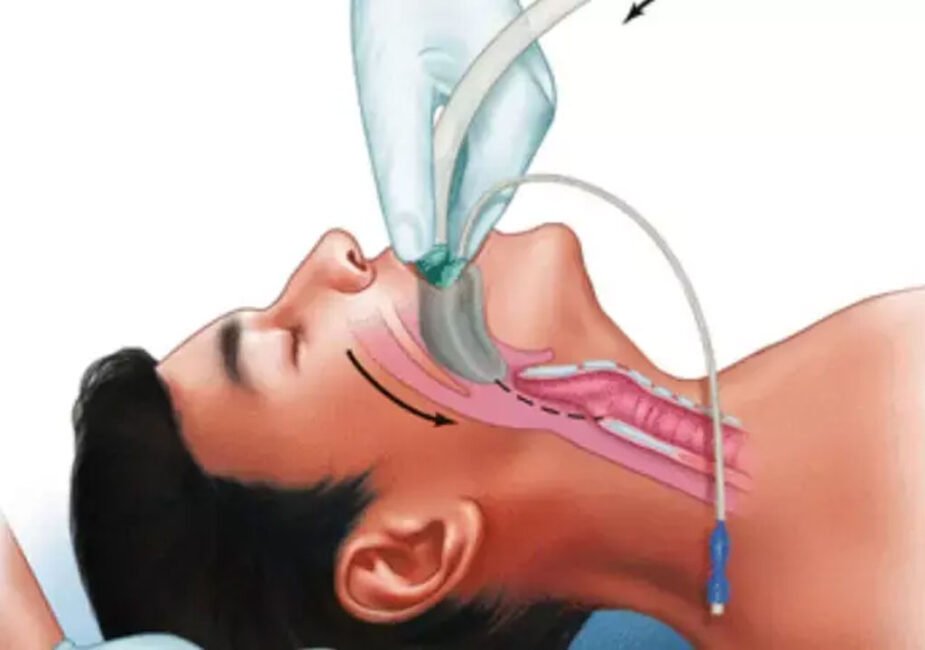
A well-prepared airway team makes a measurable difference in patient outcomes. Every procedure that involves airway management demands a clear, step-by-step process before the patient ever enters the room. A missed step at the start can create serious problems that are hard to correct mid-procedure.
Checklists have become a standard tool for clinical teams because they remove reliance on memory alone. This article covers the essential pre-procedure steps to use supraglottic airway devices from start to finish.
Patient Assessment Before Airway Placement
A thorough patient assessment forms the foundation of every safe airway procedure. The clinical team must evaluate below things:
- patient’s anatomy
- medical history
- current health status
- mouth-open distance
- neck mobility
- body weight
Supraglottic airway devices offer flexible options for different patient profiles, but the right choice depends entirely on what the assessment reveals. A complete assessment also helps the team prepare for any adjustments the procedure may require.
Team Communication and Role Clarity
Clear communication between every team member is a non-negotiable step before any airway procedure. The lead clinician must confirm the full airway plan with the trained assistant and all support staff present. Each person on the team should understand their specific role and what to do if the primary approach requires a change. A verbal briefing before the procedure helps eliminate confusion and keeps the entire team coordinated. When everyone operates from the same plan, the procedure moves forward with greater precision and confidence.
Device Preparation and Equipment Check
A proper equipment check protects the patient and gives the team full confidence before the procedure begins. Every item on the airway tray must be verified as present and fully functional. Inspect the device for any visible damage, cracks, or material defects before use. Also, verify the cuff by inflating it fully, then deflating it to confirm there are no air leaks.
Monitor Device and Medication Readiness
Continuous patient surveillance must be active before any airway procedure starts. The team must confirm that oxygen saturation, capnography, and vital sign monitors are all connected and functional. Capnography provides real-time confirmation of correct placement and ventilation status throughout the entire procedure. Here is what the team should confirm on the monitor and medication checklist:
- Connect pulse oximetry and confirm a stable, accurate waveform on the monitor.
- Attach capnography equipment and verify it reads correctly before proceeding.
- Establish IV access in a suitable vein and confirm patency with a small saline flush.
- Draw up and label all required airway medications in advance for immediate access.
- Confirm that emergency medications are present and within reach of the clinical team.
Patient Position and Oxygen Support
Correct patient position directly affects how well the airway team can access and manage the airway. The team must place the patient in the optimal head and neck alignment before pre-oxygenation begins. Pre-oxygenation with 100 percent oxygen for three to five minutes builds an adequate reserve in the patient’s lungs. This reserve gives the team extra time to complete a safe placement without the pressure of rapid oxygen decline. Supraglottic devices perform best when the patient starts the procedure with a full oxygen reserve and proper anatomical alignment.
A complete pre-procedure checklist does more than organize a team. It creates a culture of precision where every step receives the attention it deserves. Patient assessment, team communication, device selection, monitor setup, and proper patient position each serve a distinct purpose that protects the patient. Clinical teams that adopt a formal checklist protocol see consistent results across all procedures. Start with a written, facility-approved checklist today, review it with the full team before each session, and commit to zero skipped steps every time.
Last modified: March 30, 2026