How to Transition From Basic Security to Advanced Data Protection Standards
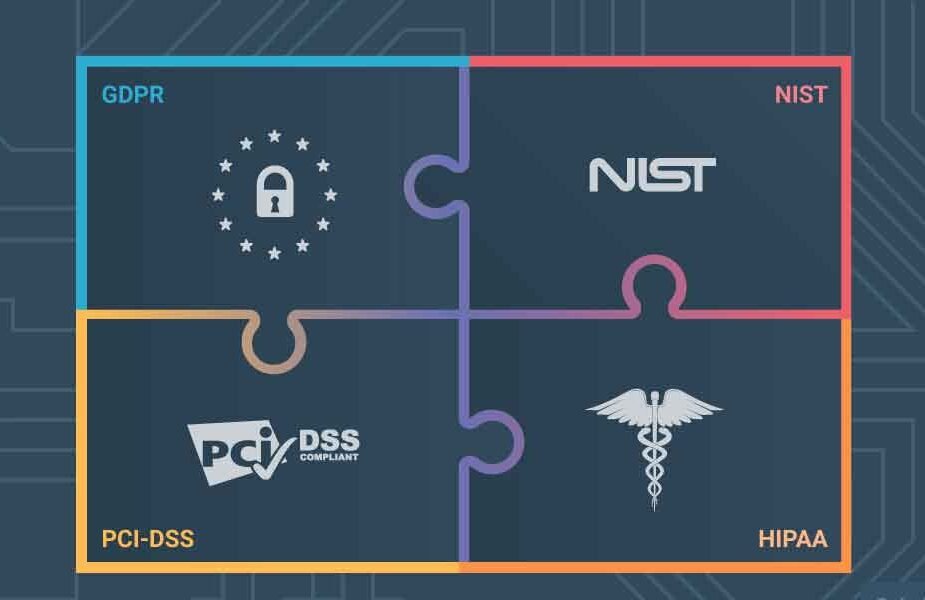
Many companies don’t know where to start. They’re running to stay in the same place: grappling with the volume and velocity of an impact from security incidents, while also struggling to keep up with a steady stream of new compliance requirements. This doesn’t have to become a self-reinforcing cycle of increasingly complex and piecemeal security improvements.
What “basic” actually means (and where it breaks down)
When rephrased into more human terms, the redesign could look like this: “With basic security, you try to protect everything equally, throwing a big hard shell around your organization and all of its IT assets”. You put an awful lot of trust in your employees because once someone is inside that shell, they pretty much have the run of the place. And, let’s face it, if they wanted to cause harm, there are about a trillion ways they could do it. Some of that protection is going to fail, there’s nothing in place that’s going to automatically notify you if it does, and no one has ever gotten around to writing down what to do next.
Taking the next step is an inevitability for companies working in sophisticated industries such as national defense. The Department of Defense has unofficially classified the Defense Industrial Base as one of the 17 sectors pervasive with the most valuable and eagerly sought intellectual property – so having ample security measures in place is key for any partner involved in this sector.
The maturity jump: from reactive to documented
The priority, though, is changing the way you think about what’s happening.
The technical controls that separate tiers
There are some technical requirements that when looked at, time and again, separate basic programs from advanced.
For example, multi-factor authentication is basically a given at higher maturity levels. It doesn’t matter how fantastic your password policy is if sensitive systems can be accessed with ‘just a password.’
Basic setups often encrypt data in transit but not at rest. At a certain point, failing to do both is a dealbreaker. This doesn’t apply everywhere, but you see it a lot. Especially since configuration files are often overlooked – they’re always in an encrypted tunnel until we need to debug something, right?
Those are the basics, but the one that catches most organizations off guard is the amount of noise advanced configurations generate, and how easy it is to miss the really important stuff in all that chatter. Cozying up with the idea of manual log reviews is what leaves the door open to an attacker doing whatever they want between check-ins. Noisy alarms are easy to ignore. The scary ones that are hard to notice in the “normal” background radiation are where the real threats lie.
Meeting federal standards: NIST, CMMC, and what they require
For organizations in any of these situations, the underlying calculus is straightforward. Compliance puts you in alignment with a set of good security practices, and there is real value to vetting and verifying whether you’re doing everything you should. Organizations working toward cmmc level 2 certification are assessed against 110 NIST SP 800-171 controls, and at this level, self-attestation isn’t always sufficient – Third-Party Assessment Organizations verify whether controls are genuinely implemented, not just documented.
GDPR gives the EU the authority to impose fines on non-compliant organizations up to 4% of your annual global turnover. In general, more governments are increasing regulatory pressure for improved security practices going forward.
Moving from access assumptions to least privilege
A key differentiator between mature programs and basic ones is the application of least privilege. Rather than giving users permission to everything and then coming back to clean up where they shouldn’t have access, least privilege is the concept of giving each user the fewest levels of permissions necessary for their role – and nothing more.
It’s also not a “set and forget” type of security. Organizations must engage in regular access reviews, establish and maintain proper role definitions, and develop the processes to quickly remove access when a user changes roles. It’s not particularly sexy, but it’s incredibly effective at reducing your risk from insider threats and compromised accounts.
Add in a formal Incident Response Plan – a defined procedure for identifying, containing, and recovering from security incidents – and you’ve got your organization out of a “protective” defensive position and into an essential “resilience” mindset.
Real compliance with advanced cybersecurity isn’t a point in time. It’s a daily, weekly, monthly, and yearly program that you develop, implement, and constantly evolve. The organizations that adopt this mentality early are the ones that aren’t caught flat-footed when the next spate of threats arrives – and they eventually will.
Last modified: March 26, 2026