How Color-Coding Lanyards Improve On-Site Security and Crowd Management
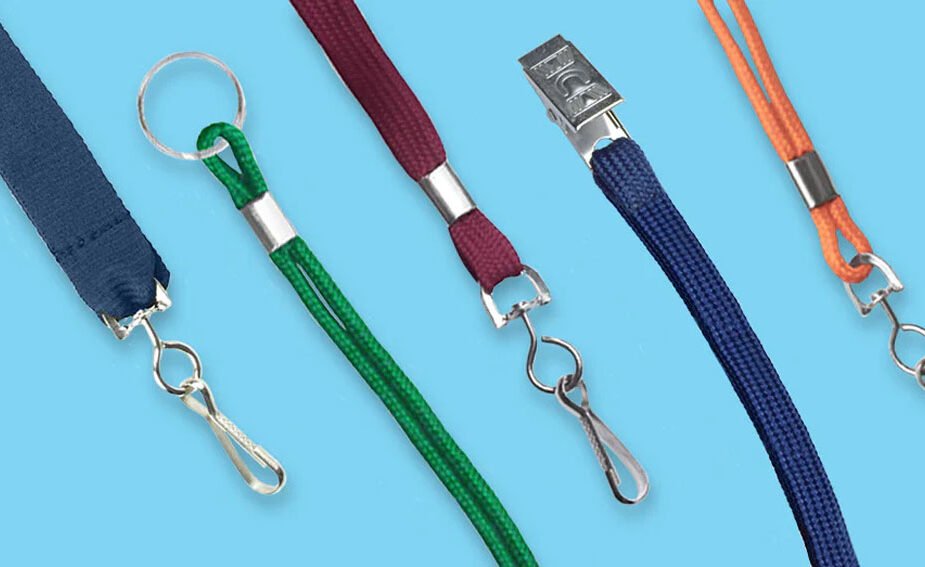
Managing a large-scale event—whether it’s a high-profile corporate conference, a multi-stage music festival, or a secure government summit—requires a seamless blend of logistics and security. One of the most significant challenges organizers face is “at-a-glance” verification. In a crowded venue, security personnel and staff do not always have the time to stop every individual and scan a digital code or read small print on a badge. This is where the strategic implementation of color-coding comes into play. By using distinct visual markers, specifically through custom neckwear, organizers can create a high-functioning, silent communication system that drastically improves safety and flow.
The Psychology of Visual Cues in Security
Human cognition is hardwired to process colors faster than text or shapes. In a high-stress or high-density environment, a security guard can identify a “Red” lanyard as “Unauthorized in this Zone” much faster than they can read the words “General Admission” on a moving ID badge. This split-second recognition is the foundation of effective crowd management.
When you implement a color-coded system, you are essentially creating a human “heat map” of your venue. If a sea of blue lanyards (General Attendees) suddenly flows into a zone designated for green lanyards (VIP/Backstage), the anomaly is immediately visible to both human eyes and CCTV cameras. This proactive approach allows security teams to intercept potential breaches before they escalate.
Organizing Tiers: The “Why” Behind the Palette
The “How” of setting up a color-coded system depends on the complexity of your event tiers. A standard professional framework often looks like this:
- Red or Neon Orange: High-access personnel, such as Emergency Medical Technicians (EMTs), Lead Security, and Fire Marshals. These colors demand immediate attention and indicate authority.
- Blue or Navy: General Admission. These are the most common colors and should contrast sharply with staff colors.
- Green or Gold: VIPs, Keynote Speakers, and Sponsors. These indicate that the wearer should receive premium service and has access to restricted lounges.
- Yellow or Bright White: Event Staff and Volunteers. These allow attendees to quickly find someone who can provide directions or assistance.
- Black or Grey: Press and Media. This identifies individuals authorized to carry heavy camera equipment or enter designated media pits.
For organizers looking to source a diverse range of colors and durable materials, 4inlanyards offers a comprehensive suite of customization options. Utilizing a professional supplier ensures that the colors are consistent across thousands of units, preventing “color bleed” or shade variations that could confuse security staff.
Improving Crowd Flow and Logistics
Beyond security, color-coding is a masterclass in logistics. Large venues often struggle with “bottlenecks”—points where too many people gather at once. By assigning different colors to different entry times or lunch shifts, staff can manage lines more effectively. For example, “Blue Lanyards” might be directed to Hall A for lunch at 12:00 PM, while “Yellow Lanyards” go to Hall B.
This visual sorting also assists in “Wayfinding.” If an attendee is lost, a staff member can look at their lanyard color and immediately know which zone they belong in without needing to ask for their itinerary. This reduces friction and improves the overall “user experience” of the event.
Technical Specifications for Secure Lanyards
The “How” of your lanyard design should also incorporate physical security features. Color-coding is the first line of defense, but the construction of the lanyard itself supports the system:
- Anti-Twist Attachments: There is nothing more frustrating for security than a badge that keeps flipping over. Using “No-Twist” plastic hooks or double-ended clips ensures the colored side and the ID face stay visible at all times.
- Width for Visibility: While 10mm lanyards are discreet, 20mm or 25mm widths provide a larger “color block” that is much easier to see from a distance of 10 to 20 feet.
- Breakaway Features: In high-traffic environments or industrial settings, safety is paramount. High-quality lanyards should include a breakaway clasp that releases under tension to prevent choking hazards, ensuring that your security measures don’t become safety risks.
Digital Integration: The Future of the Lanyard
Modern crowd management often pairs color-coding with technology. Many organizers now embed RFID or NFC chips directly into the fabric or the attached badge. While the color provides the immediate visual cue for the “human” element of security, the chip provides the “digital” handshake for data tracking and lead retrieval. This dual-layer approach—visual and digital—creates a nearly foolproof environment for managing thousands of people.
Conclusion: A Simple Tool for Complex Problems
In an era of high-tech security, the humble lanyard remains one of the most effective tools in an organizer’s arsenal. It is cost-effective, easy to distribute, and universally understood. By shifting from a “one-size-fits-all” approach to a strategically color-coded system, you empower your staff, protect your VIPs, and ensure a smooth experience for your attendees.
When planning your next large-scale activation, remember that the color around an attendee’s neck is more than just a decoration—it is the key to a safe and organized event. Exploring professional options at 4inlanyards can help you find the exact specifications needed to turn your logistics plan into a visual reality.
Last modified: April 6, 2026