Fatal Road Accidents and the Legal Questions Every Family Deserves Answers To
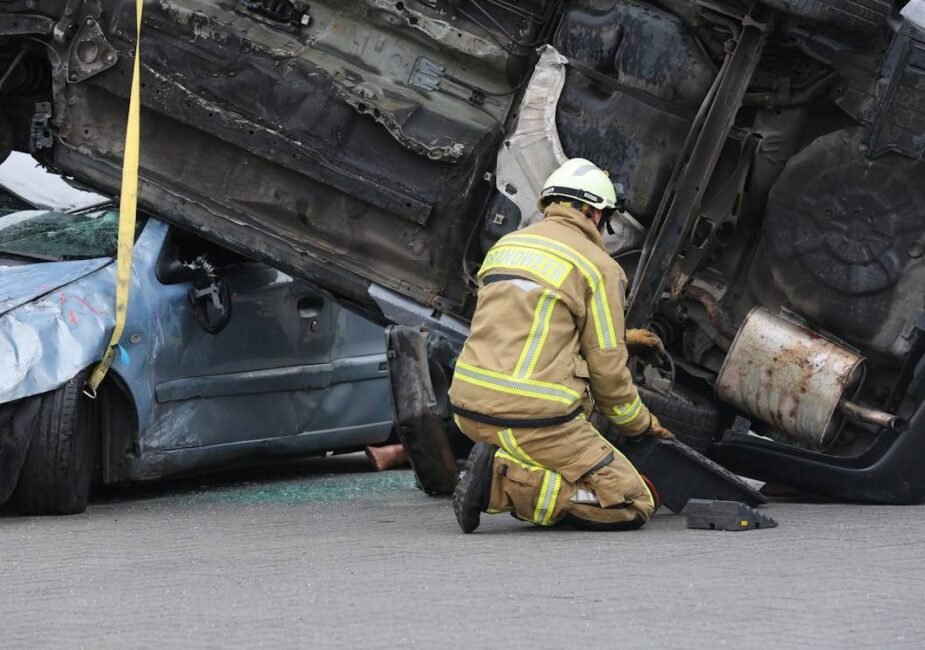
When a loved one dies in a motorcycle accident, life as your family knows it changes forever.
In the hours, days, and weeks after someone you care about passes away, your mind starts racing with legal questions. Who was at fault? Can a lawsuit be filed? What are your rights?
These questions aren’t easy. And there isn’t someone holding your hand to guide you through the answers.
But they matter more than you might realize.
In this article:
- Why Motorcycle Accidents Are So Deadly
- When Does a Fatal Accident Become a Lawsuit?
- What Families Need to Know About a Motorcycle Fatality Lawsuit
- The Most Common Legal Questions After a Fatal Crash
- How to Take the Next Step
Why Motorcycle Accidents Are So Deadly
Statistically speaking, riding a motorcycle is dangerous.
As reported by the Insurance Institute for Highway Safety, motorcycles killed 6,335 riders in crashes during 2023, the highest number ever recorded. Motorcycle fatalities have risen 26% since 2019. Deaths involving motorcycles now account for 15% of all motor vehicle crash deaths.
The reasoning behind why motorcyclists are dying at higher rates comes down to one simple reason:
Motorcycles offer the rider next to no protection upon impact.
Motorcyclists don’t have a protective metal frame around them. They don’t have airbags. They don’t have crumple zones. Basically, when a motorcycle collides with something at high speeds, there’s a good chance the rider will be killed or seriously injured. Motorcyclists are 28x more likely to die in a crash than passengers in vehicles.
That’s not somewhat more likely. That’s significantly more likely.
In fact, 65% of fatal motorcycle accidents involved another vehicle. And sadly, in many of those crashes, the driver didn’t even see the motorcycle.
When Does a Fatal Accident Become a Lawsuit?
Not every motorcycle accident results in legal action.
If another person caused the accident through reckless behavior or negligence? Now you’re looking at a different story. Families have rights. They have options. And they absolutely deserve to know what those options are.
Understanding the difference between wrongful death or accidental death is often the first step to understanding how a motorcycle fatality lawsuit works. If someone died because of another party’s negligent or reckless actions, families have the right to file a wrongful death lawsuit. If a person dies as a result of something that isn’t anyone’s fault? It may be considered an accidental death.
This determines if your family has the right to file a lawsuit and seek compensation for your loss.
Here are some of the most common causes of negligence that result in fatal motorcycle crashes:
- Negligent drivers failing to look before turning or changing lanes
- Motorists failing to yield at stop signs or red lights
- Drivers who are under the influence
- Dangerous roadways that aren’t well maintained
- Defective motorcycle parts causing the rider to lose control
If negligence played any role in your loved one’s death, it’s worth learning more about motorcycle fatality lawsuits.
What Families Need to Know About a Motorcycle Fatality Lawsuit
No family ever plans to file a wrongful death claim against someone.
However, if negligence played a factor in your loved one’s death, every family has the right to understand their legal options.
Here are a few things to know about wrongful death claims after a motorcycle accident.
1. How to establish liability
Before any lawsuit can be filed, it needs to be established who was at fault. If it cannot be proven that another party was negligent before your loved one died, there will be no basis for legal action.
An attorney will work with the police, any witnesses that came forward, traffic camera footage, and crash reconstruction experts to determine liability. Only then can legal counsel advise on how to proceed with a lawsuit.
2. Who can actually file a lawsuit?
Wrongful death lawsuits can typically be filed by:
- The spouse of the deceased
- Children of the deceased rider
- Parents (if no spouse or children exist)
- Other dependents in certain states
Talk to your attorney about who can file a lawsuit on behalf of your loved one.
3. How much you could recover
Wrongful death lawsuits can allow families to recover compensation for:
- Medical bills that built up before the deceased person passed away
- Funeral expenses and burial costs
- Lost wages and future earning potential
- Pain and suffering
As you can see, there are many factors that come into play when trying to calculate damages.
4. Act within your state’s statute of limitations
Similar to personal injury claims, every state has a time limit for how long families have to file a wrongful death lawsuit. Waiting too long may forfeit the right to pursue legal action and file for compensation.
Understanding each of these aspects can help you understand how lawsuits work. But that doesn’t mean anyone has to deal with any of it alone.
The Most Common Legal Questions After a Fatal Crash
Can a lawsuit still be filed if the motorcyclist was partly at fault?
Yes, a claim can still be filed if a loved one was partially at fault for the accident. While some states do require a party to be less than 50% responsible for an accident to receive compensation, many states follow “comparative negligence” rules.
With comparative negligence, compensation will be reduced by the loved one’s percentage of fault. But damages can still be recovered even if the rider was partially at fault.
Do helmet laws matter?
Helmet laws primarily affect how families can recover damages from a lawsuit. Some states have laws that allow the opposition to reduce damages if the rider was not wearing a helmet. But regardless of helmet usage, a qualified attorney can still fight for compensation for your loss.
How long will a motorcycle fatality lawsuit take?
Every case is different. Some cases are settled in a matter of months. Others can take years to play out, especially if liability is denied or the damages suffered are extensive.
Once an attorney has all the facts, they will be able to explain how long your case could take.
Should I talk to my insurance company first?
Absolutely not. Insurance companies are in the business of paying out as little money as possible. Families who contact their insurance company before consulting with an attorney may unknowingly say things that lower their chances of receiving compensation.
Here’s What It All Comes Down To
Losing a loved one in a motorcycle accident is tragic. Dealing with the legal information that follows can feel overwhelming.
But understanding your rights and how wrongful death lawsuits work can help you know what steps to take next.
Three things every family should do after a fatal motorcycle accident:
- Determine if negligence was involved. If someone died because of a preventable mistake, it’s important to understand what options are available.
- Learn about your legal rights. Understanding the difference between wrongful death or accidental death helps families better know what can be filed.
- Find an experienced motorcycle accident attorney. Everyone reacts differently to losing a loved one — knowing that the right legal team is in your corner can make a real difference.
Motorcycle fatalities are on the rise across the nation. With 35% of motorcyclists in fatal accidents found to be unlicensed riders, and almost 1 in 4 deadly accidents involving alcohol, it’s more important now than ever to understand your legal options.
And for families who lost a loved one because another driver wasn’t paying attention? Working with the right legal team can help hold them accountable.
Last modified: March 5, 2026