Injured in a Motorcycle Accident but Not Sure If You Have a Case? Here’s What to Consider
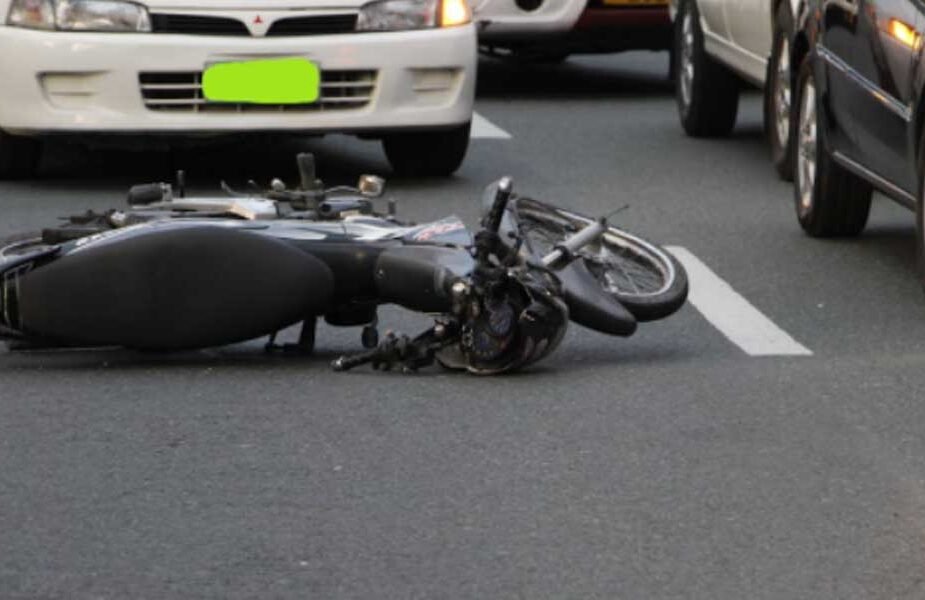
Motorcycle crashes are a serious issue across Colorado. Riders face heavy traffic in Denver, fast-moving highways along the Front Range, and sharp turns in the mountains. Many collisions happen because a driver claims they did not see the motorcycle or misjudged its speed. After the crash, injured riders often deal with more than pain. They face hospital visits, repair costs, missed work, and insurance calls that start almost right away.
In the middle of all this, one question keeps coming up: Do I actually have a case? Many riders feel unsure. They may blame themselves. They may think their injuries are not serious enough. This article explains what really matters when deciding whether you may have a valid claim.
Be Careful When Insurance Companies Call
Insurance adjusters often reach out soon after a crash. They may sound friendly and concerned. Their job, however, is to limit how much the company pays. They may ask for a recorded statement or push you to accept a quick settlement. Before agreeing to anything, take time to understand your injuries and costs.
Early settlement offers often arrive before the full impact of the crash becomes clear. You may still need follow-up care or miss additional work. Once you accept an offer, you usually cannot go back and ask for more. Speaking with Colorado’s local motorcycle law firm, like Rider Justice, can help you understand your options before you sign away your rights.
Your Injuries Must Be Real and Documented
Not every crash leads to a strong injury claim. To move forward legally, you must show that the accident caused actual harm. That harm can include broken bones, road rash, head injuries, back pain, or other conditions that require treatment. What matters most is documentation. Medical records connect the crash to your injuries and show how serious they are.
Some riders try to tough it out and skip medical care. That decision can hurt both your health and your case. If you wait too long to see a doctor, insurance companies may argue that something else caused your pain. Getting checked right away protects you and creates a clear record of what happened.
What You Did After the Crash Matters
Your actions in the hours and days after the accident can affect your potential case. Calling the police creates an official report. Taking photos of the scene, vehicle damage, and your injuries can preserve important evidence. Getting contact details from witnesses can also help later if there is a dispute about what happened.
If you did not gather much evidence, do not panic. There may still be traffic cameras, nearby businesses with security footage, or independent witnesses who saw the crash. The sooner you begin looking into these details, the better. Evidence can disappear quickly. Acting promptly gives you a stronger position if you decide to pursue a claim.
Shared Fault Does Not Always End Your Case
Many riders worry that if they made even a small mistake, they cannot recover compensation. Colorado follows a rule that allows injured people to seek damages as long as they were not mostly at fault. This means you can still have a case even if you share some responsibility for the crash.
For example, a driver may have turned left in front of you, but the insurance company might argue that you were slightly over the speed limit. That does not automatically cancel your claim. It may reduce the amount you can recover, but it does not erase your rights. Understanding how shared fault works helps you make a more informed decision about your next step.
Do Not Ignore Colorado’s Filing Deadlines
Colorado law limits how long you have to file a lawsuit after a motorcycle crash. In most traffic-related injury cases, the deadline is three years from the date of the accident. If the crash did not involve a motor vehicle, the deadline may be shorter. Once that time passes, courts usually dismiss the case, no matter how strong the facts are.
Waiting can also create practical problems. Witnesses move away. Memories fade. Physical evidence disappears. Insurance companies may delay communication, hoping you will give up. Even if you feel unsure about filing a claim, you should learn how much time you have. Knowing the deadline helps you protect your rights while you decide what to do next.
Clear Signs Your Claim Has Strength
Certain facts tend to support a strong motorcycle injury case. If the other driver received a traffic citation for causing the crash, that often helps establish fault. Independent witnesses who confirm your version of events also strengthen your position. Medical records that clearly link your injuries to the accident matter just as much.
Insurance coverage is another factor. If the at-fault driver carries liability insurance, there may be a clear source of compensation. If not, your own uninsured or underinsured motorist coverage may apply. A strong claim usually includes clear fault, documented injuries, and measurable financial losses. When those pieces line up, you likely have solid grounds to move forward.
When Doubt Should Not Stop You
Many injured riders hesitate because they feel unsure or overwhelmed. They may worry about court, legal costs, or how long the process might take. In reality, most motorcycle injury claims resolve through negotiation rather than trial. You do not need to decide everything at once.
Start by gathering your medical records, accident report, and insurance information. Ask questions. Learn how the process works. Doubt should not prevent you from protecting yourself. If someone else’s careless driving caused your injuries, you have the right to explore your options. Taking that first step often brings clarity and peace of mind.
After a motorcycle accident, confusion is common. You may deal with pain, repair costs, missed work, and constant phone calls from insurance adjusters. It is easy to question whether your situation qualifies as a legal case.
The answer depends on a few key factors. Did someone else cause the crash? Do you have documented injuries? Have those injuries created financial or personal losses? Are you still within legal deadlines?
If the facts show that another driver’s actions led to real harm, you may have a valid claim. You do not have to guess. Gather information, review your options, and seek advice if needed. Clear facts, not fear or pressure, should guide your decision.
Last modified: February 26, 2026