What Defines Commercial Flex Space & How It Differs from Traditional Properties
In today’s dynamic real estate market, businesses increasingly seek flexible, cost-efficient solutions to meet their evolving needs. Commercial flex space has emerged as an innovative response to these demands. But what exactly is commercial flex space, and how does it differ from traditional commercial properties? This article will break down the concept of flex space, explore its features, and explain how it compares to traditional office, retail, and industrial spaces.
What is Commercial Flex Space?
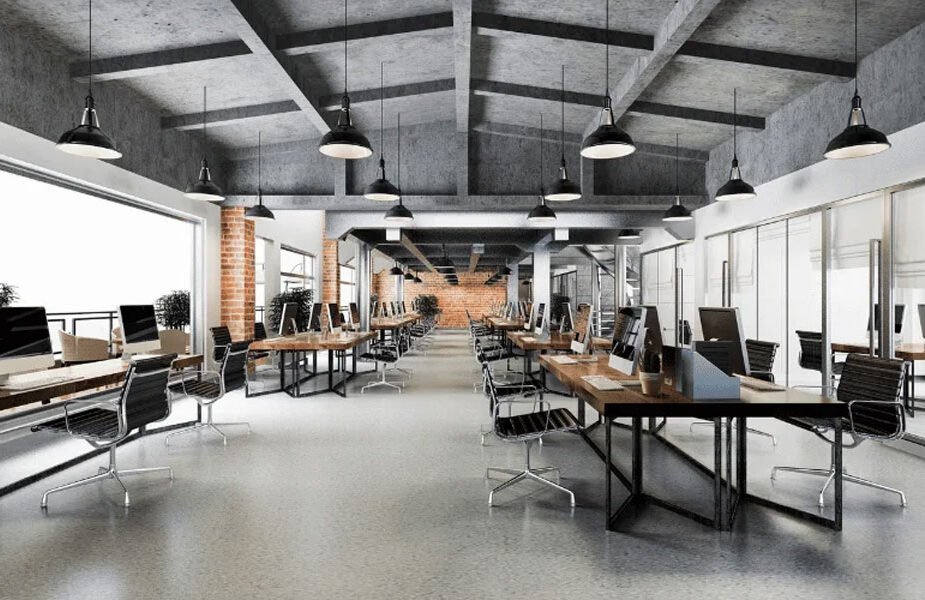
Commercial flex space refers to versatile real estate that can be customized for a variety of business uses. It combines elements of office, industrial, and retail spaces into a single adaptable property. Typically, these spaces are designed for flexibility, allowing tenants to reconfigure layouts, adjust space use, and scale operations to meet their specific needs.
In a commercial flex space, businesses might occupy an area with an open floor plan, high ceilings, and wide doorways, ideal for activities such as light manufacturing, distribution, storage, or office work. The goal is to strike a balance between functionality and an attractive work environment, while minimizing overhead costs.
Key Features of Commercial Flex Space
- Versatility: The hallmark of flex space is its adaptability. Businesses can use the same space for various functions—whether it’s as an office, retail location, or small-scale warehouse.
- Scalable: Flex spaces are typically available in a range of sizes, allowing businesses to start small and expand as needed.
- Cost Efficiency: Flex spaces are often more cost-effective than traditional commercial properties, with many leasing agreements offering short-term contracts that reduce long-term commitments.
- Customization: Tenants may modify their spaces to meet their unique needs, such as partitioning offices, installing shelving for storage, or creating open areas for collaborative work.
- Location: Flex spaces are often strategically located in urban areas with convenient access to transportation networks, making them appealing for businesses that need logistical advantages.
How Does Flex Space Differ from Traditional Commercial Properties?
While flex spaces offer numerous advantages, they differ in several key ways from traditional office, retail, or industrial properties.
Design and Layout Flexibility
Traditional commercial properties tend to be more rigid in design. For example, office buildings typically have fixed walls, set floor plans, and a more formal design geared toward a single purpose—office space. Retail spaces are often tailored to a specific type of business, with features like large display windows or specialized shelving. Industrial spaces, such as warehouses, are designed to accommodate specific machinery or storage requirements.
In contrast, flex spaces are designed with flexibility at their core. Their open floor plans allow easy modification, enabling businesses to adjust the layout as needed without major structural changes. This makes them particularly appealing to startups, small businesses, and companies anticipating growth or operational shifts.
Leasing Terms and Costs
Traditional commercial properties typically involve long-term leases, which can be costly for businesses, particularly smaller or newer ones. In addition, tenants are often required to make substantial upfront financial commitments, such as tenant improvements or property maintenance.
On the other hand, flex space leasing is generally more flexible. Many flex space providers offer shorter lease terms, ranging from months to a few years, allowing businesses to make shorter-term commitments. These terms often include amenities such as internet, utilities, and, in some cases, office furniture. Additionally, the cost per square foot for flex space is often lower than that of traditional commercial properties, which is particularly beneficial for businesses looking to minimize overhead.
Maintenance and Operations
In traditional commercial properties, tenants are often responsible for the upkeep of their leased space, and they may need to manage their own utilities, repairs, and maintenance. This can lead to significant time and financial commitments.
Flex space, however, is typically part of a managed property, where the landlord handles many of these operational responsibilities. This arrangement allows businesses to focus on their core activities rather than on day-to-day building maintenance. This hands-off approach appeals to entrepreneurs and businesses that need to prioritize operational efficiency.
Community and Networking
One major benefit of flex spaces is the potential for networking and collaboration. Many flex spaces are part of shared office environments, or coworking spaces, where businesses can connect with like-minded professionals, share resources, and even collaborate on projects. These spaces foster a community-driven culture that is often absent in traditional commercial properties.
In traditional commercial properties, businesses tend to be more isolated. The design of a traditional office or retail space typically does not facilitate interaction among tenants unless companies proactively create networking opportunities.
Location Flexibility
Traditional commercial spaces are often located in specific districts—office buildings in business districts, retail spaces on high-street locations, and industrial properties in industrial zones. While these properties meet their specific needs well, businesses may be limited in their location options.
Flex spaces, however, are more likely to be found in a variety of locations, including less traditional areas. This allows businesses to choose a location that best fits their operational needs, whether they seek proximity to suppliers, customers, or transportation hubs.
Why Businesses Are Choosing Flex Space
The rise of the gig economy, remote work, and changing business models has led more companies to prioritize flexibility. Flex spaces address these needs, enabling businesses to adapt quickly to market changes and manage costs efficiently.
For startups and small businesses, flex space offers an ideal solution, providing the flexibility to scale up or down without the burden of long-term commitments. For larger companies, flex space offers a strategic advantage when expanding into new regions or experimenting with new business lines without investing heavily in traditional real estate.
Conclusion
Commercial flex space represents a significant shift from traditional commercial properties, enabling businesses to scale, customize, and operate more efficiently through flexible leases and cost-effective options. Its versatility, lower costs, and collaborative environment make it an attractive option for businesses of all sizes, especially those seeking dynamic, adaptable solutions to keep pace with the fast-paced world of modern commerce. As companies continue to evolve, demand for commercial flex space is likely to grow, reshaping how businesses think about real estate.
Last modified: February 20, 2026