8 Smart Chicken Coop Design Ideas for Healthier, Happier Hens
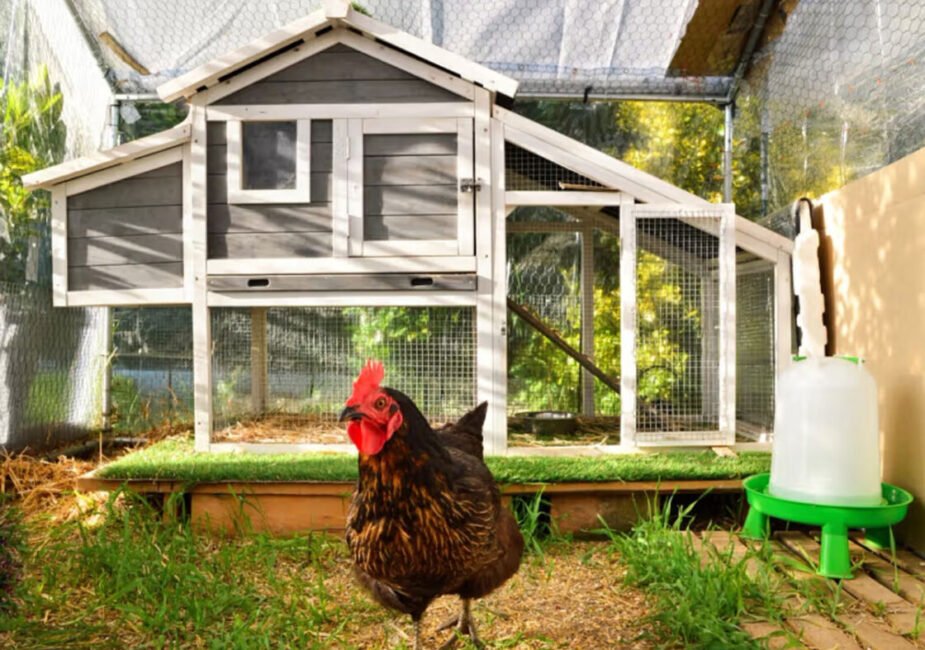
Healthy hens rely on clear space, simple access, and thoughtful layouts. Many keepers check sturdy coops when they want a setup that supports daily comfort and flock stability, says KRS Charlottesville team. Each design detail shapes how birds rest, eat, and explore. Smart choices guide behavior that stays calm throughout the day. A well-planned coop promotes clean habits and smooth routines. Birds sense comfort when their home feels balanced. The keeper gains confidence through consistent structure. Every part of the design contributes to a stable flock.
1. Spacious Interiors That Support Calm Movement
Adequate space inside the Chicken Coops helps hens avoid conflict. Birds settle well when they have room to shift without pressure. Wide floors reduce crowd stress during morning and evening routines. Clear zones help hens rest and feed without sharp reactions. A structured interior keeps activity smooth throughout each day. Calm movement improves flock behavior over time. Birds sense order when they see reliable spacing. A spacious design supports long-term comfort.
2. Secure Doors That Provide Easy Keeper Access
A strong door adds safety while giving the keeper simple entry. Large panels help with quick checks inside the coop. Hens react better when the keeper moves without sudden disruption. The door acts as a key point for feed and water checks. Clear access points improve daily cleaning time. Secure latches protect birds at night. A stable hinge supports daily use without strain. Each detail adds reassurance for the flock.
3. Removable Trays That Improve Clean Habits
Removable trays help maintain a fresh interior. The keeper can pull waste out quickly with minimal effort. Clean surfaces reduce odor and prevent insect issues. Birds respond well to a tidy home that feels dry. This feature supports daily routines for both hens and keepers. A smooth cleanup allows faster transitions between tasks. Trays help prevent debris buildup in corners. A clean base influences overall flock health.
4. Ventilation Paths That Maintain Dry Air
Good ventilation helps manage moisture throughout the coop. Dry air reduces mold and supports easier breathing for hens. Well-placed vents improve temperature control during warm months. Birds stay more active when they enjoy steady airflow. Moisture control prevents damp bedding and related discomfort. The keeper gains relief through stable air quality. Air flow reduces unwanted odor that unsettles the coop. This feature plays a vital role in flock comfort.
5. Durable Hardware That Strengthens Daily Function
Quality hardware shapes how long a coop stays dependable. Hinges must endure repeated use without weakening. Locks help keep predators away during night hours. Strong frames support each feature without warping. Birds benefit from a safe structure they can trust. Durable parts reduce future repair work for the keeper. This stability shapes a predictable daily routine. Hardware quality affects long-term value.
6. Nesting Zones That Encourage Clean Egg Collection
Hens need safe nests where they feel calm. Clear nest edges guide birds to the right spot. Soft interior pads help keep eggs clean. Defined boxes prevent clustering that leads to cracked eggs. The keeper gains a smooth collection during morning rounds. Hens settle well when each nest feels private. Order inside the nest area supports steady production. Nest design always affects egg quality.
7. Outdoor Runs That Support Natural Exploration
Outdoor runs give hens space to explore. Birds enjoy sunlight during long stretches of the day. Natural movement improves health and behavior. A strong fence protects hens as they roam. A wide run reduces stress inside the Chicken Coops. The keeper notices cleaner interiors with fewer birds indoors. Fresh air keeps hens active and bright. A run adds major value to any design.
8. Predator-Resistant Features That Increase Safety
Predator-resistant mesh shields hens from threats. Strong locks help protect the coop at night. Elevated floors reduce ground access points. Motion cues from secure walls support a sense of safety. Birds stay calmer when their home feels secure. The keeper gains peace of mind through these features. A safe space shapes better health outcomes.
How Smart Design Choices Boost Flock Comfort
Design ideas influence behavior, airflow, and general ease. Birds thrive when layouts support predictable routines. The keeper benefits from easier maintenance and safer access. Clean surfaces and strong hardware promote steady flock health. Air clarity reduces stress across seasons. A clear interior layout supports calm flock habits. Each design choice shapes daily comfort for birds. Smart planning leads to a stronger coop.
Healthy hens depend on thoughtful features and stable structures. Smart elements create smooth routines for the flock and keeper. Good airflow, strong hardware, and easy access shape daily life. Spacious zones help hens settle into predictable habits. Clean nests and fresh interiors support strong egg quality. Outdoor runs improve health through natural exploration. A dependable coop strengthens long-term flock comfort. These ideas build a home that promotes stability for many seasons.
Last modified: April 14, 2026