How to Stop Groceries and Fresh Food Going to Waste During Delivery
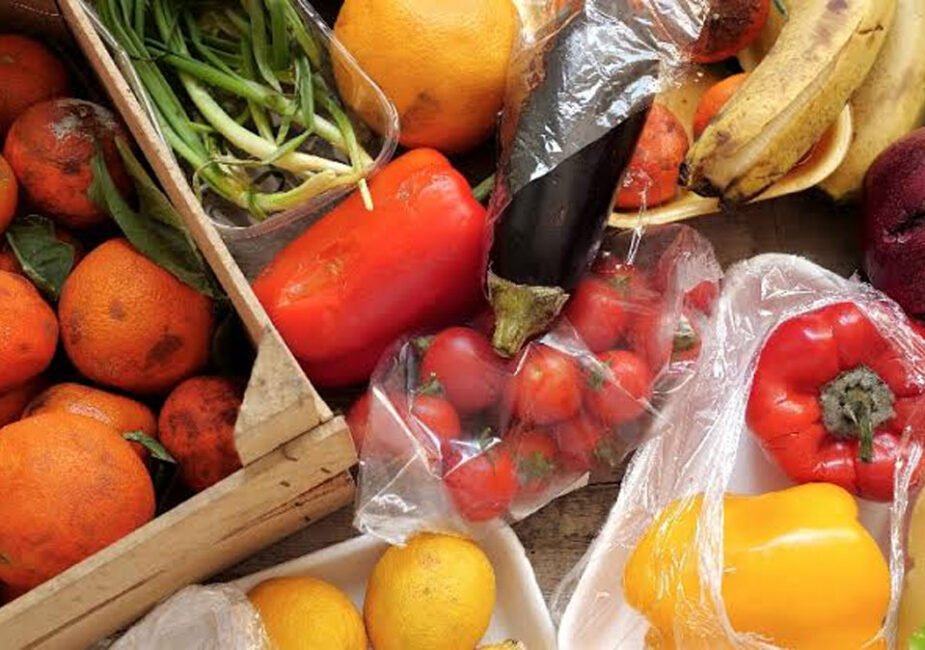
Ordering groceries online has become part of everyday life for many households. It saves time, helps busy families stay organised, and makes it easier to access fresh produce without making another trip to the shops. However, all those conveniences disappear if food arrives spoiled, damaged, or no longer safe to eat.
Whether you’re a customer waiting for a weekly grocery order or a business delivering fresh products, the journey from one location to another matters. Using reliable refrigerated couriers is one of the most effective ways to protect temperature-sensitive food, but there are also several practical steps that can help reduce waste before, during, and after delivery.
Understand Which Foods Need Extra Care
Not all groceries are equally sensitive to temperature changes. Fresh meat, seafood, dairy products, prepared meals, and many fruits and vegetables can deteriorate surprisingly quickly if left in warm conditions.
Foods that spend too long outside their recommended temperature range can:
- Lose freshness and flavour
- Develop harmful bacteria
- Have a shorter shelf life
- End up being thrown away
Knowing which products require careful handling allows both retailers and customers to make better decisions about storage and delivery timing.
Choose Delivery Times Wisely
One of the simplest ways to prevent food waste is selecting a delivery window when someone will actually be home.
If groceries are left on a doorstep for hours in direct sunlight or hot weather, even insulated packaging has its limits. Whenever possible:
- Schedule deliveries during cooler parts of the day
- Avoid long periods when nobody will be home
- Bring groceries inside as soon as they arrive
A few minutes can make a significant difference for chilled and frozen products.
Pack Temperature-Sensitive Items Properly
Businesses that sell fresh food should never treat packaging as an afterthought.
Quality insulated containers, ice packs, and properly separated products help maintain safe temperatures throughout the journey. Raw meat should always be packed separately from ready-to-eat foods to minimise the risk of cross-contamination.
Strong packaging also reduces the chance of crushed fruit, broken eggs, or leaking containers, all of which contribute to unnecessary waste.
Plan Your Grocery Order
Many people accidentally waste food because they order more than they realistically need.
Before placing an order:
- Check what’s already in your fridge and pantry
- Plan meals for the coming week
- Buy highly perishable items in sensible quantities
- Freeze products you won’t use immediately
A little planning often saves far more money than bulk buying items that end up in the bin.
Store Groceries Immediately
Once your delivery arrives, don’t leave bags sitting on the kitchen bench while you unpack everything else.
Instead:
- Put frozen food straight into the freezer.
- Refrigerate dairy, meat, and seafood first.
- Store fruit and vegetables according to their individual needs.
- Organise older food towards the front so it’s used before newer purchases.
The faster food reaches the correct storage temperature, the longer it generally stays fresh.
Pay Attention to Packaging Condition
Before putting groceries away, take a quick look through the delivery.
Check for:
- Damaged packaging
- Torn vacuum seals
- Leaking containers
- Excessively warm chilled products
- Signs of thawing in frozen foods
If something doesn’t look right, contact the retailer promptly rather than assuming it will still be safe to eat.
Support Businesses That Prioritise Food Safety
Not every grocery delivery service operates to the same standards.
Businesses that invest in proper cold-chain logistics, trained staff, quality packaging, and reliable delivery systems are much more likely to deliver fresh products consistently.
While these services may sometimes cost a little more, they often save customers money by reducing spoiled food and replacement purchases.
Small Habits Make a Big Difference
Reducing food waste isn’t about making one perfect decision. It’s about combining lots of small, practical habits that protect food from the moment it’s packed until it’s served.
Choosing appropriate delivery times, storing groceries promptly, ordering only what you’ll use, and ensuring fresh products stay at safe temperatures all help reduce unnecessary waste. Whether you’re ordering for your family or running a food business, these simple steps can keep groceries fresher for longer while saving both money and perfectly good food from ending up in the rubbish.
Last modified: August 3, 2026