What Makes Propane a Clean Energy?
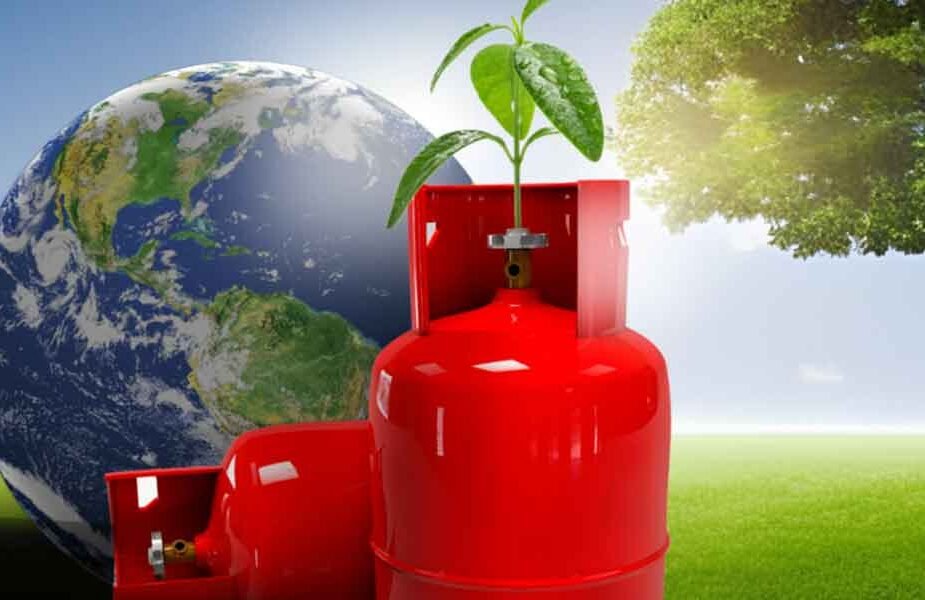
Propane can power stoves, water heaters, and generators, offering precise temperature control and faster heating. It is also a clean-burning fuel that reduces greenhouse gas emissions, and this makes it a good alternative to natural gas. When you sign up for propane delivery programs, you can maintain your household fuel supply even during high-use seasons. Here are some reasons propane is a clean energy option for your home:
Limits Greenhouse Gas Emissions
Propane is a byproduct of natural gas processing or crude oil refinement. Because it is a byproduct, there are generally fewer “upstream” emissions, such as those produced during the extraction, processing, and transmission of natural gas. Natural gas also contains methane, a highly potent greenhouse gas that traps more heat than CO2. In the event of a leak, uncombusted methane is released into the atmosphere, increasing the gas’s total lifecycle emissions. Propane is not a greenhouse gas in its unburnt state; since it does not contain methane, it quickly dissipates into the air as vapor, further minimizing atmospheric impact.
Propane may also help reduce emissions when used across various household and commercial applications. Electric appliances are reliant on traditional electrical grids, which are often powered by coal or natural gas. Propane-powered appliances are not dependent on this energy, so less nitrogen dioxide and sulfur dioxide result from their lifetime of use. Propane can also replace natural gas fuel in irrigation engines and lawnmowers, helping improve outdoor air quality.
Improves Energy Efficiency
Propane offers homeowners an efficient energy source. Propane has a higher density than natural gas, so it can produce more heat with less fuel. It also heats appliances more quickly, which is beneficial when using water or space heaters. Some propane appliances and their benefits include:
- Furnaces: A propane furnace can heat air to 115-125°F and operate at 98% efficiency. This enables the furnace to heat your indoor air and maintain a consistent temperature more easily than electric systems.
- Water heaters: Propane systems heat water quickly, which is beneficial in high-use households or businesses.
- Fireplaces: Propane fireplaces offer 90% efficiency, compared to wood-burning fireplaces, which operate at 15%. With propane, most of the heat is directed into your home rather than up the chimney.
- Clothes dryer: With a higher heat capacity, propane dryers may shorten cycle times and use less energy than electric options.
- Ranges and ovens: Homes using electric stoves and ovens often experience high energy demand from cooking appliances; switching to a propane oven helps reduce the load on the electric grid, improving efficiency.
Many propane providers offer various delivery options, which help verify that your propane tank remains full. With courtesy fill options, propane delivery is automatic; companies track your propane usage and send deliveries when your tank reaches 20% capacity. This is beneficial for households that rely on propane, as it makes sure you won’t run out during daily tasks. Will-call programs require you to monitor your propane levels manually and schedule deliveries as needed. This option might be preferred if your propane use is seasonal, such as for pool heaters or furnaces.
Offers Renewable Options
Most propane is created as a byproduct of fuel refinement, but it can also be produced from renewable resources. Renewable propane may be made from various feedstocks, such as the camelina plant, a cover crop. Camelina seed produces high amounts of oil, and the remaining meal is approved for chicken and cow feed. This provides farmers with a waste-free option for enriching the soil and preventing erosion.
Renewable propane may also be produced from animal fats and recycled cooking oils. These are processed to create bio-diesel, and they have the same properties as conventional propane. This means it can be used for the same applications, including powering buses, grain dryers, and generators. Homes and businesses are able to adopt this renewable energy source without upgrading or replacing equipment.
Conventional propane already offers a lower carbon footprint, but renewable options can further reduce lifecycle carbon emissions. Since renewable propane is produced with agricultural products and waste oils, additional resource extraction is not necessary. This supports clean energy goals while maintaining reliable performance and energy efficiency.
Schedule Propane Delivery
Propane delivery services verify that your home or business has a consistent and safe fuel supply, whether you’re heating your home or powering agricultural equipment. Flexible payment options make it easy to budget your fuel costs. Capped price programs lock in your fuel price at the beginning of the season, so your costs don’t fluctuate from delivery to delivery. You can also prepay by the gallon or as you go with market-rate options. Contact a propane delivery service today to learn more.
Last modified: January 14, 2026