How do HVAC Contractors Improve Comfort in Multi-Level Homes?
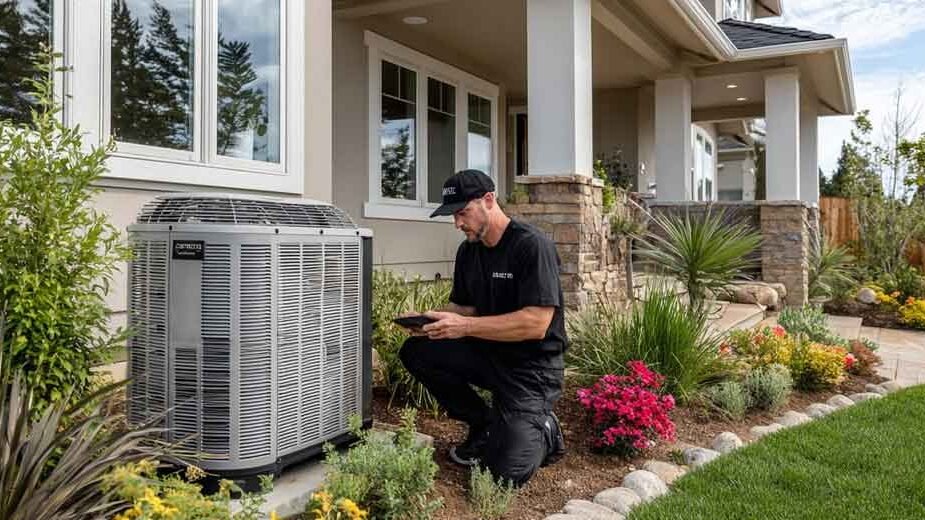
Comfort challenges in multi-level homes often differ from those in single-story spaces, notes Baytown Management. Heat rises, cooler air settles, and airflow patterns shift as air moves between floors, making maintaining temperature balance difficult. Homeowners may notice that one level feels too warm while another remains noticeably cooler, even when the system runs continuously. HVAC contractors play an important role in resolving these challenges by evaluating how air moves throughout the entire structure rather than focusing on a single area. Their approach helps create more consistent indoor conditions across floors, supporting comfort, efficiency, and reliable system operation in multi-level homes.
Balancing Comfort Across Floors
- Understanding Temperature Imbalances in Vertical Spaces
Temperature differences between floors are a common concern in multi-level homes, and HVAC contractors typically begin by identifying the root cause. Warm air naturally rises, which can cause upper floors to feel warmer while lower levels remain cooler, especially during heating seasons. During cooling periods, the reverse effect may appear, with cooled air settling on lower floors. Contractors evaluate duct layouts, return air placement, and insulation quality to understand how air circulates vertically. They also consider factors such as sun exposure, ceiling height, and room usage. By understanding these influences, contractors can recommend adjustments to distribute conditioned air more evenly, reducing discomfort from persistent temperature differences between floors.
- System Design Adjustments for Improved Distribution
Improving comfort in multi-level homes often requires thoughtful adjustments to the system design rather than replacing equipment alone. HVAC contractors may modify duct configurations, adjust damper settings, or recommend zoning solutions to ensure each level receives appropriate airflow. These adjustments help prevent one floor from dominating system output while others struggle to maintain comfort. Contractors often explain these improvements during consultations, encouraging homeowners to learn more about our company and the methods used to support balanced indoor conditions. By aligning system operation with the home’s structure, contractors help ensure each level receives consistent heating and cooling without overloading the system.
- Zoning Strategies and Control Flexibility
Zoning plays a significant role in improving comfort across multiple levels by allowing different areas of the home to operate independently. HVAC contractors design zoning strategies that divide the house into sections based on floor level, usage patterns, or exposure to external heat. Separate thermostats for each zone allow the system to respond more accurately to temperature needs rather than applying a single setting throughout the home. This flexibility reduces situations where one level feels uncomfortable because the settings are intended for another. Contractors also ensure zoning components work together smoothly, preventing airflow restrictions or pressure issues that could affect system performance while supporting steady comfort throughout the home.
- Airflow Optimization and Duct Performance
Duct performance significantly influences comfort in multi-level homes, as air must travel farther and change direction more frequently. HVAC contractors inspect ducts for leaks, restrictions, or poor insulation that can reduce airflow before it reaches upper or lower levels. Sealing leaks and improving insulation helps preserve conditioned air as it moves through the system. Contractors may also rebalance airflow by adjusting registers and returns to ensure each level receives an appropriate share of conditioned air. These improvements reduce the strain on equipment while improving comfort consistency, allowing the system to maintain stable temperatures without excessive runtime or uneven distribution.
- Adapting to Seasonal and Lifestyle Changes
Comfort needs in multi-level homes often change with the seasons and household routines. HVAC contractors support adaptability by adjusting system settings and airflow patterns to match these changes. For example, upper floors may require different cooling strategies during summer afternoons compared to winter mornings. Contractors help homeowners understand how to adjust thermostats and system controls to maintain comfort as conditions shift. They also account for lifestyle changes such as remote work or altered occupancy patterns, ensuring comfort remains balanced throughout the home. This adaptability helps maintain a comfortable living environment without unnecessary energy use or strain on the system.
Improving comfort in multi-level homes requires a comprehensive approach that considers airflow, system design, and how different floors interact. HVAC contractors address temperature imbalances through careful evaluation, system adjustments, zoning strategies, and airflow optimization. Their work helps ensure each level receives appropriate heating and cooling without overburdening the system. By adapting solutions to seasonal changes and household needs, contractors support consistent indoor comfort throughout the home. This thoughtful approach transforms multi-level living spaces into environments where comfort feels balanced, reliable, and sustainable across every floor.
Last modified: January 7, 2026