Common Residential Projects Handled by Concrete Contractors
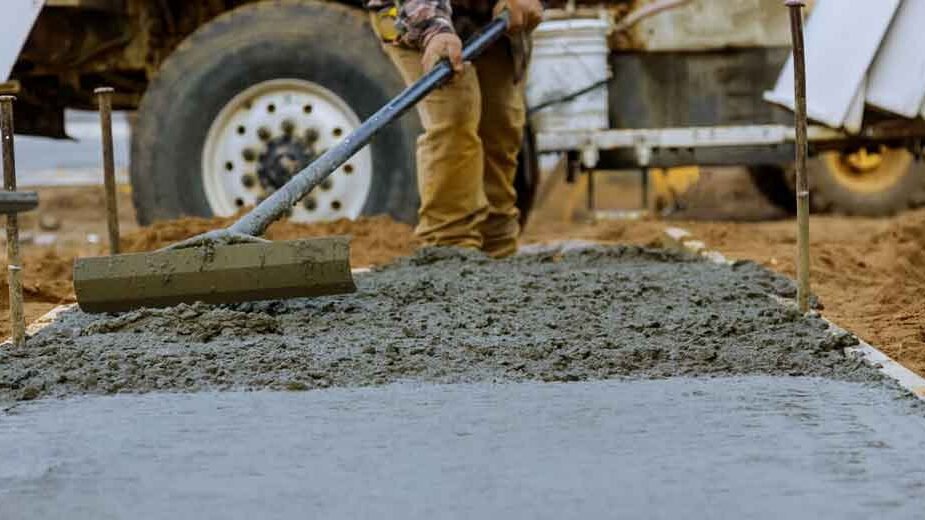
Concrete plays a central role in residential construction, shaping the surfaces and structures that homeowners rely on every day. From the ground beneath a house to the spaces used for parking, walking, and outdoor living, concrete supports both function and durability. Residential concrete contractors translate design ideas into solid, long-lasting features that withstand weather, weight, and time. Their work affects safety, comfort, and property value, often forming the base upon which other elements are built. Understanding the common residential projects handled by concrete contractors offers insight into how these professionals contribute to everyday living environments and long-term home performance.
Residential Concrete Applications Explained
- Foundations and Structural Base Work
One of the most important residential projects handled by concrete contractors is foundation construction. Foundations support the entire weight of a home and transfer loads safely into the ground. Contractors prepare the site by evaluating soil conditions, grading the area, and installing formwork to precise dimensions. Reinforcement, such as steel bars, is placed to enhance strength and crack resistance. Proper curing ensures the foundation develops the durability needed to support walls, floors, and roofing systems. In some projects involving a concrete precast contractor at Warrior Precast LLC, prefabricated concrete elements may also be incorporated to improve consistency and efficiency. Foundation work requires careful planning, as errors at this stage can affect the entire structure.
- Driveways and Vehicle Access Surfaces
Residential driveways are another common project where concrete contractors play a key role. Driveways must support vehicle loads while resisting cracking from temperature changes and ground movement. Contractors design driveways with appropriate thickness, reinforcement, and slope to ensure proper drainage. Surface finishing techniques also influence traction and appearance. A well-constructed driveway enhances curb appeal while providing reliable access to the home. Contractors consider factors such as vehicle usage patterns and local climate when planning these projects. Over time, a properly installed concrete driveway reduces maintenance needs and improves daily convenience for homeowners.
- Sidewalks and Walkways Around the Home
Concrete sidewalks and walkways guide movement around residential properties, connecting entrances, driveways, and outdoor areas. Contractors design these pathways to be smooth, level, and slip-resistant to support safe foot traffic. Proper grading prevents water pooling and reduces erosion near the home’s foundation. Walkways must also account for thermal expansion and contraction, which contractors manage by placing joints. These details help prevent cracking and uneven surfaces. Well-planned sidewalks enhance accessibility and visual coherence across the property, making them an essential component of residential concrete projects.
- Patios and Outdoor Living Spaces
Concrete patios create versatile outdoor areas for relaxation and gatherings. Contractors work with homeowners to design patios that complement the home’s layout and landscape. Surface finishes can be adjusted to suit aesthetic preferences while maintaining durability. Patios must be properly supported to avoid settling and cracking over time. Drainage considerations are especially important to prevent water accumulation. By managing these factors, contractors help homeowners enjoy outdoor spaces that remain functional through changing seasons. Concrete patios often serve as long-term extensions of indoor living areas.
- Garage Floors and Utility Slabs
Garage floors and utility slabs support vehicles, equipment, and storage while enduring heavy use. Concrete contractors ensure these surfaces are reinforced and leveled to handle consistent loads. Surface treatments may be applied to improve resistance to stains and moisture. Proper curing and finishing help prevent surface dusting and cracking. Utility slabs for sheds or workshops follow similar principles, providing stable bases for additional structures. These projects contribute to the overall usability of residential properties by supporting everyday activities.
- Retaining Walls and Landscape Support Structures
In residential landscapes, concrete retaining walls help manage elevation changes and prevent soil erosion. Contractors assess load requirements and drainage needs to ensure wall stability. Reinforcement and proper footing design are essential for long-term performance. Retaining walls often serve both functional and aesthetic purposes, shaping outdoor spaces while supporting plantings and hardscape features. These structures protect property boundaries and maintain landscape integrity, especially on sloped terrain.
Concrete contractors handle a wide range of residential projects that shape how homes function and endure over time. From foundations and driveways to patios and walkways, their work supports safety, accessibility, and long-term durability. Each project requires planning, precision, and an understanding of how concrete behaves under different conditions. By addressing structural needs and daily use demands, contractors help create residential environments that remain reliable and practical. Understanding these common projects highlights the essential role concrete contractors play in building and maintaining homes that stand strong for years to come.
Last modified: December 30, 2025