Why Tempered Glass Top for Dining Table Is A Smart Choice?
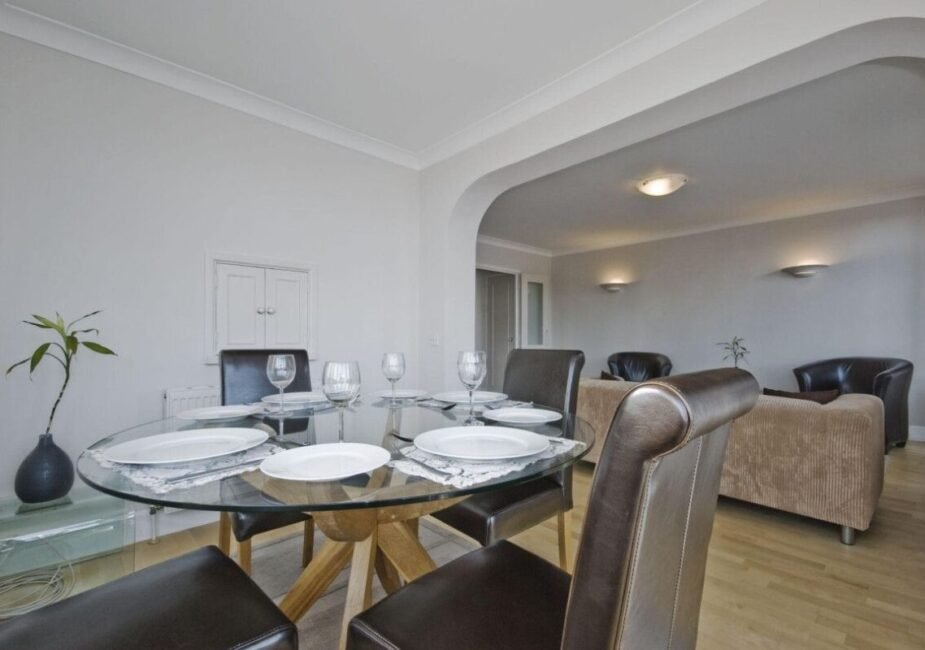
Tempered glass for dining table applications has become one of the most popular choices in modern and traditional interiors alike. Homeowners, interior designers, and furniture manufacturers increasingly prefer tempered glass top for dining table because of its exceptional strength, safety features, and elegant appearance. Unlike ordinary glass, tempered glass is specially heat-treated to withstand daily wear, temperature changes, and accidental impacts. In dining spaces where meals, gatherings, and conversations happen every day, choosing the right tabletop material is essential. Tempered safety glass for dining tabletop use offers a refined look while providing peace of mind through durability and resistance to breakage. Whether you want a sleek contemporary dining table or a classic design with a glass top, tempered glass delivers both functionality and visual appeal. In this detailed article, we will explore everything you need to know about using safety glass for dining table designs, including benefits, thickness options, styles, maintenance, installation considerations, and why it remains a smart long-term investment.
What Is Tempered Glass Dining Table Top Use?
Tempered glass dining table top is a type of safety glass that undergoes a controlled thermal or chemical treatment process. This process increases the strength of the glass up to four to five times compared to standard annealed glass. When tempered glass tops for dining table breaks, it shatters into small, blunt-edged pieces rather than sharp shards, significantly reducing the risk of injury. This safety characteristic makes tempered glass ideal for dining areas where children, guests, and frequent activity are common. Because of its enhanced durability, safety glass dining table top use is widely accepted as a premium and reliable material choice in both residential and commercial settings.
Benefits of Choosing Safety Glass for Dining Tabletops
One of the biggest advantages of toughened glass dining table top surfaces is its superior strength. It can easily support heavy dishes, cookware, and decorative centerpieces without cracking. Another major benefit is safety, as shatter-proof glass minimizes the risk of serious injury if breakage occurs. Heat-treated glass for dining tabletop designs is also highly resistant to heat, making it suitable for hot serving dishes and temperature variations. Additionally, glass tabletops create an open and airy feel, making dining rooms appear larger and brighter. The smooth surface of tempered glass for dining table use is easy to clean, stain-resistant, and hygienic, which is especially important for dining environments.
Thickness Options for Toughened Glass Top for Dining Tables
Selecting the right thickness is crucial when choosing glass for dining table top. Common thickness options include 8mm, 10mm, 12mm, and 15mm. An 8mm glass dining table top is suitable for smaller tables or those with strong underlying support. A 10mm thickness offers a balance between strength and elegance, making it a popular choice for standard dining tables. For larger tables or heavy-use environments, 12mm or 15mm tempered glass for dining table tops provides maximum durability and a luxurious feel. The right thickness depends on table size, base design, weight distribution, and intended usage.
Design Styles Using Glass for Dining Table
Tempered glass dining table top complements a wide range of interior styles. In modern homes, clear glass paired with metal or chrome bases creates a sleek, minimalist look. Frosted or tinted glass for dining table tops adds privacy and a soft aesthetic to contemporary spaces. For classic or rustic interiors, toughened glass can be combined with wooden bases to highlight craftsmanship while protecting the wood underneath. Custom-shaped tempered glass for dining table use, such as round, oval, square, or rectangular tops, allows homeowners to personalize their dining area while maintaining durability and safety.
Why Tempered Glass Is Safer Than Regular Glass for Dining Tables
Safety is a key reason why tempered glass dining table top use is strongly recommended over regular glass. Standard glass can break into large, sharp pieces that pose serious injury risks. In contrast, safety glass is engineered to crumble into small, pebble-like fragments. This safety feature is especially important in dining areas where chairs move frequently and accidental impacts can occur. Tempered glass for dining table tops also resists edge chipping and surface scratches better than untreated glass, making it a safer and more reliable option for everyday use.
Installation of Tempered Glass Top for Dining Tables
Proper installation plays an important role in the performance of tempered glass for dining table tops. The table base must be strong, level, and capable of evenly supporting the weight of the glass. Rubber pads or spacers are commonly used between the base and the tempered glass to prevent slipping and reduce stress points. For larger tempered glass dining table tops, professional installation is often recommended to ensure safety and alignment. Correct installation not only enhances stability but also extends the lifespan of tempered glass for dining table use by minimizing the risk of uneven pressure or accidental damage.
Maintenance of Toughened Glass Dining Table Top
Maintaining a toughened glass dining table top is simple and convenient. Regular cleaning with a soft cloth and mild glass cleaner keeps the surface sparkling and free from smudges. Avoid using abrasive materials or harsh chemicals, as they may damage the surface over time. One of the advantages of tempered glass for dining table use is its resistance to stains, spills, and odors, making it ideal for families and frequent entertainers. With proper care, a tempered glass dining table can maintain its clarity, strength, and beauty for many years.
Customization Options for Glass Dining Table Top
Customization is another reason why safety glass for dining table furniture is highly desirable. You can choose from clear, frosted, tinted, or colored glass to match your interior décor. Edge finishes such as flat polished, beveled, or pencil edges enhance both safety and aesthetics. Custom cut tempered glass for dining table tops ensures a perfect fit for your table base. You can also select different shapes, thicknesses, and corner styles to suit your specific needs, making heat-treated glass a versatile and adaptable material choice.
Conclusion
Tempered glass top for dining table offers an exceptional combination of strength, safety, and timeless elegance. From superior durability and heat resistance to easy maintenance, installation reliability, and customizable design options, tempered glass stands out as an ideal material for dining table tops. Whether you prefer a modern, classic, or custom look, tempered glass for dining table furniture adapts seamlessly to your style and functional needs. By choosing tempered glass, you invest in a dining table surface that enhances your space, ensures safety, and delivers long-lasting performance. For homeowners seeking reliability and sophistication, tempered glass for dining table applications remains a smart and stylish choice.
Last modified: March 15, 2026