Why Access to Advanced Diagnostic Tools Matters in Healthcare
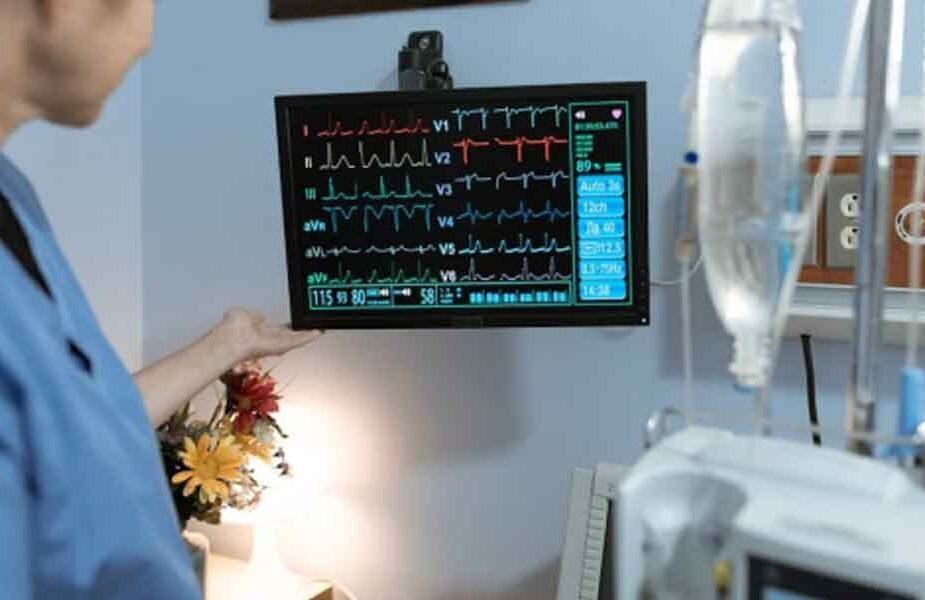
Healthcare, at its core, is really about figuring things out. What’s wrong? Why is it happening? And what can actually be done about it? Those questions sound simple, but honestly… they’re often not. The human body is complicated. Very complicated.
Symptoms can be confusing. A headache might mean stress. Or dehydration. Doctors are trained to evaluate these things, of course. But even the most experienced physician still needs good information to work with.
That’s where diagnostic tools come in.
Over the past few decades, healthcare has been shaped—really shaped—by improvements in diagnostic technology. MRI scanners, CT imaging, molecular labs, high-resolution ultrasounds… these tools allow conditions to be seen earlier and more clearly than ever before.
And when the right tools are available, things tend to move faster. Diagnoses are made sooner. Treatments get started earlier. Patients feel less uncertain.
But here’s the uncomfortable truth: access to these tools is not equal everywhere. Some hospitals have everything they need. Others… well, they don’t.
Early Detection Changes Everything
A lot of diseases develop quietly. Almost sneaky, honestly.
Cancer, neurological conditions, cardiovascular disease—these things usually don’t show up loudly at first. Sometimes symptoms are mild. Sometimes they’re barely noticed. A patient might feel tired for weeks and just assume it’s normal life stress.
But inside the body, changes might already be happening.
Advanced imaging technologies make it possible for those changes to be detected much earlier. And that’s a big deal. Really big.
MRI imaging, for example, allows incredibly detailed views of soft tissues. Small tumors, nerve damage, spinal problems—these can be identified in ways that simply weren’t possible years ago. Earlier detection leads to earlier treatment. And earlier treatment, most of the time, improves outcomes.
But purchasing these machines can be very expensive for healthcare providers. In many cases, hospitals choose to lease MRI equipment so that advanced imaging can still be offered without an overwhelming upfront investment.
And honestly, that kind of flexibility has helped a lot of facilities expand diagnostic services.
Time Matters More Than People Realize
Sometimes people think diagnosis is just step one of healthcare. But it’s actually a really critical step.
When someone arrives at a hospital with stroke symptoms, imaging must be performed immediately. Minutes matter. Not hours. Not days.
Brain scans are used to determine what kind of stroke is occurring and whether certain treatments are safe. Without that information, doctors are basically stuck waiting.
And waiting can cost brain function.
But this isn’t only about emergencies. Chronic illnesses also rely heavily on imaging and diagnostics.
Patients with multiple sclerosis, for instance, often undergo repeated MRI scans over time. The progression of the disease is monitored through those images. Treatment plans are adjusted based on what doctors see.
If those tools are not available nearby, patients may be forced to travel far distances just for routine scans. And that adds stress. A lot of it.
Doctors Need Clearer Pictures
Medicine is often portrayed like detective work. And honestly… that’s not entirely wrong.
Doctors collect clues. They listen to symptoms. They run tests. They review imaging. Eventually a diagnosis is formed.
But without strong diagnostic tools, that process becomes harder. Much harder.
High-resolution imaging provides a level of clarity that physical exams alone cannot offer. Internal bleeding, tumors, nerve compression, organ abnormalities—these things are visualized in ways that leave less room for guessing.
And misdiagnosis, unfortunately, still happens in healthcare. But the risk can be reduced when better information is available.
It’s not that technology replaces doctors. Not at all. But it helps them see what’s really happening.
And that’s incredibly valuable.
Patients Feel the Difference Too
Patients notice things. Maybe more than healthcare providers realize.
When someone walks into a medical facility and learns that imaging, lab testing, and specialists are all available in one place, confidence tends to increase. The system feels prepared. Organized. Capable.
But when patients are told they must schedule imaging somewhere else—maybe days later—it can feel frustrating.
And anxiety grows during those waiting periods.
People want answers. That’s just human nature.
Advanced diagnostic tools help reduce those delays. Results can be reviewed sooner. Conversations about treatment can happen faster. And patients often feel more reassured knowing the investigation is moving forward.
Research Depends on Diagnostics Too
Another piece that doesn’t always get enough attention is research.
Medical research is driven heavily by data. Imaging data. Lab data. Genetic data. Huge amounts of it.
Researchers study scans over time to understand how diseases evolve. Brain imaging, for example, has been essential in studying Alzheimer’s disease. Small structural changes in the brain can be observed years before severe symptoms appear.
And that knowledge helps scientists develop treatments.
Without advanced diagnostic tools, many of those insights simply wouldn’t exist. Progress would slow down. A lot.
So these machines aren’t only helping today’s patients—they’re helping tomorrow’s patients too.
Access Gaps Still Exist
Not every healthcare system has equal resources. That’s just the reality.
Urban medical centers tend to have more funding. Rural hospitals sometimes operate with tighter budgets and smaller staff. Infrastructure differences also play a role.
Because of that, some communities have excellent access to advanced diagnostics. Others… not so much.
Patients in underserved areas might travel hours just to receive an MRI scan or CT imaging. And that creates delays. Sometimes long ones.
Efforts have been made to improve this situation. Equipment leasing, mobile imaging units, and regional diagnostic partnerships are becoming more common.
And honestly, those solutions are really helping.
Healthcare Keeps Evolving
Technology never stands still. Especially in medicine.
Diagnostic tools are becoming faster. More precise. And sometimes even supported by artificial intelligence that helps analyze images.
But the goal remains the same.
Doctors need clear information. Patients need timely answers. And healthcare systems need reliable ways to detect disease early.
Access to advanced diagnostic tools makes all of that possible.
And when access improves—even just a little—patient care usually improves too. Sometimes dramatically.
It may not be the most glamorous part of healthcare. Diagnostics rarely get the spotlight.
But they quietly sit at the center of everything.
Last modified: March 13, 2026