What Makes a Home Low-Maintenance vs High-Maintenance
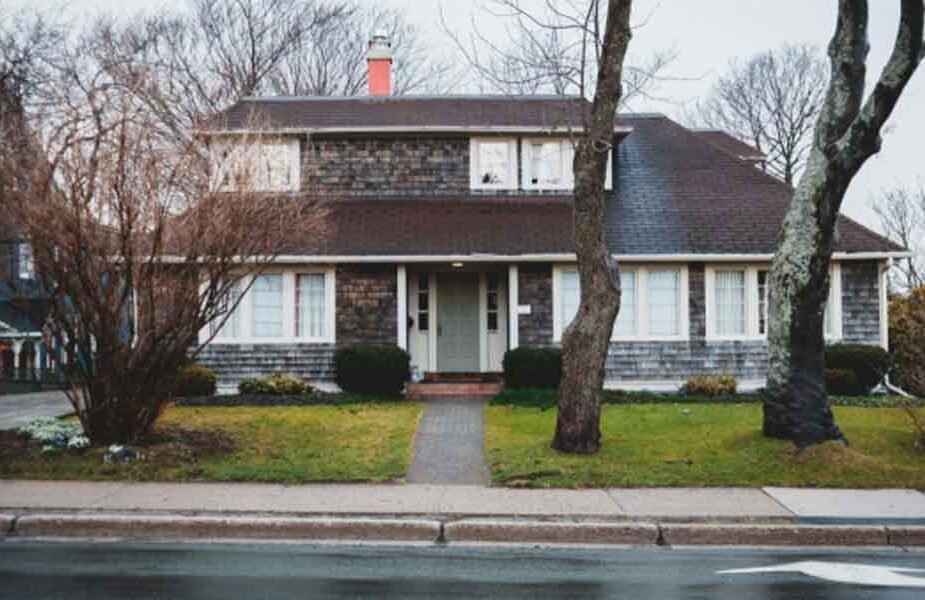
Have you ever looked around your home on a weekend and wondered why there is always something that needs fixing, cleaning, or replacing? Many homeowners feel like the work never ends, while others seem to enjoy homes that rarely demand attention.
The difference usually comes down to maintenance and planning decisions made over time. Some homes are built and designed to be low-maintenance, while others naturally require much more time, money, and effort to keep in good shape. Understanding what separates the two can help you make smarter choices as a homeowner and avoid frustration later.
Exterior Materials and Their Upkeep Requirements
The outside of your home plays a major role in maintenance levels. Siding materials vary widely in how often they need attention and how they respond to weather. Vinyl siding is popular because it does not need painting and is easy to clean. Fiber cement is also durable and resists pests and moisture, though it may need repainting after many years of exposure.
Wood siding, while attractive, often requires regular painting or sealing to prevent damage. Brick and stone tend to be low-maintenance but may need occasional mortar repairs. A home with materials that resist weather and wear will demand far less time than one made with surfaces that break down quickly and show aging sooner.
Roofing Choices and Ongoing Maintenance Needs
One of the biggest factors that affects how much upkeep a home needs is the roof. The roof protects everything underneath it, and when it requires frequent repairs, the entire home feels harder to manage. Different types of roofs have very different maintenance needs, and many homeowners do not realize this until years later, often after dealing with repeated repairs.
Some roofing materials are built to last longer with fewer problems. Others may look nice but need regular inspections, repairs, or cleaning to stay functional. The slope of the roof also matters. Steeper roofs often shed water better but can be harder to inspect, while flatter roofs may need more frequent attention to prevent leaks and water buildup. Choosing a roof that fits your climate and lifestyle can make a big difference in how much ongoing care your home needs over time.
Landscaping and Outdoor Design Choices
Yard design has a bigger impact on maintenance than many people expect. Large lawns need frequent mowing, watering, fertilizing, and seasonal care. Trees close to the house can clog gutters and increase debris buildup on the roof, especially during storms or windy seasons. Flower beds with high-maintenance plants also require constant attention.
Low-maintenance homes often feature simple landscaping, drought-tolerant plants, and clear space around the house. This does not mean giving up curb appeal. It means choosing outdoor designs that look good without needing weekly effort or expensive upkeep.
Windows, Doors, and Trim Maintenance
Windows and doors are used daily, yet they are often overlooked when it comes to maintenance planning. Older windows or poorly sealed frames can lead to drafts, moisture issues, and frequent repairs that add up over time. Wood frames and trim may need repainting and can rot if water gets inside.
Homes with vinyl or aluminum window frames typically require less care. Quality installation also matters more than many homeowners realize. Well-installed windows and doors reduce air leaks, improve comfort, and prevent water damage, which lowers long-term maintenance needs.
Drainage, Gutters, and Water Control
Water is one of the biggest causes of home maintenance problems. Poor drainage can lead to foundation issues, roof leaks, and exterior damage that is costly to fix. Homes that require constant gutter cleaning or have water pooling near the foundation tend to be higher maintenance and more stressful to manage.
Low-maintenance homes usually have properly sloped yards, well-placed downspouts, and gutters designed to handle heavy rain. Simple features like gutter guards can also reduce how often you need to clean them. Managing water correctly saves time, prevents damage, and protects the structure of the home.
Interior Features That Affect Maintenance
The inside of your home also plays a role in how much upkeep it needs. Flooring choices are a good example. Carpet can stain easily and often needs deep cleaning or replacement. Hardwood floors look great, but may need refinishing after years of wear.
Tile and vinyl flooring are usually easier to clean and resist moisture better, especially in kitchens and bathrooms, where spills happen often. Countertops, cabinets, and fixtures also vary in durability. Choosing materials that handle daily use without damage makes the home easier to maintain year after year.
Age of the Home and Construction Quality
Older homes often require more maintenance, but age alone is not the only factor. Construction quality matters just as much. A well-built older home may need less upkeep than a poorly built newer one. Outdated wiring, plumbing, or insulation can increase repair needs if not updated.
Low-maintenance homes tend to have modern systems that meet current standards. They also benefit from quality workmanship that prevents small issues from turning into larger problems that disrupt daily life.
Climate and Location Factors
Where your home is located has a strong influence on maintenance demands. Homes in areas with extreme heat, heavy rain, or strong storms often face more wear and tear. Sun exposure can fade materials, while moisture can cause mold or rot if not addressed properly.
Low-maintenance homes are designed with the local climate in mind. Materials that perform well in the region reduce the need for constant repairs. Planning for weather conditions helps homeowners avoid surprises and costly fixes.
Budgeting and Maintenance Planning
Maintenance is easier when it is planned instead of rushed. High-maintenance homes often come with surprise repairs that strain budgets and schedules. Low-maintenance homes still need care, but the work is more predictable and easier to manage.
Regular inspections, small fixes, and basic upkeep help prevent larger issues. Homeowners who plan ahead usually spend less time and money over the long term. Maintenance becomes part of a routine instead of a constant problem.
In the end, no home is completely maintenance-free, but some homes clearly require less effort than others. The difference often comes down to choices made early on, from roofing and exterior materials to landscaping and interior finishes.
By understanding what makes a home low-maintenance versus high-maintenance, homeowners can make decisions that save time, reduce stress, and protect their investment for years to come.
Last modified: February 2, 2026