Understanding the Value and Longevity of a Wood Fence
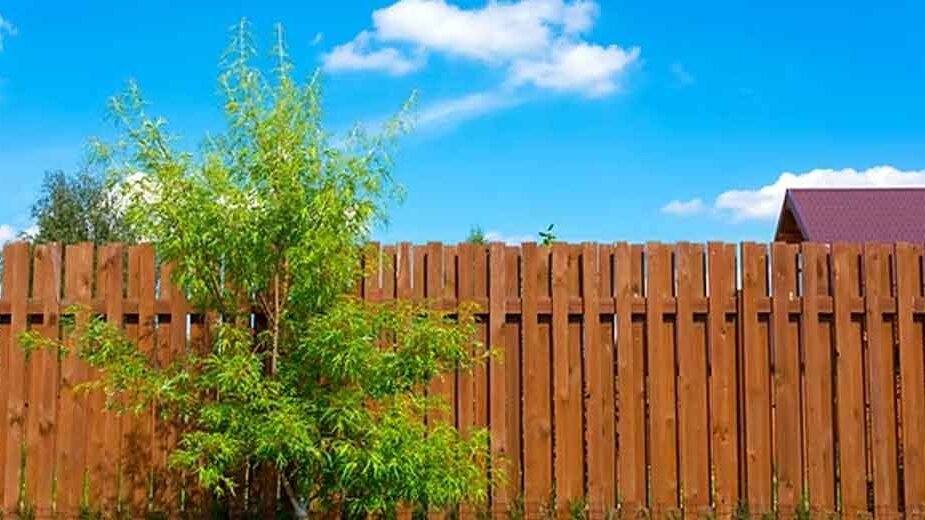
A wood fence remains a timeless choice for property owners seeking a balance of privacy, structure, and natural appearance. Its ability to adapt to different landscapes, architectural styles, and functional needs has kept it relevant across generations. Beyond defining boundaries, a wood fence shapes how a property feels and functions every day. From offering separation and quiet to shaping outdoor spaces, its impact extends far beyond simple enclosure. When designed, installed, and maintained with care, a wood fence can serve as a long-term feature that supports both practicality and visual harmony while adapting to evolving needs, notes PMI Prime Property Management company.
How Wood Fences Shape Outdoor Spaces
A wood fence does more than outline property lines; it actively shapes how outdoor areas are used and experienced. By creating defined zones, fencing helps homeowners organize yards into functional spaces such as gardens, play areas, or quiet retreats. The height, spacing, and layout of fence panels influence light flow, wind movement, and sightlines, which can affect how comfortable an outdoor area feels throughout the day. In residential neighborhoods, thoughtful fence placement can reduce visual clutter while maintaining a sense of openness. In some communities, homeowners choose to get your quality wood fence in Salem, OR, as a way to align fencing design with local styles and environmental conditions. When planned carefully, a wood fence becomes an extension of the landscape rather than an obstacle within it.
- Materials and Construction Choices That Matter
The performance of a wood fence is closely tied to the materials selected and their assembly. Different wood types respond differently to moisture, temperature changes, and sun exposure. Construction details, such as post depth, fastener quality, and rail spacing, directly affect stability and longevity. A well-built fence accounts for natural wood movement, allowing for expansion and contraction without compromising alignment. Attention to these factors during construction helps prevent leaning, warping, and premature deterioration. Rather than focusing solely on appearance, property owners benefit from understanding how structural choices affect daily use and long-term durability.
- Maintenance as a Long-Term Strategy
Ongoing maintenance is critical to preserving the condition of a wood fence. Exposure to rain, snow, and sunlight gradually affects wood fibers, leading to discoloration or surface wear if left untreated. Regular inspections allow small issues, such as loose boards or early signs of rot to be addressed before they spread. Protective treatments, applied at appropriate intervals, help manage moisture absorption and slow surface breakdown. Maintenance is not about constant repair but about consistent attention that extends the fence’s useful life. A proactive approach reduces the likelihood of sudden failures that require extensive replacements.
- Adapting to Climate and Environment
Environmental conditions directly affect how a wood fence ages. Areas with frequent rainfall require strategies that promote drainage and airflow around posts and panels. In regions with strong sunlight, surface protection helps manage fading and drying. Soil composition also matters, as certain soils retain moisture that can affect posts below ground level. A fence designed for local conditions responds more predictably over time. Adjusting construction techniques and maintenance routines to match the environment helps ensure the fence performs reliably through seasonal changes.
- Design Flexibility and Customization
One of the defining strengths of a wood fence is its design flexibility. From solid privacy panels to spaced picket styles, wood can be configured to suit a wide range of preferences. Customization extends beyond shape and height to include finishes, post caps, and gate styles that complement surrounding structures. This flexibility allows homeowners to align fencing with personal taste without sacrificing function. Thoughtful design choices also support future modifications, such as adding extensions or integrating landscaping features. A wood fence can evolve alongside the property rather than remaining a fixed element.
- Privacy, Security, and Boundaries
Wood fencing enhances privacy and defines boundaries, shaping how people interact with their surroundings. A well-positioned fence limits unwanted views while creating a buffer from external activity. This separation supports a feeling of control over one’s space, which can be especially important in densely populated areas. Gates and access points further refine the flow of movement in and out of the property. By clearly defining boundaries, a wood fence reduces uncertainty and supports more predictable use of shared or adjacent spaces.
- The Role of Installation Precision
Proper installation is foundational to fence performance. Accurate measurements, level alignment, and secure anchoring determine how the fence responds to daily use and environmental stress. Small installation errors can lead to uneven panels or misaligned gates, which can strain components over time. Precision at this stage minimizes the need for adjustments later. Professional installation practices emphasize consistency and structural balance, ensuring that each section supports the next. When installation is handled carefully, the fence functions as a unified system rather than a collection of individual parts.
- Cost Considerations Over Time
While initial costs are important, the long-term financial impact of a wood fence depends on durability and maintenance planning. Investing in sound construction and appropriate materials reduces the frequency of repairs and replacements. Over time, this approach often proves more economical than opting for lower-quality options that require frequent attention. Viewing a wood fence as a long-term investment encourages decisions that prioritize stability and performance rather than short-term savings. Understanding cost in this broader context helps property owners plan responsibly.
- Integration With Landscaping
A wood fence complements landscaping elements to create a cohesive outdoor environment. Plants, trees, and ground cover can soften fence lines while providing additional privacy and visual interest. However, landscaping choices must account for the fence’s requirements, ensuring that vegetation does not trap moisture against the wood. Strategic spacing and plant selection support both the fence’s health and the surrounding landscape. When integrated thoughtfully, fencing and landscaping enhance each other’s effectiveness.
A wood fence remains a versatile and enduring feature that supports structure, privacy, and outdoor usability. Its value lies not only in appearance but in how well it is designed, built, and maintained over time. By understanding material selection, environmental factors, and the importance of proper installation, property owners can make informed decisions that extend the fence’s lifespan. With consistent attention and thoughtful planning, a wood fence continues to serve as a reliable boundary and a meaningful part of the property’s overall character for years to come.
Last modified: January 7, 2026