Understanding the Causes of Blood in a Dog’s Urine
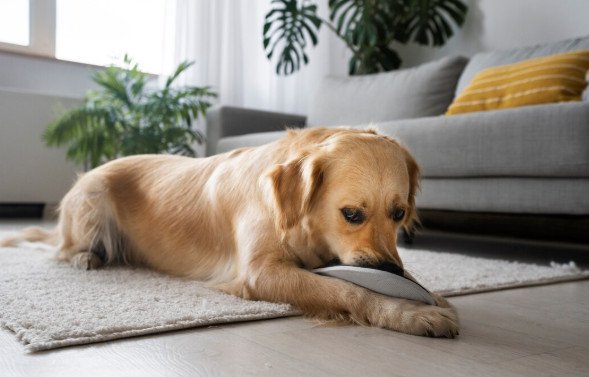
Source: Freepik.com
When you see blood in your furry friend’s urine, you become worried. Something is wrong. Blood in urine is never normal. It is a sign of some underlying health issue. Your dog is telling you something. Here are the most common causes of blood in your dog’s urine and what to do about them.
Tumors or Cancer
Tumors or cancer are scary. But it is important to know. Tumors can grow in the bladder, kidneys, and urethra. Older dogs and certain breeds are at higher risk of tumors. But any dog can get them. Blood in dog urine (狗狗血尿) is often the first sign of cancer. Sometimes, it is the only sign for weeks. The blood may come and go. You may see pink urine one day and clear the next day. You may think it passed. But reality is the opposite of this. The tumor is still there.
However, not all tumors are cancerous. Some are benign, but you must need to know about them, so you can act accordingly and take good care of your furry friend. Your vet will do tests, such as an ultrasound to see inside the bladder, X-rays to show other areas, and a biopsy to tell how the tumor is growing. After that, treatment depends on the tumor type. Surgery may remove it if caught early. Chemo can also slow some cancers. Moreover, you can use painkillers to keep your pet comfortable. But keep in mind that only early detection of tumors can save your dog’s life. So, if you see blood in its urine, do not wait and visit the vet immediately.
Urinary Tract Infections (UTIs)
UTIs are common in dogs. Bacteria get in and grow, causing severe pain and bleeding. Signs of UTIs are clear. Your dog strains to pee, and only a little comes out. They may also cry when peeing, and their urine may smell bad or look bloody.
Dogs with UTIs usually drink more water. They may also lick their private parts. In this condition, your furry friend seems tired. UTIs need urgent vet visits. They can be treated with antibiotics. Some dogs get UTIs often. They may have other issues, such as bladder stones or a weak immune system. Your vet can help you find the cause of your furry friend’s infection. This way, you can ensure their safety and take good care of them.
Bladder Stones
Minerals in urine clump. They form stones, and these stones scratch your pet’s bladder wall. They cause bleeding, severe pain, and can also block the urethra. Signs of bladder stones are the same like UTIs. This includes straining and blood in urine. But stones can cause worse pain than UTIs. Your dog may cry out and not want to move.
Blockage by bladder stones is an emergency situation. Your dog strains, and nothing comes out. They may vomit. You must visit the vet immediately to ensure the health of your furry friend. However, male dogs are more at risk of getting bladder stones, as their urethra is long, narrow, and easy to block.
Prostate Issues
Male dogs have a prostate. It sits near the bladder and can cause problems, such as infections, enlargement, and cancer. The common signs of prostate issues include blood in urine, straining, constipation, and pain in the lower back.
Older unneutered males are at the highest risk of getting prostate issues. But neutered dogs can have issues, too. Your vet will check the prostate. They will feel it and maybe do an ultrasound. Blood tests help. Treatment of prostate issues depends on their causes. Antibiotics are used to treat infections, while surgery is needed for some cancers.
Clotting Disorders
Sometimes the problem is not in the urinary tract. It is in the blood itself. Blood does not clot properly. It bleeds easily. The signs of clotting disorders include blood in urine, bruises on the skin, and bleeding from small cuts that do not stop. Also, nose bleeding and pale gums signal clotting disorders.
Moreover, some clotting disorders are inherited, while others are due to some illnesses. If your dog has sudden blood in urine plus other bleeding, this is an emergency situation. Get to the vet now.
Last modified: March 31, 2026